In a world that often equates royalty with opulence and distance, one question lingers in the air, defying expectations and bridging hearts: "What makes you laugh?" It was a question posed by Prince William during a quiet, unsung visit to a children's hospice just weeks after the birth of his firstborn, Prince George, in 2013. The Duke of Cambridge was a new father with every reason to cloister himself within the protected walls of Kensington Palace. Instead, he chose a different path—one that led him to kneel beside children who were bravely facing life's greatest challenges, bypassing complex inquiries about their health to focus instead on the simplicity and universality of joy.
A Prince Among the Children
Prince William’s gesture resonated deeply because it was genuine and understated. For the children, his presence alone was a cause for excitement. Yet here was a man whose titles and responsibilities could easily have removed him from such a scene, choosing instead to engage with them on their level. The simplicity of his query, "What makes you laugh?" served not just as an icebreaker, but as a profound connection to their shared humanity.
This question held more weight than it might appear at face value. To be asked about laughter is to be reminded of the good amidst adversity, an encouragement to find light in the darkness. William’s introspection and compassion shone through, revealing the man behind the prince. He sought to see the world from the children’s perspective, to understand what brought them joy even in their most challenging days.
A Royal Court Reflected in Compassion
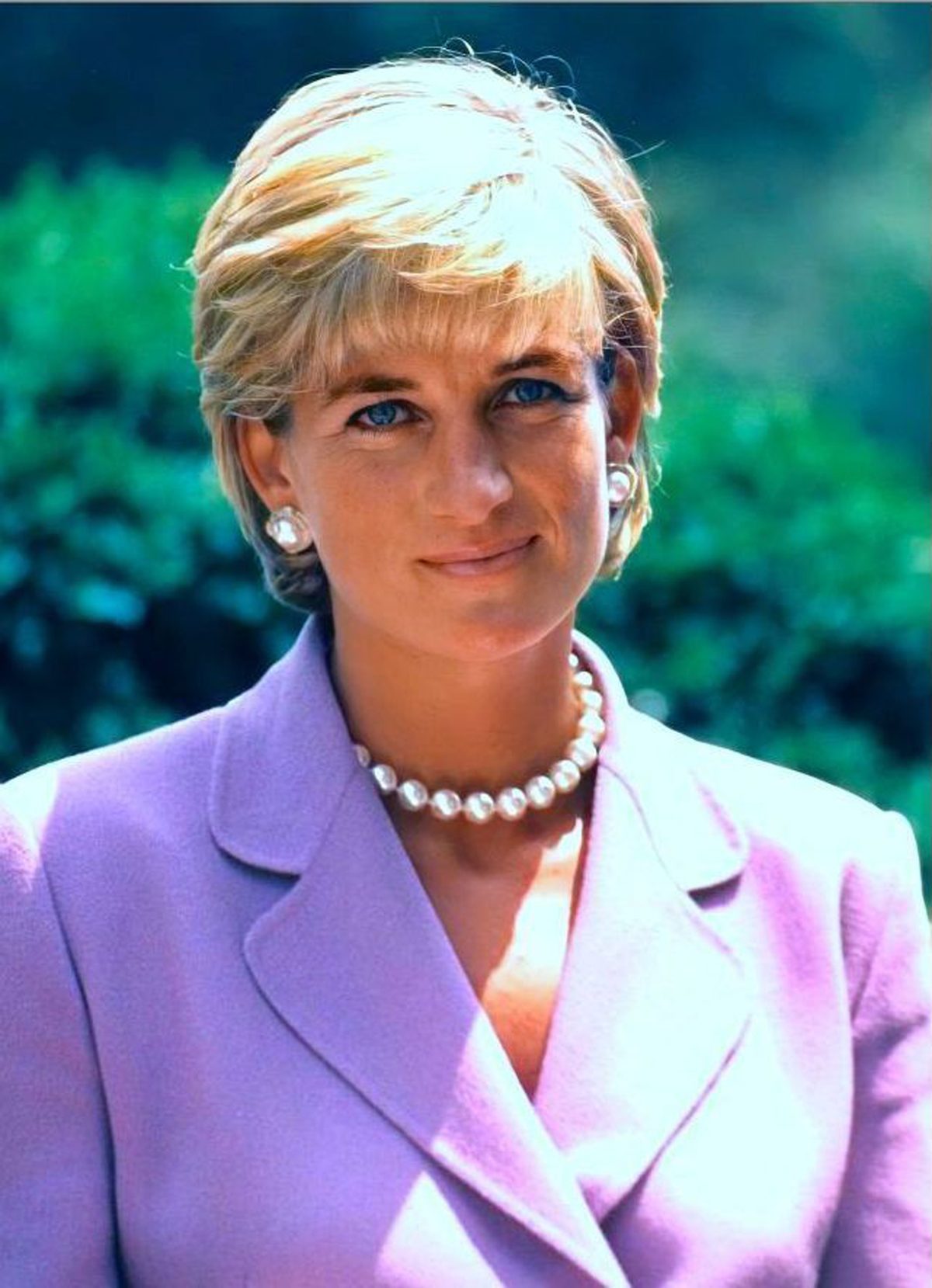
Rooted in a tradition that encourages duty and service, the British monarchy has long been interwoven with the fabric of national life. This ethos is perfectly embodied in William's approach to fatherhood and duty, echoing the timeless dedication shown by his grandmother, Her Majesty Queen Elizabeth II, and his late mother, Diana, Princess of Wales. Diana's influence, in particular, was evident in his approach. Known for her humanitarian work and her profound ability to connect with people, Diana set a new precedent for royal engagement with causes close to her heart.
While the protocols of royal life dictated a certain decorum, Diana was always able to circumvent these with her warmth and compassion. This legacy was not lost on Prince William as he delicately traversed the halls of power and prestige. The parallels were clear: a mother’s influence flowing seamlessly to her son, informing his interactions in what could often be a clinical and formal world.
The Human Story Behind the Prince
As William leaned in, hearts across the room mirrored his movement, united by his genuine warmth. Each child in the hospice, no matter how fleeting their time, was seen as an individual with unique stories and laughter. For William, the visit was not just a public engagement—it was a deep dive into understanding life from a different angle, a reminder of the diversity of human experience.
William himself was navigating fresh responsibilities. As a new parent, the experience was undoubtedly profound, fueling his ability to relate to the fears and hopes of those around him. George’s birth was a joyous occasion, celebrated by the country and the world, yet that did not eclipse William's commitment to others. Instead, it became an impetus, subtly shaping his world view and humanitarian instincts.
Osunade moments with the monarchy
Visits like William’s serve as potent reminders of the monarchy's enduring human-centric approach. Even within an institution rich in history and tradition, the royal family has shown an evolving understanding that to reign is to serve, and to serve is to connect with each generation anew. William's approach indicated how the Windsors are progressively adjusting their engagements to resonate with contemporary issues and the collective consciousness of the British public.
The magic of William's question lay in its simplicity. In asking, "What makes you laugh?" he invited the adults in the room—parents, caregivers, and hospice staff—to ponder the same. It's a universal inquiry that transcends age and status, rooted deeply in the essence of human connection and empathy. Laughter, as understood by William, was a language spoken fluently in every corner of the globe.
In Service, for a New Generation
Prince William's ability to bring light to these difficult moments is a testament to the growing importance of empathy in leadership, especially within the royal framework. He demonstrated that understanding and compassion are not just cultivated virtues, they are essential elements in fulfilling one's role as a modern royal. As history watches his journey, William shows a nuanced understanding of what it means to be a part of both history and humanity.
Fast forward to today, as challenges continue to shape the path of the royal family, the echoes of one prince’s question in a small hospice room still resonate. It’s a reminder of the lived truth of those who hold public life yet seek to serve the personal needs of each individual they meet. Each laughter discovered and each moment shared becomes a thread in the larger tapestry of the British monarchy’s ongoing story, woven with compassion and a never-ending pursuit of connection.
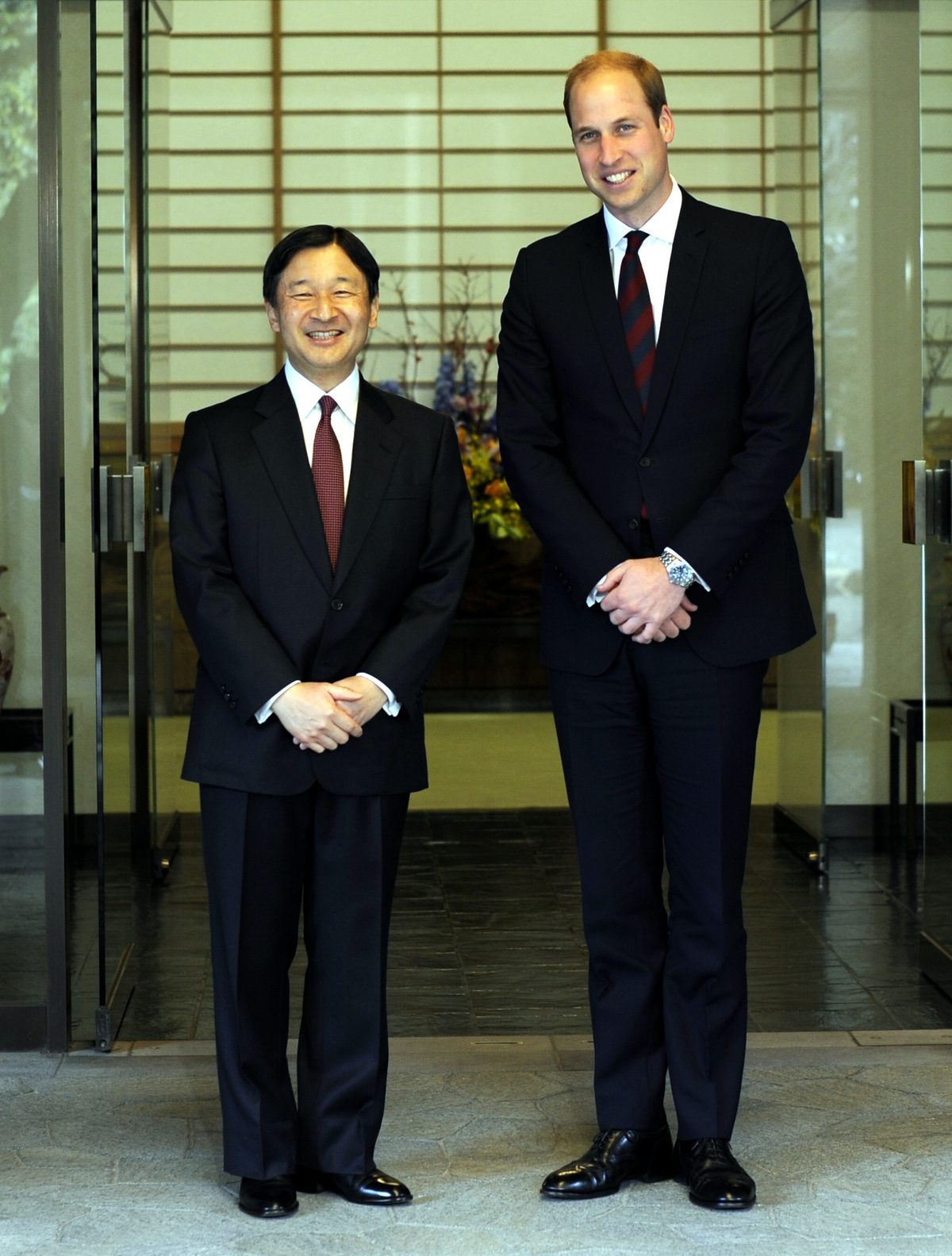
📷 Photo: British Embassy Tokyo / Alfie GoodrichUK in Japan- FCO. CC BY 2.0 via Wikimedia Commons.