She could have handed it to a nanny without a second thought. Instead, Princess Diana made a decision that quietly defied every expectation placed upon a royal mother. Every morning, she sat on the floor. She held the book herself. She turned every page. It was an extraordinary choice, yet so typical of Diana, a woman for whom motherhood was a sacred duty. In the nursery of Kensington Palace, a young prince was not an heir interacting with staff but a son sharing a cherished moment with his mother. This habit encapsulated Diana’s belief that love and closeness transcended royal protocols and were the cornerstones of a truly happy childhood.
Redefining Royal Motherhood
The life of a British royal is one of spectacle, tradition, and duty. Every action, every choice is often scrutinized under the microscopic lens of public interest and royal protocol. For centuries, royal mothers had largely operated within this framework, their nurturing roles often supported or supplanted by a seamless web of selected nannies, governesses, and attendants. The boundaries of maternity were well-defined, often distant, allowing the demands of regal responsibilities to take precedence.
Enter Diana, Princess of Wales. Her approach to motherhood was as pioneering as it was distinctively unorthodox. In an era where the King's Speech or a Queen's visit was considered paramount, Diana’s dedication to her children broke the mold. She loved fiercely and openly, her heart on display for the world to see. Sitting cross-legged on the floor with young William, Diana demonstrated her conviction: that moments of love were the true jewels in a mother’s crown.
Through scenes so human and intimate as reading on a nursery floor, Diana redefined what it meant to be a royal mother. Her approach was genuine, echoing her mantra that her sons should have as normal a childhood as possible, despite the inevitable floodlights of the public eye.
Royal Life Inside Kensington Palace
Kensington Palace, with its ancient bricks and timeless elegance, is more than just a royal residence. It is a symbol of continuity and heritage, nestled in the heart of modern London. By the mid-1980s, it was home sweet home to the dynamic young royal couple, Charles and Diana, and their soon-to-be two young sons, William and Harry. Within its stately walls, the daily lives of the residents were a juxtaposition of grand ceremonies and simple domesticity.
For many royal watchers, Diana’s choice to engage so directly in her children’s early education was a heartwarming shift from the status quo. Despite the grandness of living in such a historic palace, Diana strove to create an environment where warmth prevailed over protocol. The nursery was a bastion of love and learning, and Diana strived to make sure the most important lessons of life started within its walls.
The image of a princess, benevolent and loving, sitting amidst scattered toys with a well-worn storybook in hand, was a narrative far more compelling than any state banquet or pomp-filled parade. It was this humanity and relatability that made Diana the “People’s Princess”.
The Power of a Mother's Love
The moments Diana spent with William on the nursery floor were more than just routine readings. They were gentle exclamations of love, forming the tapestry of a deeply intimate relationship. During those quiet morning hours, the distance that could have been created by their royal roles dissolved, leaving only the pure, unbreakable link between mother and son.
These routines, cherished and consistent, were instrumental in shaping the man Prince William has become. They instilled in him values of empathy and balance, the foundations laid as he listened to tales of adventure, virtue, and imagination read aloud by a mother's soothing voice. Diana’s maternal dedication encouraged a sense of normality that ardent royal fans see reflected in William’s parenthood today.
Diana’s approach emphasized the impact of personal involvement over the available opulence. Her decision to turn each page herself was a silent yet powerful statement that issued new definitions of royal love and responsibility. Through her simple acts of reading, she showed the world that a princess's greatest legacy can be the love she nurtures in her children.
A Lasting Legacy
Princess Diana's legacy is rich with resonant echoes from her years of loving commitment, visible today in the actions and ethos of her sons. Her example of heartfelt parenting continues to inspire admiration and nostalgia, appealing even to a new generation of royal observers. Her compassionate, hands-on approach has transcended her own generation, informing the worldview and parenting philosophy of Prince William, who has adopted many of Diana’s life-affirming lessons in raising his own children with the Duchess of Cambridge.
The mornings spent on the nursery floor with William encapsulated the essence of human connection—a reminder that beyond the trappings of tiaras and titles lies the universal bond of family. These were not simply tales being read aloud; they were preludes to a royal narrative characterized by intimacy and love.
Today, as we reflect on this poignant era of royals, we are reminded of the beautifully ordinary power of maternal love that transcends status and station. The images of Diana, sitting cross-legged, embody a version of royalty that is profoundly human. In a world that is ever-changing, those moments remain timeless, offering a glimpse into the compassion that defines not just Diana’s legacy, but the very heart of the monarchy she dearly cherished.
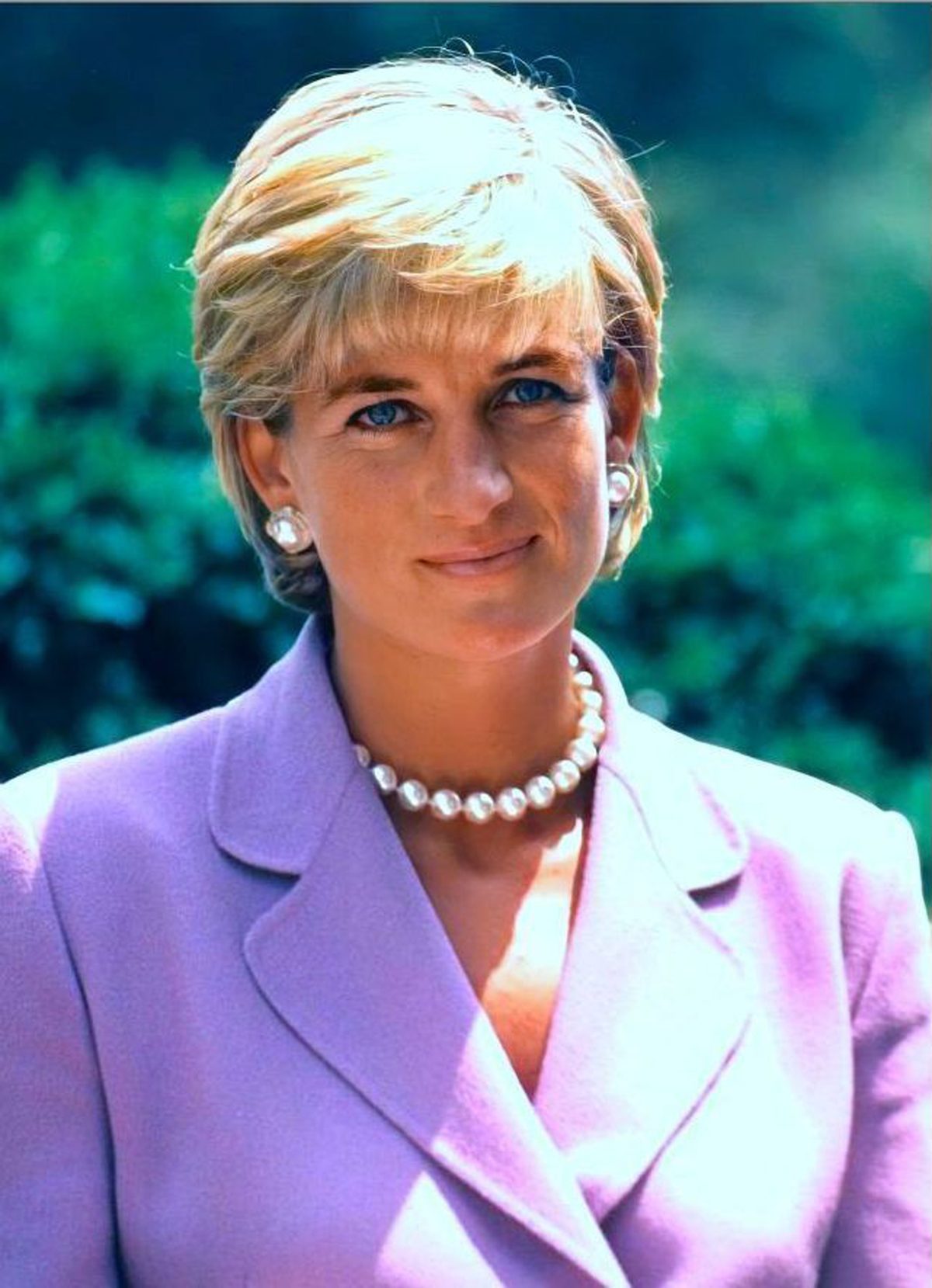
📷 Photo: John Mathew Smith & www.celebrity-photos.com from Laurel Maryland, USA. CC BY-SA 2.0 via Wikimedia Commons.