Queen Elizabeth II and the Compassionate Nature of Monarchy
In the somber days following one of Wales' most heart-wrenching tragedies, the Aberfan disaster, the British nation was consumed with collective grief. On October 21, 1966, the mining village of Aberfan in South Wales was struck by a catastrophic collapse of a colliery spoil tip, leading to the tragic loss of 144 lives, 116 of whom were children. It seemed, in those chilling moments, that the world paused in sorrow. And while an entire country grappled with mourning, echoes of heartfelt sympathy resonated even from the echoes of royal halls. A handwritten letter penned by Queen Elizabeth II herself to a young boy from Aberfan stands as a touching testament to her deep empathy and to the enduring connection between the British monarchy and its people.
The Tragic Context of Aberfan
The village of Aberfan, nestled in the Merthyr Valley, had been at the heart of coal mining in Wales. The community’s heart and soul were tied to the industry that provided livelihoods and, ultimately, cast a devastating shadow over its children. On that fateful October morning, as children settled into their classrooms at Pantglas Junior School, the unimaginable occurred. Unstable colliery spoil comprising coal mining debris cascaded down the hillside, engulfing the school and many nearby homes.
The Queen, at the time, was stationed in Buckingham Palace, where the mechanisms of the monarchy's ornate yet demanding schedule spun continuously. But with the disaster, those wheels abruptly halted to accommodate the Queen's profound personal engagement with the tragedy. The monarch, acutely aware of the weight her presence bore, made a point to visit Aberfan eight days later, offering her condolences. Yet, it was what happened weeks after this visit that left a lasting impression on one grieving boy and his family.
A Handwritten Note That Touched a Family’s Heart
In the grim weeks following the disaster, Aberfan radiated sorrow, and families struggled to find solace amid the heartbreak. Among them was a young boy who, like too many others, found himself bereaved and adrift, holding the fragments of a life no longer touched by his sister's laughter. In this ocean of despair, navigated by candlelight vigils and hushed prayers, a beacon of comfort arrived—an envelope bearing the royal seal.
The letter was from the Queen herself, not a typed formality overseen by a dutiful secretary, but a personal, handwritten note. Her message, crafted with a deliberate gentleness, articulated a genuine acknowledgment of his loss and bore the eloquence of a sovereign who, despite her elevated status, sought to comfort the very heart of a child she had never met. By naming him directly, Queen Elizabeth II conveyed not only sympathy but also a recognition of his unique grief within the larger tragedy.
The Royal Tradition of Personal Connection
The British monarchy, with its long-standing traditions and elite lineage, might seem far removed from the struggles of daily life. However, it has repeatedly shown that its greatest strength lies in the personal connections it forges. Queen Elizabeth II, throughout her reign, maintained a fine balance between regal dignity and heartfelt humanity. This delicate balance was particularly unfurled during times of national adversity.
The Queen's involvement in Aberfan resonates with the broader narrative of a monarchy that interacts with its subjects beyond ceremonial functions. Queen Elizabeth II's reign was characterized by numerous moments, like this one, where her genuine empathy crossed national events and touched individual lives. Such gestures are more than symbolic; they offer a form of healing that only a connection to something as steadfast and historic as the monarchy can bestow.
The Lasting Impact of a Simple Act of Kindness
The handwritten letter to the grieving boy remains a story of hope and solace—a reminder that even in the waves of despair, a bridge of compassion can be built. In the context of royal history, such acts underscore the monarchy’s ability to evolve; to interact and intervene in meaningful ways amidst transformations that challenge the heart of its relevance. For the families of Aberfan, that letter symbolized a comforting acknowledgment: their loss was shared, and they were not forgotten by the nation or the Queen who served it.
While the mining industry in Wales evolved and the landscapes of British society shifted, the memory of Aberfan and the personal elegy encapsulated in that one letter endure timelessly. Today, we cherish the role that personal gestures play when performed from a stage as globally visible as the British monarchy.
Connecting the Past to the Present
In examining the heartwarming and human moments of royal history, the Queen's handwritten note to a grieving boy in 1966 shines like a beacon of empathy. Her words reflect the enduring character of a monarchy that bridges historical tradition with genuine personal compassion. As we journey through an era of contemporary challenges and evolving royal narratives, this legacy of heartfelt connection continues to fortify the monarchy's standing as a stabilizing and unifying institution.
The compassionate act of a queen, who took the time to comfort an unknown child, demonstrates a profound empathy transcending the constraints of time and circumstance. Nearly six decades on, it imparts a lesson of kindness and humanity that continues to inspire. Though monarchies may command power and tradition, it is through such intimate human gestures that they truly reflect their most regal and revered qualities.
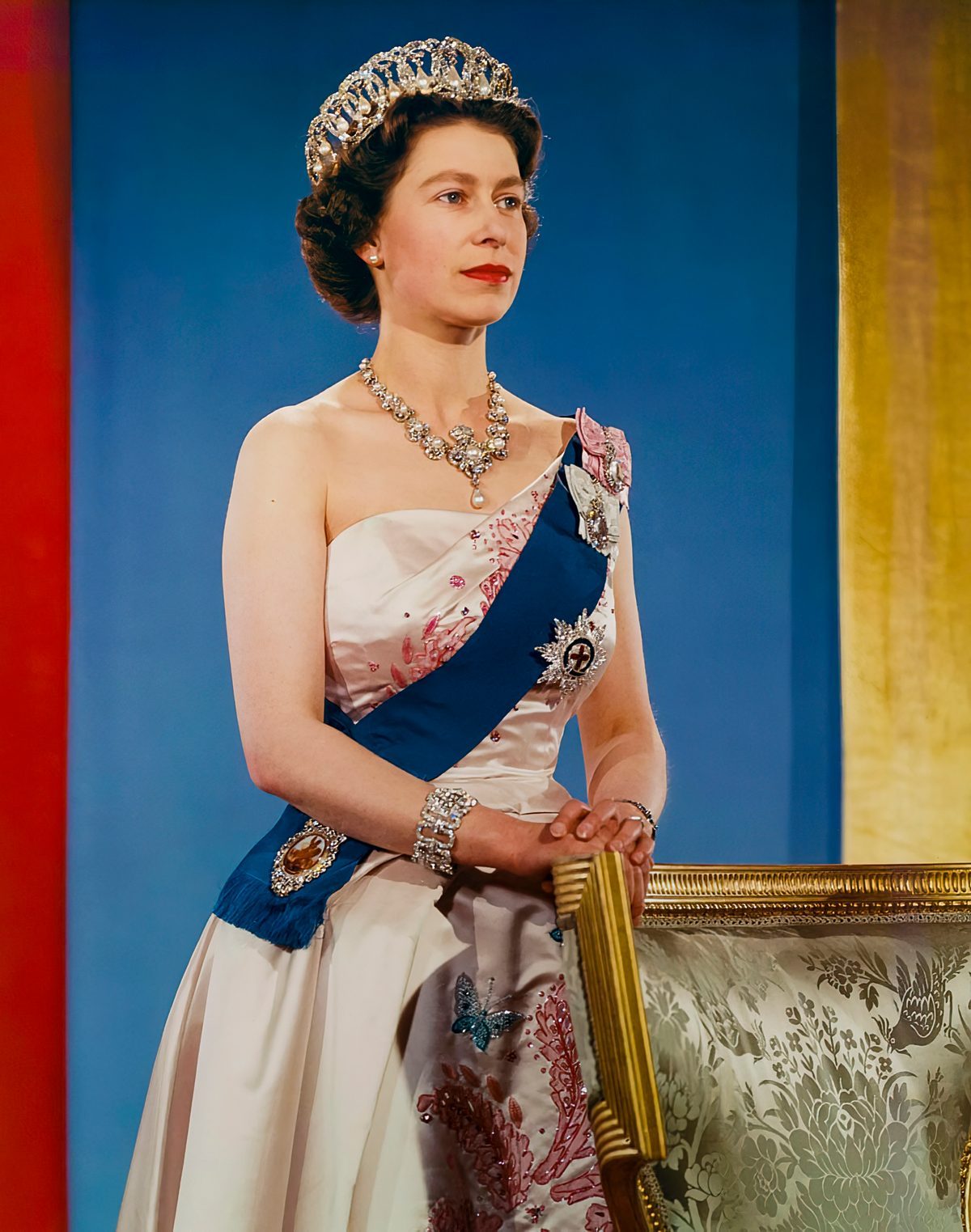
📷 Photo: Donald McKague. Public domain via Wikimedia Commons.