The gown she wore was neither gilded with gold nor encrusted with diamonds, yet it shimmered with a subtle opulence that captured the imagination of all who beheld it. As Princess Marina of Greece stepped delicately onto the cobblestones of Westminster in 1934, the city was ensnared by the sheer poetry of her appearance. Draped in ice blue, a color as unique as her own journey from exile to the heart of British royalty, Marina captivated a nation jaded by the shadow of recent hardships and hungry for a fairy tale.
A Royal Wedding to Remember
Princess Marina's story is one of resilience and reinvention. Born into the Greek royal family, she was the daughter of Prince Nicholas of Greece and Denmark and Grand Duchess Elena Vladimirovna of Russia. Yet, her early life was far from the splendid tapestry one might imagine. The upheaval in Europe and subsequent exile left the Greek royal family with scant resources, their wealth dissipated by the turbulence of early 20th-century geopolitics. It was these circumstances that brought Marina to London, not as a queen-to-be but as a young woman stepping into a grand, uncertain new future.
Standing opposite her, Prince George of the United Kingdom—known affectionately as the Duke of Kent—embodied the very stability and grandeur that had eluded Marina's family. As the fourth son of King George V and Queen Mary, George was no stranger to the responsibilities and expectations of the British monarchy. The union promised a strengthening of ties between two European houses and offered Britain a moment of togetherness and joy, a welcome respite from the economic and social trials of the time.
The Creation of an Iconic Gown
For her wedding gown, Princess Marina turned to Edward Molyneux, an English designer whose name was synonymous with understated elegance. Molyneux, once an officer in the British Army, had gained fame in 1920s Paris, celebrated for his refined approach to fashion, which eschewed excess for sophistication. In Marina, he found a muse who embodied these values.
The resulting creation was an exquisite ice blue satin gown styled with a grace that was simultaneously classic and modern. The gown featured a narrow column silhouette that flattered her tall, statuesque frame, and delicate silver embroidery that traced the lines of the dress like moonlight on water. More than just a fashion statement, the gown was a masterstroke of symbolism. Ice blue, chosen by Marina for its serene beauty, subtly echoed both regality and the cool determination of a princess who had carved out her own destiny amid adversity.
Veil of Memories
Equally significant was the veil that completed her ensemble. No mere accessory, it was an antique lace veil—an heirloom from her mother’s side and a poignant nod to her past. Its intricate patterns were a reminder of the lasting bond with her homeland. As she walked down the aisle of Westminster Abbey, the veil fluttered lightly in her wake like whispers from a life that was both part of her and apart from her. It framed her face with a delicate transparency—a testament to the merging of old-world delicacy and new-world exigence.
Enchanting the British Public
The day of the wedding was a rare moment of celebration in interwar Britain—a spectacle embraced by throngs of onlookers who crowded streets and clambered up post boxes for a glimpse of the radiant couple. Inside Westminster Abbey, an atmosphere thick with anticipation gave way to a collective breath as Marina entered. British Vogue, in a spirited tribute to the bride, hailed her gown as possibly the most beautiful royal dress ever, its beauty capable of suspending the mundane and transforming the moment into legend.
For the British public, Marina's entrance did more than dazzle—it healed. Her gown was a symbol, not just of love and alliance, but of renewal. Her steps down the aisle were the crescendo of an event that temporarily lifted the shroud of economic depression and unemployment, instilling hope and wonder in the hearts of many.
Beyond the Aisle: A Legacy of Elegance
As Princess Marina embraced her role as the Duchess of Kent, she continued to captivate the public with her style and dedication. She quickly adapted to the multiple duties and expectations of a working royal, her elegant attire always reflecting both her personal style and her new nation's values. Her poise and elegance were admired across Europe, a sartorial ambassador whose fashion choices often whispered a reminder of bridges between her royal past and present.
The Endurance of a Royal Legacy
Princess Marina's wedding gown stands as a historical touchstone, a nexus of fashion and heritage which outlasted not only the immediate shadows of the era but also the fleeting years of any single life. It was a garment woven with threads of time, resilience, and elegance, capturing a moment when fashion became a salve for national grief. Today, the image of that gown endures as a reminder of the power of clothes to capture the imagination, embody the spirit of their wearer, and become intrinsic to the history they are part of.
As we look back, the magic woven into the ice blue threads of Marina's gown reminds us that, even in uncertain times, beauty and grace can chart courses through chaos, uniting people in shared admiration. Just as she warmed the hearts of a nation in 1934, Princess Marina's story underscores that, sometimes, it takes just one gown to turn a stranger into a queen in the eyes of the world.
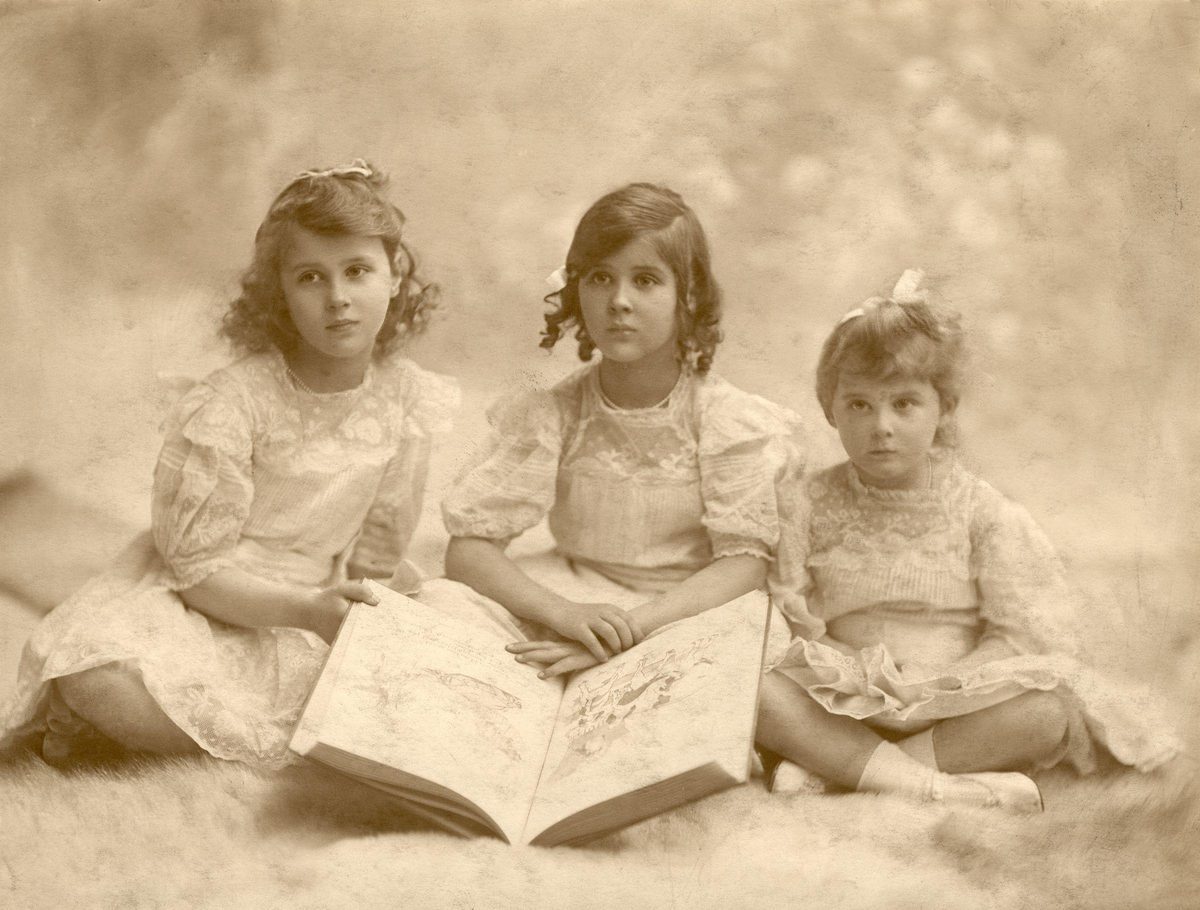
📷 Photo: Lallie Charles. Public domain via Wikimedia Commons.