A small boy once wrote to Buckingham Palace about the most important thing in his world — his missing dog. No one expected a reply. But Queen Elizabeth II, a lifelong lover of dogs who understood their quiet companionship better than most, sat down and wrote back herself. The letter arrived in a child's bedroom and was never forgotten.
The Heart of a Little Boy’s Wish
In an era long before digital communication sped up our interactions, a little boy named Thomas, growing up in the leafy suburbs of London, found himself overcome with despair. His beloved dog, a plucky terrier named Molly, had gone missing. Her absence left a chasm in his world that no other comfort could fill. To Thomas, Molly was not just a pet; she was a confidante, a loyal companion who made his everyday life brighter and more spirited. Driven by the unwavering belief in the power of hope, he decided to write a letter to Buckingham Palace.
The letter was simple and direct. With the innocence only a child can muster, Thomas expressed his sadness and pleaded for help — any help — to locate his missing Molly. He recounted tales of their adventures, their games, and their cherished moments of affection. Despite his young age, Thomas included his complete address, albeit in childlike handwriting, not expecting a real reply but hoping, more than anything, that someone, somewhere in the grandeur of Buckingham Palace, might read his words and understand his small, yet profound, sorrow.
A Queen's Gentle Gesture
The Royal Household, ever vigilant with the matters of state and the many correspondences from citizens both near and far, could hardly have predicted such a heartfelt message finding its way into the Palace. Yet, the letter did land on the desk of the Queen herself, passing through the mesh of courtiers and secretaries. It might have easily been met with a standard response letter penned by aides. But not this time, not for the young boy conversing with the Queen about a missing dog.
Queen Elizabeth II, renowned for her love of animals, especially dogs, surely saw a reflection of her own younger self in Thomas’s words. Known to have once crawled alongside her father's cherished corgis and often seen doting upon her own, the Queen felt the pain of losing such a loyal friend keenly. So she decided to write back herself. With her unmistakable fountain pen, she penned words of encouragement and understanding, drawing from her own deep love for dogs.
"Molly is undoubtedly a remarkable dog," she wrote with empathy, "and I send my best wishes for her safe return."
Through her personal touch, the Queen's letter conveyed more than just royal formality. It was an act of shared humanity and compassion. Her reply was a recognition that behind the walls of grandeur, there beat a heart familiar with the same affections and losses known to common households.
Buckingham Palace: A Realm of Elegance and Empathy
Buckingham Palace, with its opulent architecture and storied chambers, often seems an unreachable mystery to many fervent supporters of the monarchy. Yet, instances like these, when the Queen herself engaged with the public in such a personal way, served to bridge a perceived gap between the crown and her subjects.
The 1960s marked a transformative period for the royal family, one in which Queen Elizabeth II steadily and adeptly guided the monarchy through a rapidly changing social landscape. The household rarely faltered in its responsibility to appear as a bastion of stability. But where many saw only the stoic façade of regal responsibility, moments like this offered a heartening glimpse into the compassion that quietly underpinned the Queen’s reign.
The royal love for dogs, etched into the very fabric of the monarchy's history, became a tangible point of relatability for many. Countless photographs captured the Queen's affection for her Welsh corgis — a passion first sparked by a beloved corgi named Dookie, gifted to the family in 1933. Such affections were more than mere pastime; they were a cornerstone of royal life, closely tied to the Queen's private persona.
A Tale Cherished Through the Generations
When Thomas received the letter, months after he had tearfully sent his note, he was not disappointed. Though Molly was never found, the words of comfort from the Queen gave him solace and a sense of importance. She had acknowledged his sorrow, turning what could have been a sad ending into a cherished memory imbued with royal empathy.
The story of Thomas and the Queen’s letter has since been lovingly shared within his family, becoming a tale passed through generations — an indication not only of personal history but a touchstone showing the enduring affinity between the Crown and its people. It served as a reminder that beneath the weight of a tiara lies a head filled with kindness and understanding as profound as the most furrowed brows of wisdom.
The Gentle Echoes of a Compassionate Reign
As years passed, countless citizens would write to the Queen about their triumphs, troubles, and hopes, often receiving replies that bolstered spirits and fortified dreams. Such narratives, which continue to surface, enrich the venerable tapestry of the monarchy and exhibit how deeply Queen Elizabeth II’s personal touch resonated with her admiration.
The Queen's legacy is deeply interwoven with moments like these — moments where human kindness triumphed seamlessly over pomp and splendor. Her quiet acts of empathy and understanding echo profoundly through time, drawing admirers from every corner of her realm.
Today, as we reflect on the royal legacy she has left, it is tales of genuine warmth and humanity, such as the handwritten reply to a heartbroken child, that continue to connect us intimately with the monarchy. Such stories stand as reminders that no matter the era, the compassionate gestures of a true Queen are timeless, touching our lives with regal grace and enduring kindness.
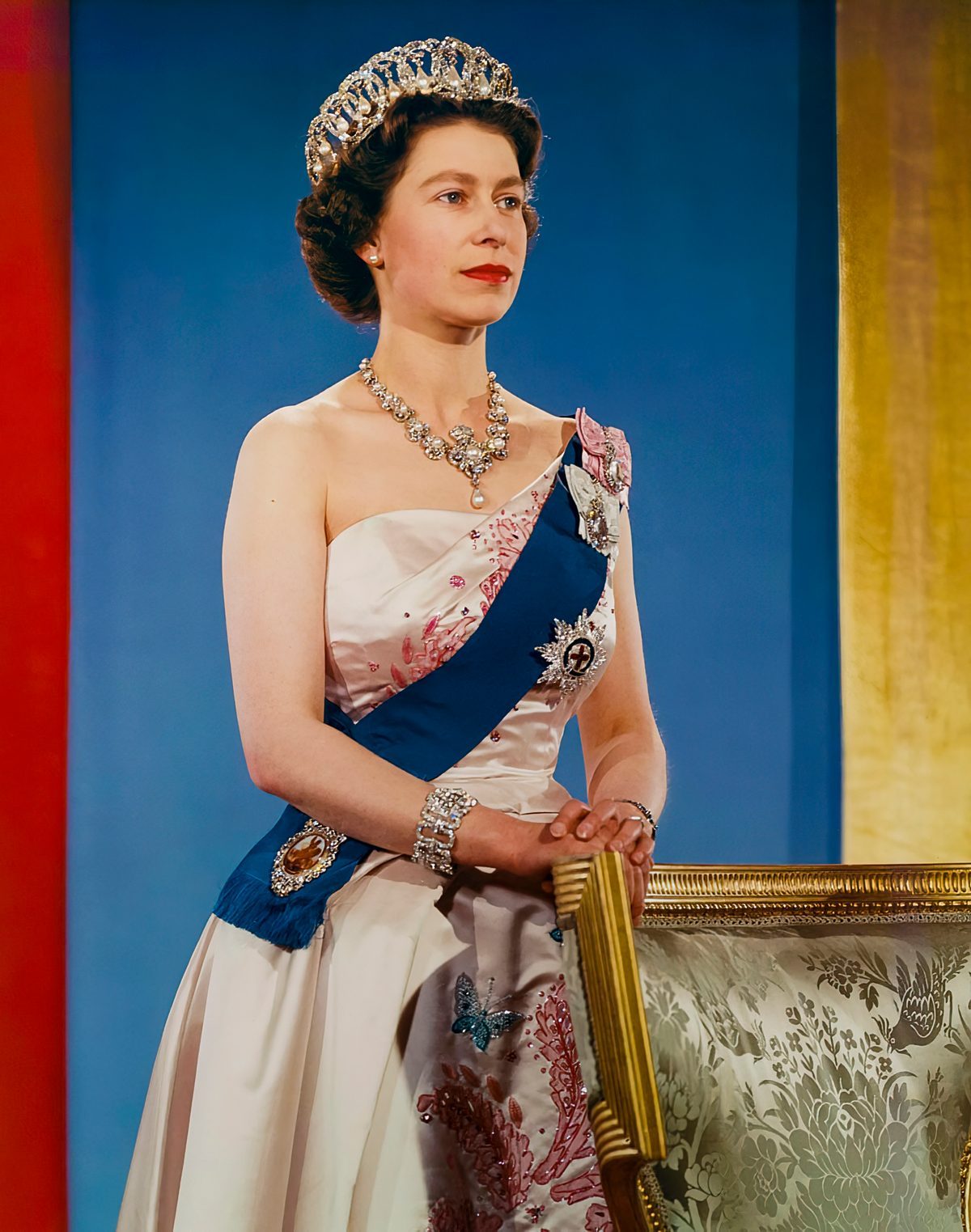
📷 Photo: Donald McKague. Public domain via Wikimedia Commons.