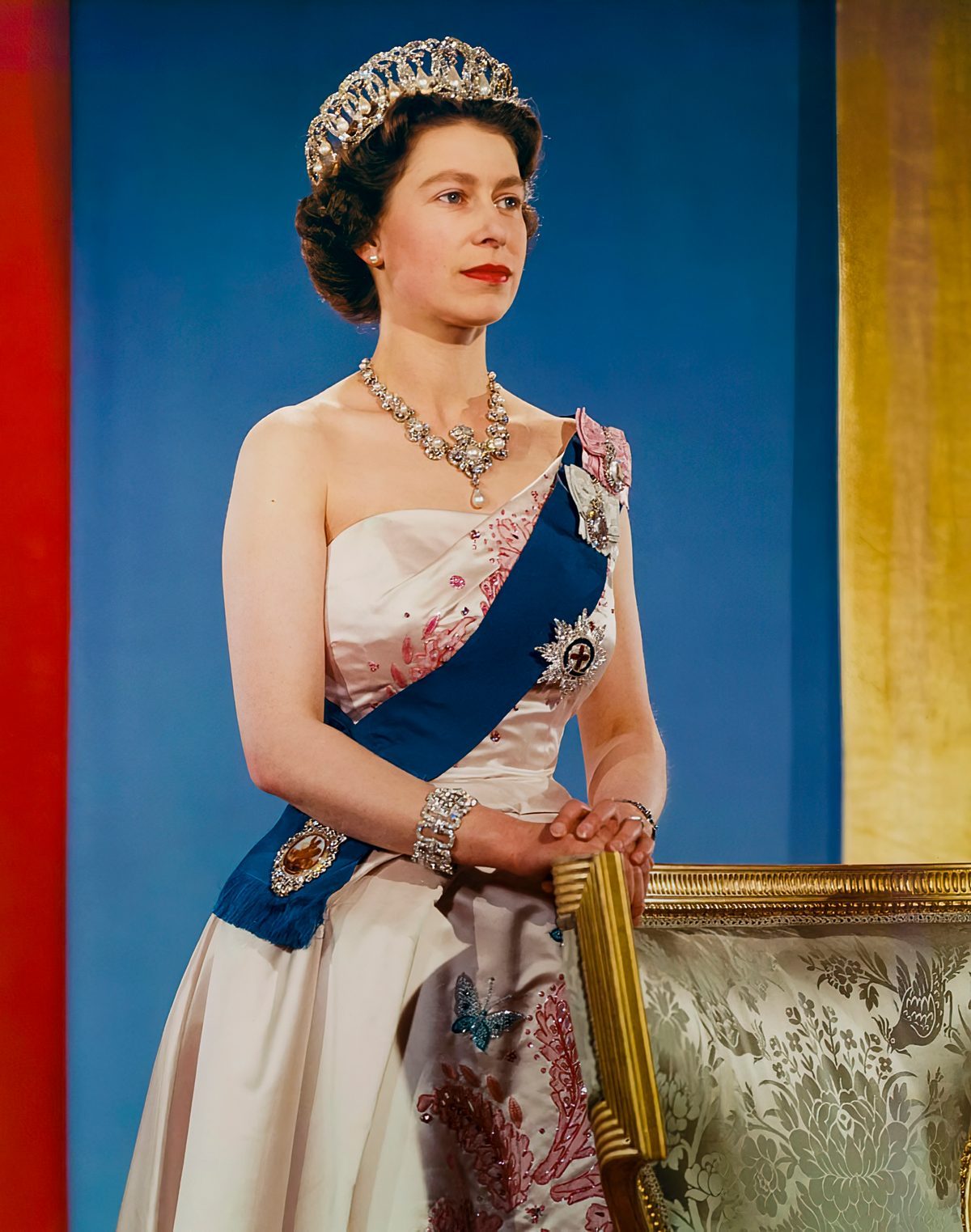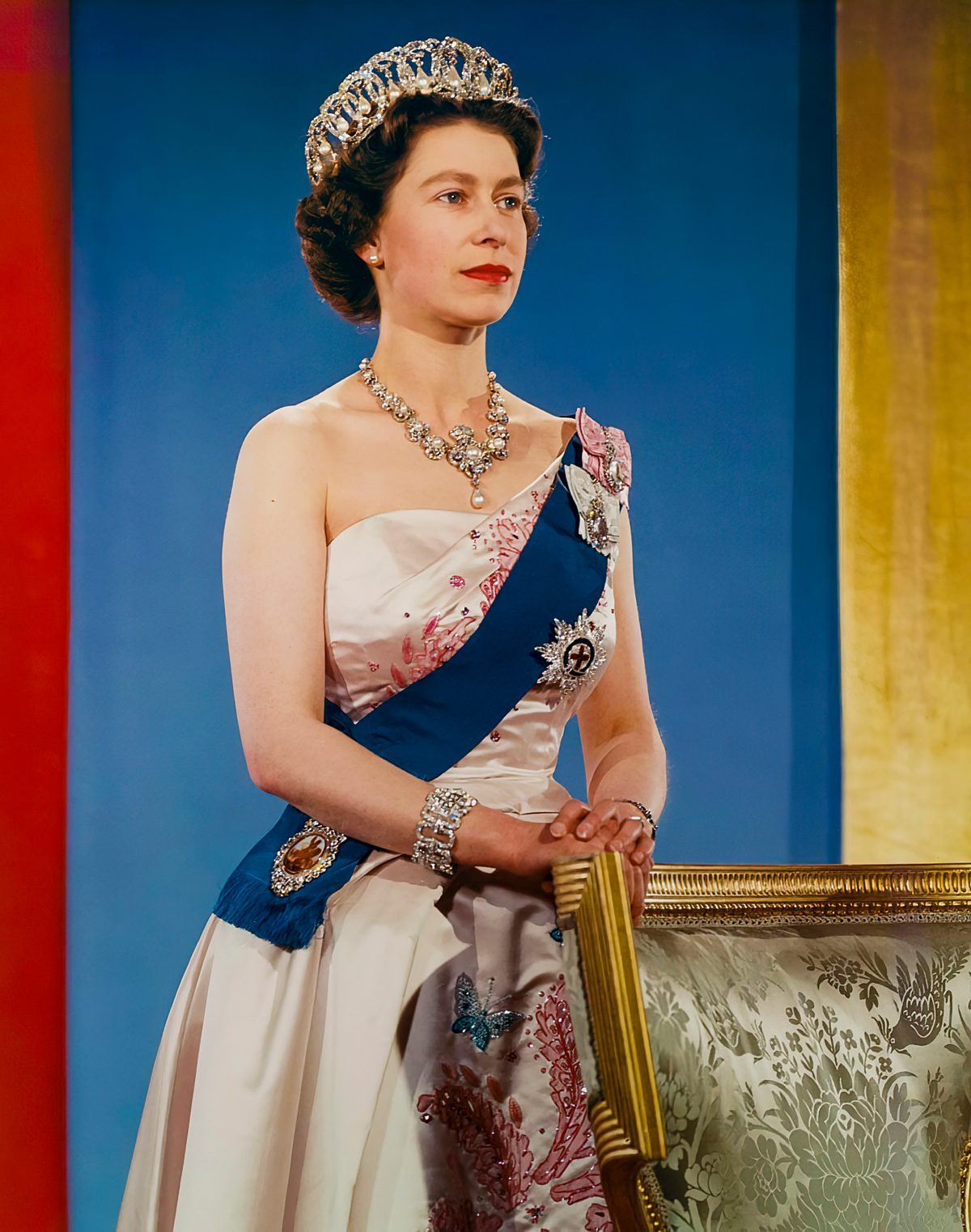

Every little girl dreams of what it might be like to dwell within the enchanted walls of a palace, clad in the finery fitting of a princess. Yet, for the young Princess Victoria, the grandeur of her residence was often overshadowed by the constraints of her reality. From the tender age of eleven, Victoria was thrust into a world of strict supervision, where every whisper and step was measured, and every thought was scrutinized under the vigilant eye of her mother. Surrounding her was a veritable fortress of rules and expectations known as the Kensington System, designed to mold the future queen into an image of perfection.
In response, young Victoria displayed a remarkable resilience and a touch of ingenuity beyond her years. She nurtured within herself a secret rebellion, an internal world written in an alphabet of her own creation—a code so meticulously crafted that it remained unbroken until she wore the crown herself. This unique endeavor allowed the young princess to express her innermost thoughts free from the piercing scrutiny that defined her early life.
The Searing Lens of the Kensington System
The 1830s were a vibrant yet strenuous period for the British monarchy, where tradition interwove with the tumult of societal change. For Princess Victoria, destined to become the face of such change, her childhood was anything but ordinary. Under the Kensington System—a stringent set of royal protocols devised by her mother, the Duchess of Kent, and the ambitious Sir John Conroy—Victoria's childhood was painstakingly controlled. Every movement she made, not a single word or letter went unexamined by her mother's discerning gaze.
It was within this rigid framework that Victoria's sense of privacy was stripped away, leaving her feeling akin to a porcelain doll, displayed and admired, yet contained. The Duchess, in an effort to suppress any rebellious spirit, monitored her daughter assertively, reading every letter and diary entry that Victoria dared to pen. Yet, despite the external constraints, the young princess harbored a vibrant internal life characterized by wit, emotion, and intellect.
Coding Freedom: Crafting the Invisible
Determined to shield her personal thoughts from prying eyes, Victoria sought out creative means to cultivate her independence. With a youthful brilliance, she commenced crafting her own alphabet around the age of eleven—a remarkable feat indicative of a young mind yearning for self-expression amidst constraint. This symbolic alphabet was rendered invisible to those who scanned her words, serving as a covert language, a means to chronicle her life in a manner impervious to intrusion.
Each character in Victoria's code was more than a mere symbol; it was an embodiment of her unvoiced words and emotions, safeguarded beneath the surface of ordinary letters. She embedded this alphabet into the fabric of her diaries, utilizing it to contain the truth of her experiences, her grievances, and her dreams. As the years passed, these coded pages accumulated, becoming a solace for Victoria as she navigated her constrained world.
The advent of this secret language was not just a clever ruse; it was a subtle act of defiance, an assertion of Victoria's autonomy in a space where she was given none. The secrets within these pages were Victoria's own, hidden in plain sight yet invisible to her mother's watchful eyes.
Unveiling the Codes After the Crown
It wasn't until years after she was crowned Queen Victoria, the storied sovereign who would leave an indelible mark on the British Empire and its history, that her clandestine code saw the light of day. By this time, her youthful habits seemed to be of little consequence. She had transformed into one of the most powerful figures of her time, overseeing an empire upon which the sun famously never set.
The decoding came inadvertently, as historians delved into the archives in an effort to illuminate the life of the young queen who had managed to transition from a sheltered princess to a formidable monarch. To their astonishment, these early writings unveiled not only glimpses of what the fledgling royal had endured but also a portrait of an inner world teeming with unfiltered thoughts and feelings.
Unlocking her code revealed an intimate perspective on the girl who became queen, illustrating the vibrancy and complexity of her youthful mind. Her diaries, once considered mere routine accounts, became windows into her historical context, giving humanity to a figure often enveloped in regality.
A Legacy of Introspection and Strength
Princess Victoria’s coded diary serves as a reminder that the story of a queen is not merely one of crowns and palaces; it is as much about the whispered wisdom, courage, and quiet rebellion in the face of adversity. Victoria confronted her unyielding reality not through grand gestures—something she could ill afford given her circumstances—but with her intellect and subtle acts of defiance, finding sanctuary within the pages of her diaries.
The power of Princess Victoria’s hidden language endures today, offering a glimpse of the profoundly personal amid the political. Her language develops into a bridge, connecting us to the human aspects of figures long shrouded in the formalities of history. Her story is an emblem of personal freedom, underscoring the notion that while the body may be contained within gilt cages, the mind has the boundless ability to soar.
Queen Victoria's childhood journey, filled with a coded quietude, sends forth a timeless message to those who find themselves seeking refuge in their own creativity. Her diaries encourage us to embrace our thoughts, perceptions, and emotions as our own, irrespective of the external forces vying for control. As we traverse the challenges and expectations of today, may we find inspiration in the resilience and ingenuity of the young princess who learned to voice her truth under the watchful eyes of an empire.