Amidst the turbulent winds of World War II, as Britain stood defiant in its darkest hour, life at Buckingham Palace was also yielding to change. On a crisp morning in 1944, a story unfolded that was as delightful as it was symbolic, planting the seeds for what Princess Elizabeth would come to embody as Queen. Far from the pomp of royal chambers, but rich in historic resonance, this tale brought together two iconic titans of British history: Princess Elizabeth and Prime Minister Winston Churchill.
The Princess and the Prime Minister
It is a scene vivid enough to stir the imagination. The young Princess Elizabeth, just eighteen years old, was not dressed in lavish finery or adorned with royal jewels. Instead, she wore the practical uniform of the Auxiliary Territorial Service (ATS) — Britain’s women’s army during World War II. With her hair neatly tucked under a beret, Princess Elizabeth was committed to serving her country, contributing alongside her fellow citizens.
Perhaps no one understood the gravity of wartime better than Winston Churchill. As Britain’s stalwart Prime Minister, Churchill was the man of the hour, guiding the nation through trials and tribulations with a cigar ever close at hand and resolve as steadfast as his voice was powerful. On this particular day, however, the bulldog of Britain found himself in an unfamiliar spot — the passenger seat of a military vehicle with Princess Elizabeth behind the wheel.
To Churchill’s amusement, and perhaps slight trepidation, he climbed into the vehicle as the Princess prepared to take her newly acquired driving skills for a spin during a military inspection. Little did he know that this young driver, seated with poise and determination, was not only testing her mechanical prowess but also signaling the onset of her journey from a princess to a monarch beloved by her people.
The ‘Mechanic’ Princess
Princess Elizabeth’s decision to join the ATS in 1945 was both groundbreaking and symbolic. It was a time when both the future of nations and monarchies hung in the balance, and Elizabeth was eager to contribute more than regal presence to the war effort. She trained as a driver and mechanic, becoming an adept motorist and learning the intricacies of vehicular maintenance. This immersion in military life was a rare departure from the usual protocol for members of the Royal Family, but Elizabeth embraced it with characteristic determination.
The impact of her service was far-reaching. By immersing herself in the everyday life of wartime Britain, Elizabeth bridged the gap between the monarchy and the public, fostering a sense of equality and shared purpose. While the King and Queen bathed in the bomb-laden reality of London by refusing to leave for safer grounds, Elizabeth’s ATS uniform was a testament to the spirit of resilience and unity. For a country persevering through conflict, the image of the future queen rolling up her sleeves and learning to repair an engine was a powerful one.
Behind the Wheel
When the morning came for Churchill’s ride, the stage was set for a historic encounter. As Elizabeth started the engine, one can imagine Churchill settling himself with all the grace his portly frame allowed, perhaps casting a furtive glance at the Princess’s assured hands on the wheel. There was humor in this melding of royalty and statesmanship — the Prime Minister renowned for his wartime tenacity, now relying on the steady driving of a teenager.
While the exact dialogues and emotions shared between the two during this drive remain in the annals of confidentiality, the spectacle itself was loaded with warmth and mutual respect. Here was young Elizabeth, embodying the promise of a resilient post-war future, and here was Churchill, entrusting his fate momentarily to the hands of the future symbol of British continuity.
This drive was more than a mere test of nerves or ability; it was a harbinger of things to come. It offered a glimpse into Elizabeth’s capability to navigate what lay ahead — a role far more challenging than solving mechanical conundrums. As vehicles passed and soldiers saluted, they acknowledged not just a Princess but a figure who would become synonymous with endurance and loyalty.
The Legacy of a Moment
The drive that saw Churchill in the passenger seat was a mere fragment of history, yet it carried within it the essence of monarchy’s evolving character. Princess Elizabeth’s ATS service, while brief, perhaps sowed the first seeds of her lifelong commitment to duty and country. In the years that followed, as she ascended to the throne as Queen Elizabeth II, her journey from young mechanic to monarch served as a journey that anyone — of any class or creed — could relate to. This small act of wartime solidarity helped expand her image as an accessible and relatable sovereign.
Decades later, the world would remember Elizabeth not simply as a Queen who reigned for an era but as one who understood the nuances of service and the connections that knit society together. Sitting beside Churchill, gripping the steering wheel with calm concentration, she previewed the tenacity and resolve that would guide her through the myriad challenges of a rapidly changing world.
Reflections on the Royal Roadmap
In the years since that winter morning, much has changed, yet these stories of the past resonate with our times — illustrating the everlasting appeal and profound depth of the British monarchy. Princes and princesses might wear crowns, but the greatness of their impact is often measured in such intimate moments of courage and humility.
As believers in the enduring lineage of the Royal Family, we cherish these historical snapshots. They teach us about an institution that has both led and reflected society. Indeed, the monarchy continues to enrich not only history books but the hearts of the people. The drive taken by a young Princess Elizabeth with Winston Churchill represents, in many ways, the drive of a nation — aspiring, striving, and never losing sight of its indomitable spirit. In remembering such a charismatic journey, we remind ourselves of an ever-youthful monarchy ready to rise to the challenges of today and the promises of tomorrow.
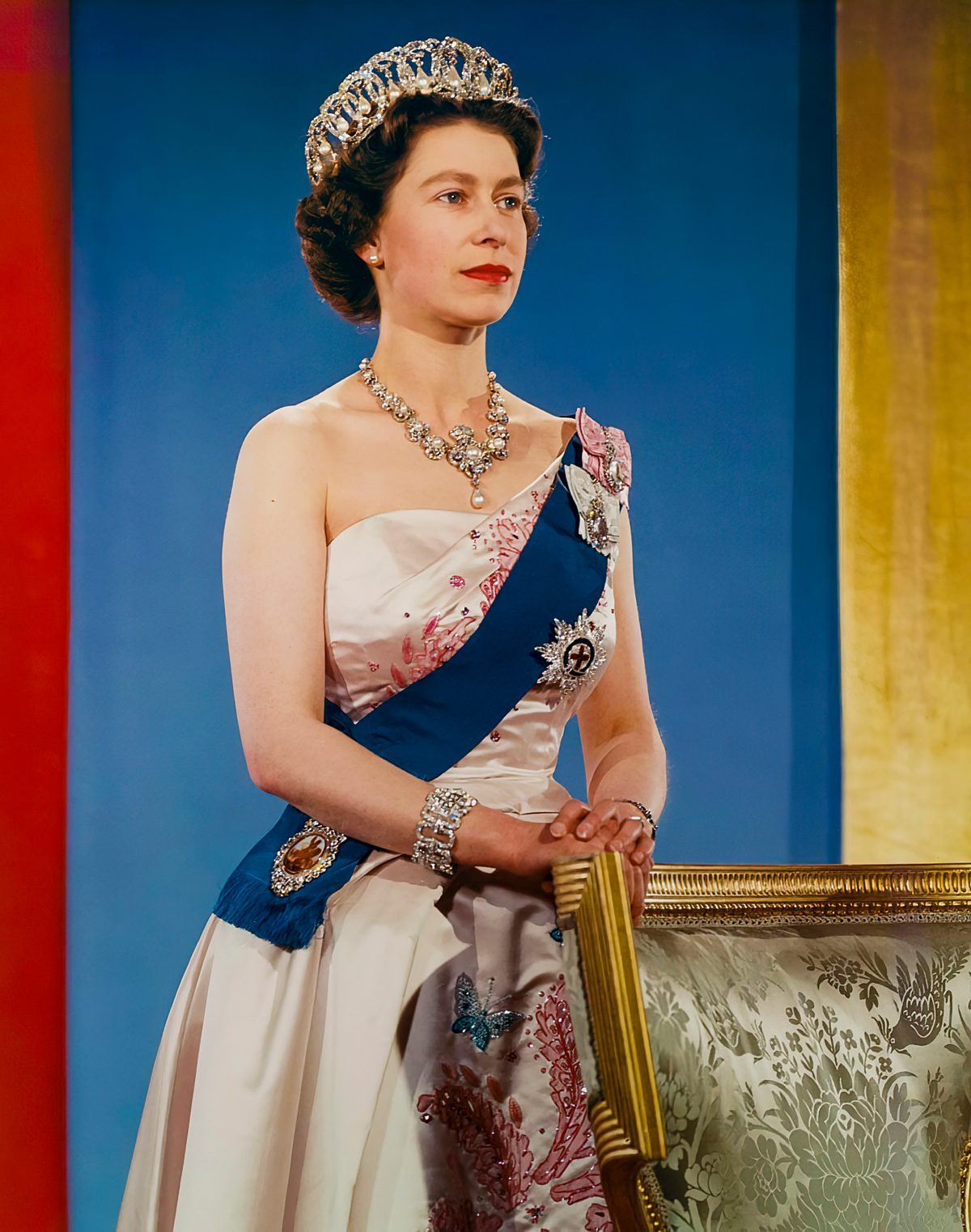
📷 Photo: Donald McKague. Public domain via Wikimedia Commons.