Under the gentle sun of a burgeoning post-war Britain, the gates of Buckingham Palace swung open in 1946 to a sight that had long been out of reach for many—those who were the backbone of the nation's perseverance during its darkest hours. King George VI, alongside the young Princess Elizabeth and other members of the Royal Family, hosted a garden party that not only honoured but celebrated the numerous women who had contributed selflessly during the Second World War. These were the women who had driven through bomb-struck streets, who packed rations under the threat of nightly raids, and who cared for the wounded while their own hearts feared for loved ones on distant fronts. This unprecedented gathering in the heart of London was not just a soiree; it was a long-overdue expression of gratitude.
The Enchantment of a Royal Garden Party
Buckingham Palace gardens on that summer day bloomed not just with flora, but with the spirit of camaraderie and triumph. For many of the attendees, these meticulously kept grounds were the first real taste of a realm so often veiled in myth and mystery. The royal festivities typically reserved for dignitaries and the elite now swelled with thousands of everyday women—volunteers of every age and background, each with a tale of perseverance during the war.
As tea was poured and sandwiches were elegantly arranged on china, the women who had rarely been celebrated in public were now guests of the Crown. Through smiles and quiet conversations, acts of unheard bravery and resilience found fertile ground for recognition. It was more than an afternoon of elegance; it was an affirmation of their role in the war effort.
A Nation Rebuilt — One Woman’s Story at a Time
The diversity of the war effort was reflected in the attendees. From middle-class housewives to young women who had barely left school, they arrived—draped in their finest attire, flowers pinned to dresses that had seen more nights waiting for news than dances under chandeliers. Among the guests was a young ambulance driver who once navigated the rubble-strewn streets during the Blitz, carried by a steely resolve and an unwavering sense of duty to her compatriots. Another notable attendee worked in a munition factory, her hands staining by laborious efforts under the dull buzz of assembly lines.
These were the women for whom recognition had often come second to the demands of necessity. On this day, however, they received the recognition of a grateful monarch whose influence was powerfully felt in the quiet, sincere gestures of royal hospitality.
The Royal Recognition
Amidst the grandeur of the occasion, King George VI's presence symbolized an entire nation's gratitude. Having himself stepped into a role unexpectedly and shouldered the burdens of wartime leadership, the King profoundly understood the realm where duty met personal sacrifice. Flanked by Queen Elizabeth and their daughters, he moved among the guests, offering kind words that resonated with the weight of his office and the warmth of his genuine appreciation.
The young Princess Elizabeth, perhaps foreshadowing the deep connection she would later nurture with her subjects as Queen, participated in the gathering—engaging guests with a maturity and grace beyond her years. Her own service during the war, in the Auxiliary Territorial Service, painted her as more than a future queen; she was a fellow participant in the shared legacy of wartime service.
Beyond the Tea: Royal Legacy and Continuing Recognition
The garden party of 1946 was more than a simple ceremonial gesture; it was a pivotal moment in royal outreach, embodying the symbiotic relationship between the monarchy and the nation. For a moment, the class divide that often delineated the lives of Britain’s citizens blurred, with lawns and flowerbeds serving as the common ground for shared gratitude and mutual respect.
In the years to follow, Queen Elizabeth II would uphold this tradition of engagement, often attending events that honored the service of her citizens. The values underscored by the 1946 garden party continued to resonate throughout her reign—the deep seated belief that the Crown must celebrate the people who contribute to the essence and strength of the nation.
Today, as we reflect on this chapter in history, we find ourselves reminded of the timeless acts of courage and sacrifice that quietly forge the foundations of any community. The royal gesture in 1946 speaks to a unique duty of the monarchy: to honor the spirit of service and to affirm the ties binding the Crown to its people. The echoes of that afternoon still linger in the royal gardens, cultivated by remembrance and gratitude, nourishing the legacy of service for a new era.
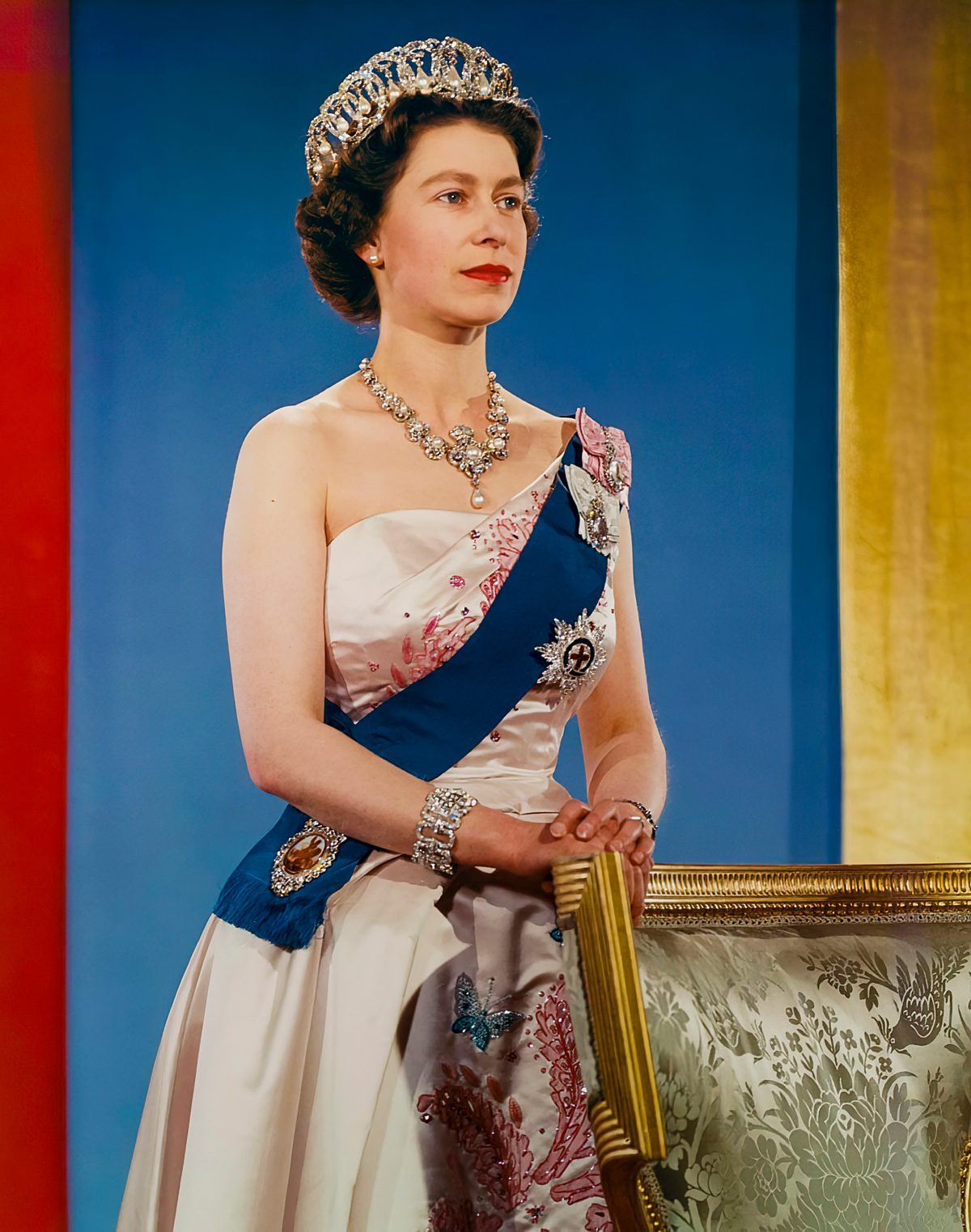
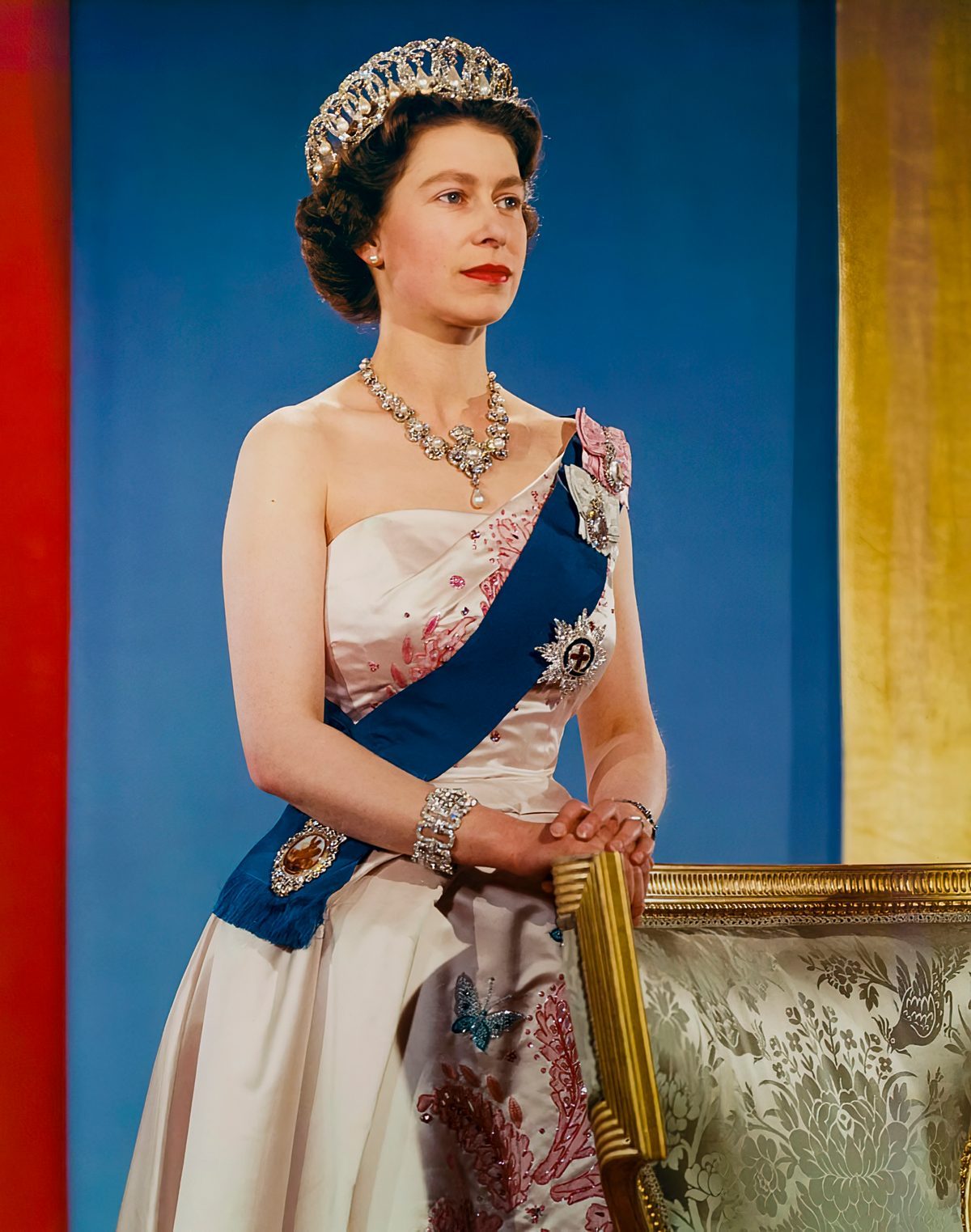
📷 Photo: Donald McKague. Public domain via Wikimedia Commons.