
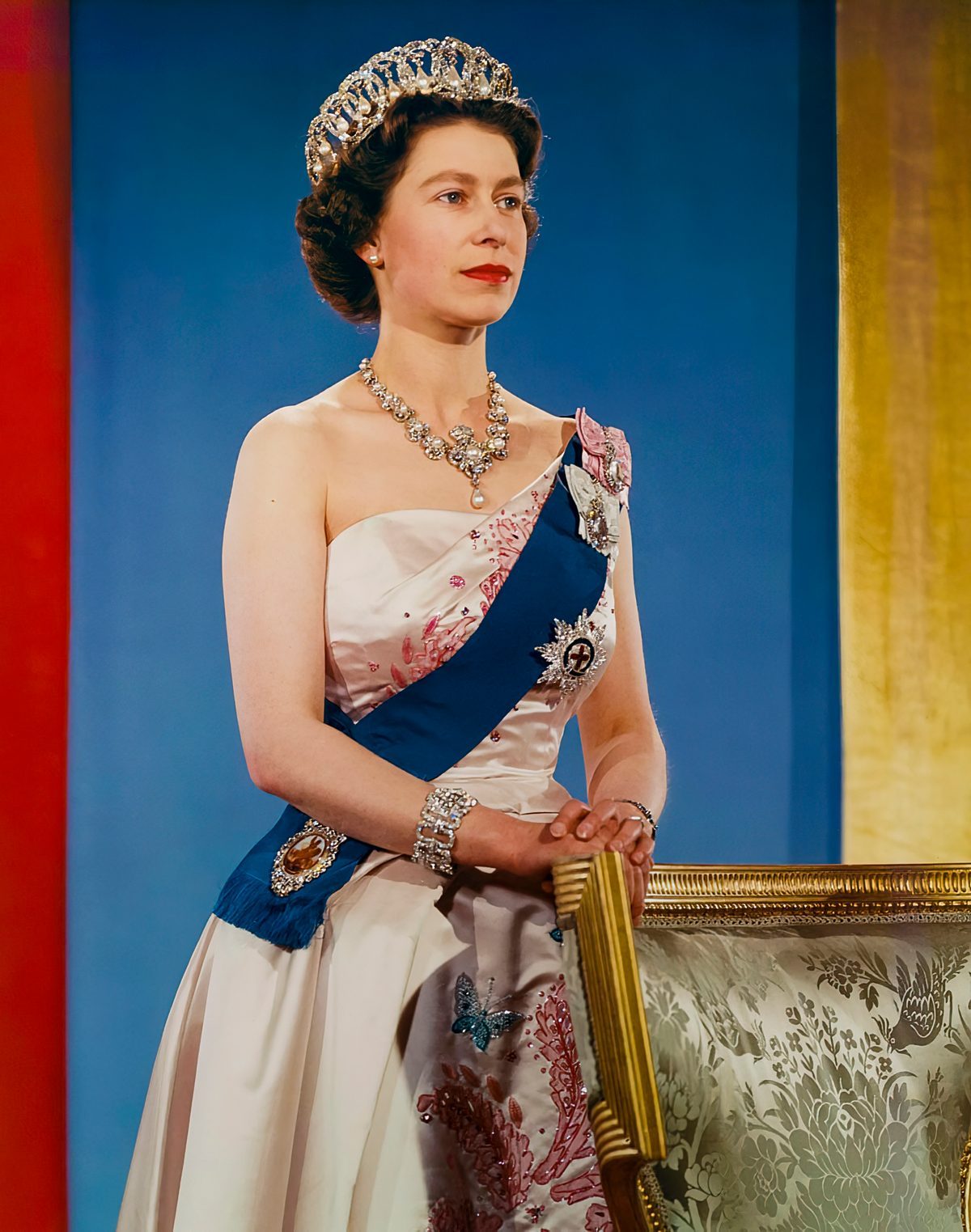
On a bleak October morning in 1966, the sleepy Welsh village of Aberfan awoke to a disaster that would etch its name into history forever. The collapse of a coal tip destroyed Pantglas Junior School, claiming the lives of 116 children and 28 adults. Such was the scale of this tragedy that it rocked an entire nation to its core, leaving scars that would not easily heal. Yet, from the cascading sorrow of that day emerged a small but profound gesture of compassion that showed the world the depth of Queen Elizabeth II's humanity and empathy. Alone in her study, the Queen, unprompted and unobserved, took pen to paper and wrote personal notes to each child who had lost a parent, an act of kindness revealed to the public only decades later.
The Heartbreak of Aberfan
The morning of October 21, 1966, was shrouded in mist as the children of Aberfan headed to school. But by 9:15 AM, life would irrevocably change for the tiny mining village nestled in the valleys of South Wales. An enormous landslide caused by years of accumulated waste from local collieries swept down upon the school, burying classrooms in tonnes of slurry. The country was gripped by horror as news emerged, and families descended into an abyss of grief.
Aberfan was not just another tragedy in the timeline of human history; it became a testament to the resilience of a community broken yet bound by loss. What followed were harrowing scenes of fathers digging with bare hands to rescue their sons and daughters. As news spread, the collective heart of the nation ached. The tragedy drew the attention of the highest realms of British society, including the Royal Family.
A Queen’s Empathy in Action
While official condolences were being crafted by palace aides, Queen Elizabeth II felt the overwhelming need to reach out personally to the children who had lost parents in the disaster. No statute of royal protocol required this; indeed, her staff had already begun composing a formal response. However, the Queen, always known for her quiet resolve and decidedly personal understanding of her duties, took matters into her own hands.
For Queen Elizabeth, writing was an act of immense gravity, a way to pour her heart into each stroke of the pen. Solitary in her private quarters, she chose instead to write personal notes, offering words of solace carefully crafted for each bereaved child. It was an act that no courtier requested, no tradition dictated. This was a Queen connecting through the handwritten words of a fellow mourner, a quiet exchange unseen by the cameras of the world, yet indelibly heard by the hearts of those in mourning.
The Royal Court: Humanity Behind the Majesty
To understand the profound nature of the Queen’s actions, it’s important to glimpse life behind palace doors. For Queen Elizabeth, her role was one of delicate balancing between statehood and personal expression. While surrounded by the opulent traditions of monarchy, she consistently brought a humble, human touch to her duties. Her active reign was filled with visits to schools, hospitals, and remote corners of the Commonwealth, where she listened more than she spoke.
This empathy extended into moments of private reflection. Courtiers accustomed to managing affairs of state might not have expected the monarch to rely on handwritten notes in an age of growing bureaucratic formalities. Yet, these simple notes revealed much about the Queen’s interpretive embrace of her role, binding duty with profound personal conviction.
The Quiet Reverberations of Kindness
Though decades would pass before the world learned of these handwritten notes, their impact on the recipients was instantaneous and enduring. For those young ones left without parents, each note became a poignant symbol of hope and companionship amidst unfathomable loss. When the world felt distant and cold, the warmth of personal connection—embodied through the time the Queen took to write by hand—mattered in immeasurable ways.
The revelation of these notes later in life was met with admiration and reaffirmed the Queen’s unwavering dedication to compassion. It was a reminder that true leadership often takes the form of small, unseen gestures, echoing long after the ink dries on the page.
A Legacy that Transcends Time
Nearly a century after her becoming queen, the values Queen Elizabeth II exemplified through such intimate gestures as writing to Aberfan's children continue to resonate. Her life's work—punctuated not just by grand proclamations or state banquets but by the quiet, indivisible ties she created with her people—remains a blueprint for genuine compassion in leadership.
As today's world faces its own challenges and heartaches, there remains a timeless lesson in her actions: that true connectivity requires more than gold brocades and formal greetings. It requires the courage to sit alone and write heartfelt repose to those in need, trusting that even the smallest acts of kindness weave powerful legacies.
As we reflect on the monarch's poignant acts of empathy, we glimpse a monarchy that not only serves as a symbol of historic continuity but also represents the potential for profound, personal sensitivity. By embracing this softer side, the legacy of the British monarchy, both past and present, continues to unfold with grace, inspiring generations yet to come.
📷 Photo: Donald McKague. Public domain via Wikimedia Commons.