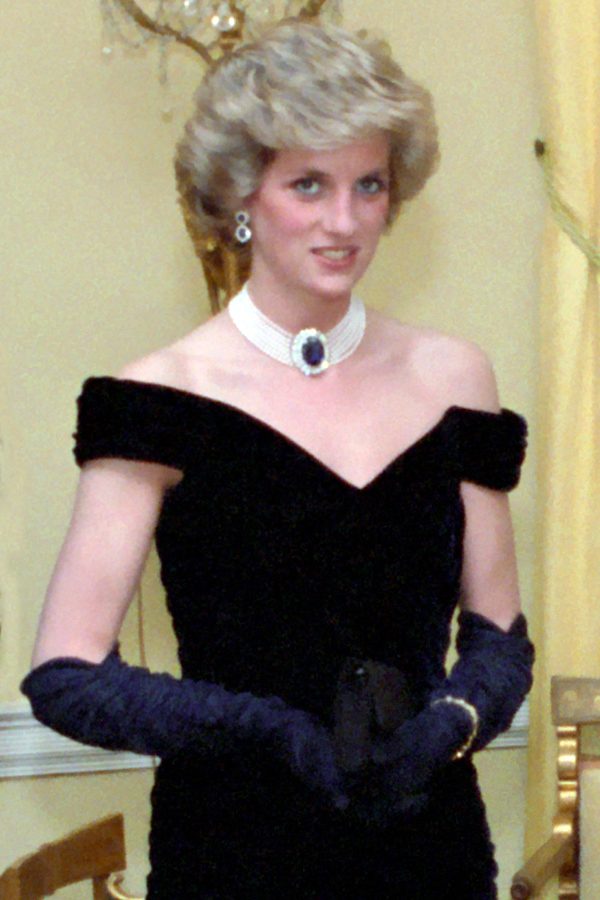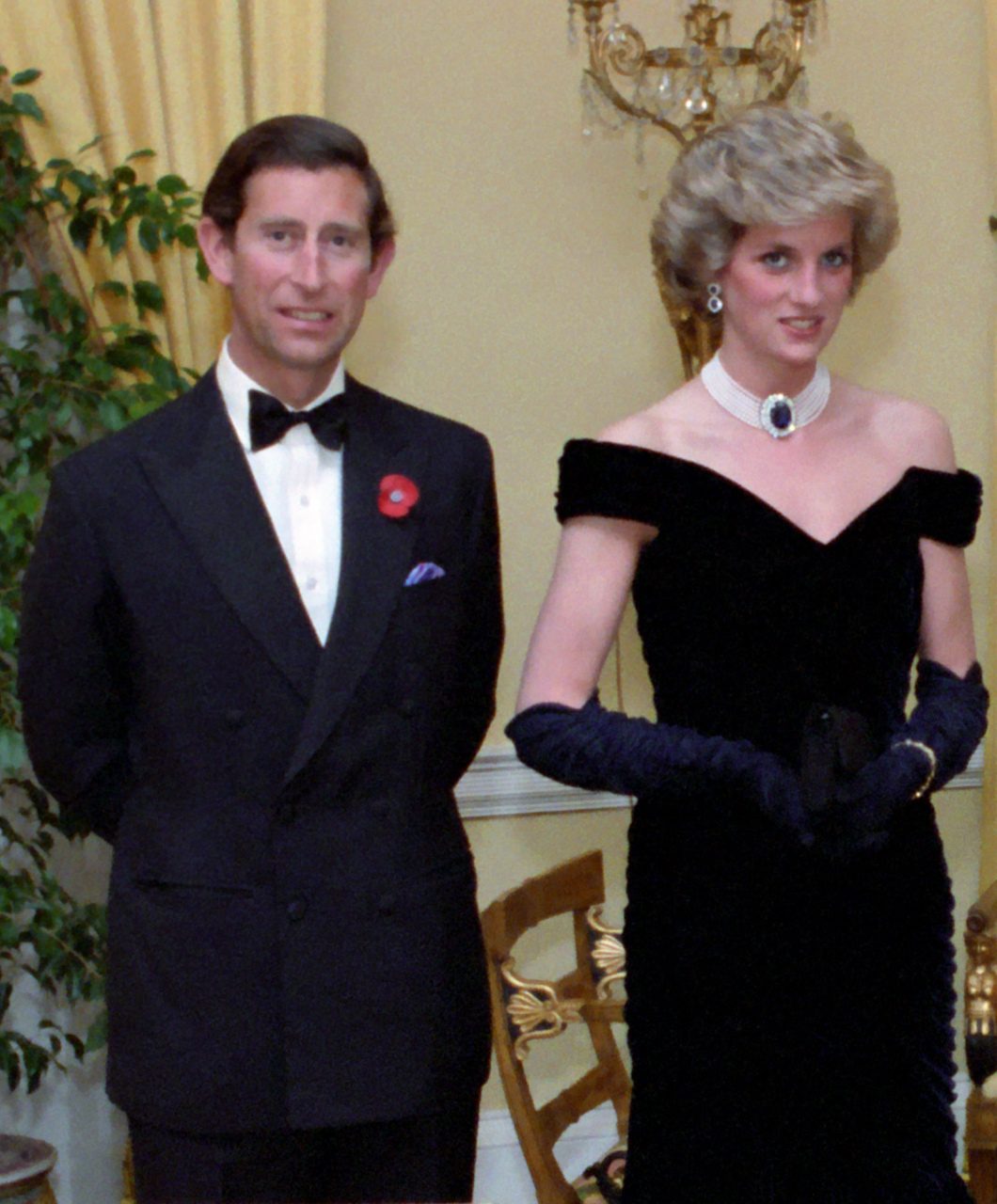
She was barely nineteen years old, newly engaged, and completely untrained in the unspoken rules of royal dressing. But when Lady Diana Spencer stepped into a black strapless Emanuel gown at her first official evening engagement at Goldsmiths' Hall in March 1981, she didn't just break a rule. She announced herself to the world.
An Unexpected Debut
The year was 1981—a radiant time for the British monarchy, with a newly announced engagement between the reserved Prince Charles and the enchanting Lady Diana Spencer. While the world was eager to welcome this breath of fresh air, the introduction of Diana was not without its challenges. As a nineteen-year-old aristocrat suddenly thrust into the daunting world of royal expectations, Diana was expected to adhere to strict sartorial protocols.
The evening of March 9th, however, would prove to be a turning point. The soon-to-be Princess of Wales arrived at her first official evening engagement wearing a breathtakingly beautiful black gown designed by the relatively unknown labels David and Elizabeth Emanuel. In the grandiosity and tradition of the British monarchy, black attire was traditionally reserved for mourning and solemn occasions. For a young lady who was still navigating the labyrinthine corridors of royal life, choosing black was as bold as it was unexpected.
Breaking Tradition: The Black Gown
Designed by the Emanuel duo, the strapless silk taffeta dress was every bit as daring as it was elegant, hugging Diana’s figure with poise and sophistication. It was not just the color that shocked but its cut and form; its neckline dipped daringly, breaking away from the conservative silhouettes of royal fashion that traditionally shunned revealing designs.
This bold choice reportedly left courtiers gasping, challenging the unspoken rulebook of royal fashion with grandeur and allure. Palace insiders were said to be initially horrified by the young Lady's inexperience with such traditions, yet the public saw something else entirely—a fresh, vibrant figure who was unafraid to display her individuality.
Standing Apart: Diana's Fashion Legacy Begins
Though unsolicited, Diana's fashion statement—and the unintended controversy it sparked—set the wheels in motion for what would be her longstanding legacy as a royal style icon. It revealed Diana as more than just Prince Charles's betrothed; she was a young woman with her sense of style, set to become a symbol of modernity within the monarchy.
In the context of the early 1980s, when royal protocol remained deeply entrenched in traditions, Diana's choice was seen as daringly modern. The moment was emblematic of a shift that would continue throughout her life: a blend of respect for tradition with a nudge toward a more progressive royal image. Her later years would reinforce her standing as a fashion visionary, forever remembered for her ability to merge elegance with public accessibility.
The Public's Embrace
For young women across the globe, Diana became an immediate symbol of change and modern femininity. Her choice of evening attire—though unconventional by royal standards—was embraced enthusiastically by the public, who admired Diana's willingness to express herself independently of constraint.
The press reveled in the unexpected presentation, temporarily setting aside the decorum with which they shadowed royal engagements. For the people, it marked the beginning of a love affair with a future princess who would come to embody grace, kindness, and modern royalty. Fashion critics swiftly lauded her bold step as a fusion of regal dignity and youthful exuberance.
Diana's Enduring Influence
In today's world, where change often races ahead of tradition, Diana’s black debut continues to resonate. It defined her as a beacon of contemporary elegance and proved instrumental in reshaping royal stylistic norms. Diana showed the monarchy could and indeed should embrace modernity as it graciously carries the weight of history. Her legacy lives on—a unique blend of tradition and transformation that continues to inspire new generations of royal watchers and style aficionados alike.
"The black dress that shocked the Palace in 1981 was more than a sartorial choice; it was a powerful statement of individuality and modernity, signaling the bright future of a beloved royal who continues to inspire,"declared historians.
To Lady Diana Spencer, the black Emanuel gown was not an act of rebellion but an unintentional assertion of authenticity—an emblematic reminder that humanity and warmth come through when tradition meets heartfelt innovation.