In the autumn of 1966, a seemingly ordinary hill above the Welsh village of Aberfan unleashed unimaginable tragedy. A towering coal tip, saturated from days of relentless rain, descended upon the village, burying the Pantglas Junior School under waves of black slurry. One hundred and forty-four lives were swallowed by the disaster, among them 116 innocent children whose stories, laughter, and lives were suddenly halted. While a nation mourned, the eyes of the grieving community turned to an unexpected presence—Her Majesty Queen Elizabeth II—whose visit left a lasting, though hidden, testament to her compassion and humanity.
A Nation in Mourning
The Aberfan disaster struck the heart of a nation that was, at the time, grappling with its identity amid a rapidly changing world. Britain’s landscape was marked with the indelible scars of industrial decline, yet her people bore a resilient spirit that bound them together. In these moments of collective grief, the British monarchy often emerged as a beacon of continuity, offering solace and solidarity through gestures steeped in profound empathy.
Initially, Queen Elizabeth II’s delayed visit stirred hushed conversation across the media and public alike. As sovereign, she was typically a symbol of stability and constancy, yet here, she chose patience over haste—forever a keen observer of propriety and timing, conscious of the impact her presence could yield during such fragile times. However, when she did arrive, her quiet presence was nothing short of transformative.
The Queen’s Private Audience
Upon her arrival in Aberfan, Queen Elizabeth carried herself with all the poise expected of a regent, her demeanor as steady and calm as ever. She visited the disaster site, attended services, and offered official condolences—a familiar tableau of royal duty unfolding under the lens of public scrutiny.
Yet, it was behind the silent walls of a private setting where the Queen performed her most poignant duty, unseen by the public eye. Amongst the mourners, there was a little boy—bereft, alone, having lost his whole class in the disaster. By circumstance and tragic fate, his young life had been forever changed. It was to him that the Queen directed a personal, unscripted attention that defied protocol.
In a quiet room, away from the throng of cameras and officials, Queen Elizabeth sat down on the floor beside the grieving child. Those who were present recounted how, in that solemn space, the monarch detached herself from the lofted heights of a crown bearer, becoming instead a grandmotherly figure of kindness and warmth. She spent time with him, offering her presence as a balm to an ache unfathomable to outsiders, without the adornments or formalities that would accompany her usual state visits.
Echoes of a Gracious Legacy
This act of compassion was not one that was broadcast on national television or captured in photos, nor did it feature in official reports—yet its impact reverberated through the corridors of time. For Queen Elizabeth, it epitomized her lifelong understanding that her role was not confined to the pomp and pageantry of public duty, but extended into the tender, unseen moments that form the substratum of real leadership.
The royal family’s presence in moments of national crisis is a longstanding tradition, but it is personal interactions such as this—the unspoken gestures that breathe life into the institution—that cement the deep affection many hold for the monarchy. Historians and royal observers often cite these human moments as the underpinnings of Her Majesty's enduring bond with her people.
A Monarchy of Compassion
The act of the Queen sitting with a grieving child is a narrative shared quietly and passed down through generations, a testament not only to the enduring strength of a community but also to the profound care and insight that characterized Queen Elizabeth II’s reign. Her actions in Aberfan distilled a core philosophy of service that respected tradition while acknowledging the innate humanity within every duty discharged.
That such a gesture remained largely unknown to the public until years later speaks volumes about her character—one of genuine empathy, quietly persisting in her resolve to bring comfort whenever possible. The monarchy, often considered a relic of grandeur and formality, found through Queen Elizabeth's quietly powerful actions a relatable dimension, effectively kindling the warmth of affection that continues to inspire reverence today.
Enduring Inspiration
Today, as we reflect on the history of the British monarchy and its place within modern society, moments like Queen Elizabeth II's visit in Aberfan remind us of the potential for silent, profound action to transcend the grandeur expected of royalty. They call to mind a legacy rich not just in tradition, but grounded deeply in sincere service, compassion, and unwavering humanity.
As the world progresses, the influence of these royal gestures—carried quietly, behind closed doors—continues to ripple through time, teaching us that true noblesse lies in whispering comfort into the void left behind in the wake of tragedy. And so, the British crown, resilient and constant, reigns not only over subjects but over hearts, embodying a monarchy that serves as much in its tender silences as it does in its splendored declarations.
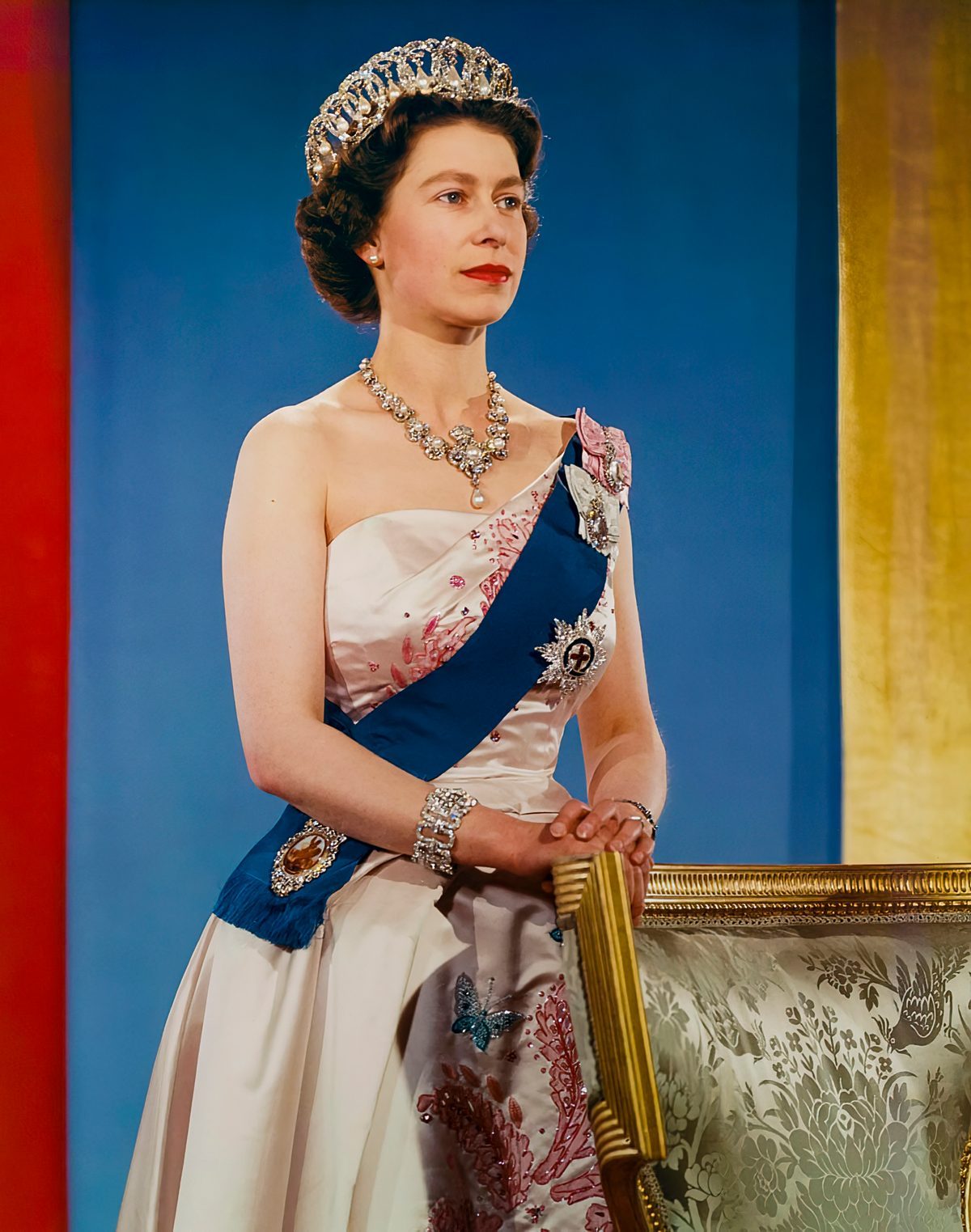
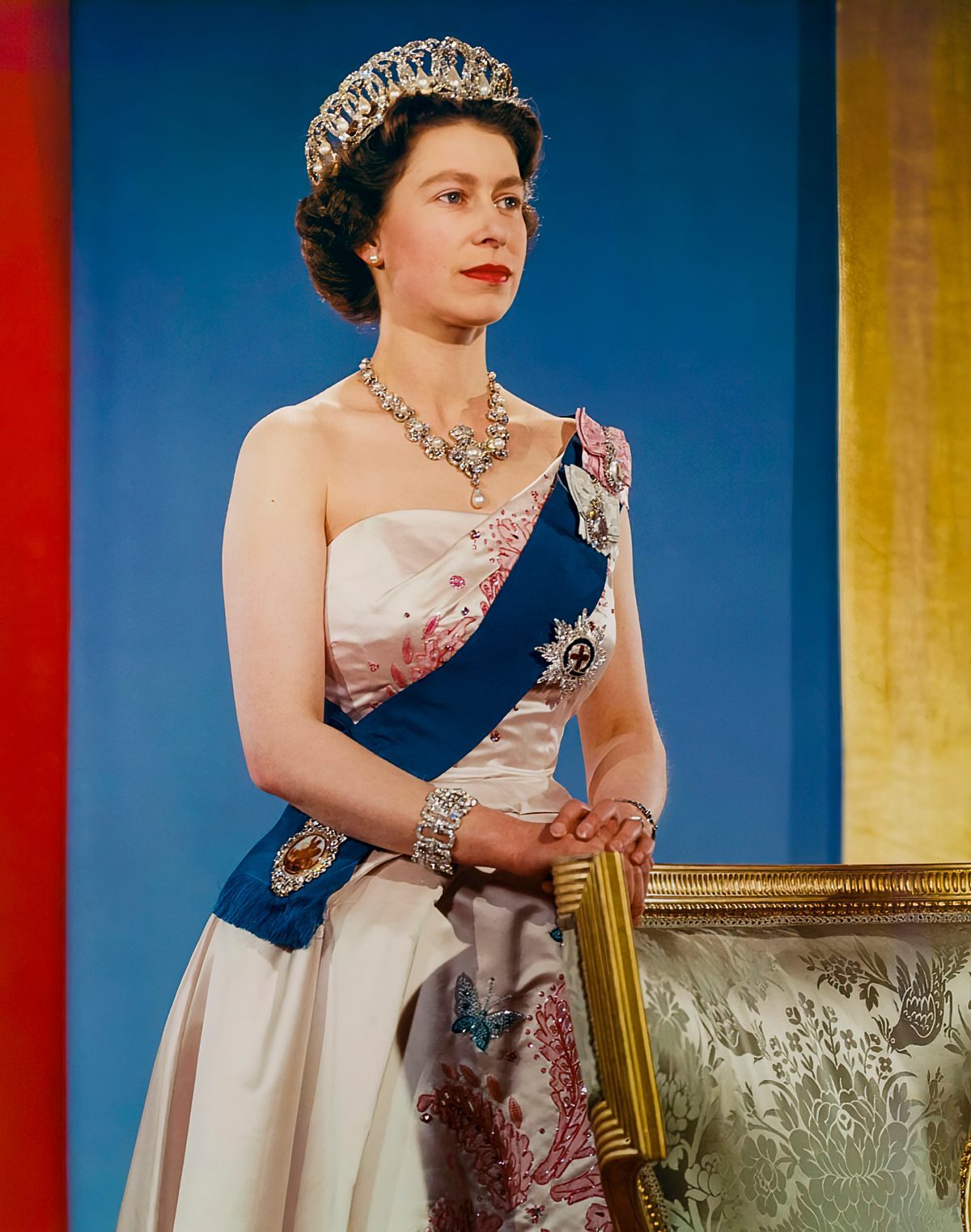
📷 Photo: Donald McKague. Public domain via Wikimedia Commons.