It was 1977, a year draped in festivity and adorned with silver, as Britain swayed to the rhythm of celebrating Queen Elizabeth II's Silver Jubilee. While the curtains of pomp and circumstance lifted across the nation, a quietly astonishing moment unfolded behind the facade of a modest Glasgow council estate. Imagine, if you will, the ordinary day of a family transformed by the extraordinary—a spontaneous visit from the Queen herself, requesting nothing more than simple hospitality, a seat at their humble kitchen table, and a cup of tea. The scene was as unassuming as it was unforgettable, capturing the timeless magnetism and evolving nature of the British monarchy.
The Silver Jubilee: A Nation in Celebration
In 1977, the entirety of the United Kingdom was a canvas painted with jubilation. The Silver Jubilee marked the 25th anniversary of Queen Elizabeth II's ascension to the throne—a reign that had seen the transformation of a nation and secured the Queen's image as a steadfast symbol of continuity and grace. Street parties bloomed like never before, echoing a collective mood of pride and patriotism. The day was not merely about pageantry, though the royal processions through thronging streets, the ceremonial salutes, and grand galas at Buckingham Palace painted a vivid picture for subjects and onlookers alike. It was a celebration that managed to touch the high and mighty, as well as the humblest of the Queen’s subjects.
During this sweeping tour of joy and nostalgia, Queen Elizabeth embarked on a UK-wide journey. Her itinerary was meticulously organized, each engagement planned with precision—a hallmark of her reign. Yet, amidst the dazzle, the Queen's spontaneity shone through, reminding the commonwealth that she still held a profound connection to her people.
A Moment of Humanity: An Unexpected Visit in Glasgow
On a typical June day in 1977, the Queen’s Silver Jubilee tour brought her to the bustling city of Glasgow. Known for its rich industrial history and vibrant cultural tapestry, Glasgow was a city of heart and resilience. It was here, among the streets of a quaint council estate, that the Queen’s car made an unscheduled stop—much to the confusion and delight of onlookers.
The inhabitants, a working-class family going about their daily lives, could scarcely believe their eyes as the Queen stepped out from her vehicle. In a move that was both disarmingly genuine and delightfully unexpected, she approached their door. As the door swung open, the family was met with a vision they'd only ever seen on currency and television: their monarch, standing before them, smiling warmly.
Legend has it that, once invited in, Her Majesty sat at their kitchen table, her demeanor utterly at ease. There was no royal entourage filling the room—just the hum of a kettle boiling on the stove, the clink of teacups, and conversation as lively as it was unpretentious. In that remarkable instant, any divide between sovereign and subject seemed to vanish, bridged by a shared cuppa and the universal grace of hospitality.
The People's Queen: Bridging High and Low
This spontaneous visit exemplified what many have come to admire about Queen Elizabeth II: her innate ability to bring the monarchy closer to the heart of the nation. Throughout her reign, she has embraced moments that break the formal protocol to reveal a monarch who values her people—an aspect that's lent her an enduring depth of popularity.
To understand the significance of that afternoon in Glasgow, one must look beyond the teaspoon and biscuit tin to the profound symbolism it carried. The Royal Family, although ensconced in tradition, had long faced challenges in balancing regal dignity with the need for modernization and relatability. Queen Elizabeth's seemingly simple acts of kindness—whether a surprise visit, a charming grin, or a thoughtfully crafted speech—served as gentle reminders that the monarchy, while historical, is also a living, breathing entity firmly rooted in the present.
Royal Visits: More Than Ceremony, A Testament to Shared History
Royal visits have become a stalwart tradition throughout the Queen's reign, often encapsulating the spirit of the age. Whether attending grand banquets or visiting schoolchildren, these appearances cultivate a sense of unity and continuity. In 1977, the Silver Jubilee tour served not only as a tribute to Elizabeth's years on the throne but also as a testament to a shared history woven from the fabric of both triumph and tribulation.
Her Majesty's unceremonious tea break in Glasgow pairs perfectly with her philosophy of service, demonstrating that the crown carries not only obligations of governance but also the quiet duty of kinship and connection. Such acts, though simple, reverberate with grandeur, carving indelible memories into the collective conscience. This surprise visit reinforced the Queen's role as a unifier, drawing threads of empathy through the nation's social tapestry one council house at a time.
Legacy and Reverberations: The Queen's Lasting Connection
As we reflect on Queen Elizabeth II's reign and her intrinsic approachability, it seems clear that moments like this underscore the monarchy's enduring relevance. The events of 1977 resonate with us today, providing a lens through which to view the camber of her service—a keen understanding of the delicate power of visibility and the grace found in humility.
The simplicity of that afternoon, with the Queen seated at a stranger's kitchen table, highlighted her ability to transcend the loftiness of her station. It stands as a powerful antidote to a world that often seems fragmented and disconnected, offering a reminder of shared human dignity and the common touch of royalty.
As the sands of time continue to flow, the British monarchy flourishes, in large part due to moments like the one in Glasgow—a moment where an unexpected request for tea served to bridge societies, inspire futures, and affirm the Queen's enduring legacy as a beacon of unity, service, and simple acts of kindness.
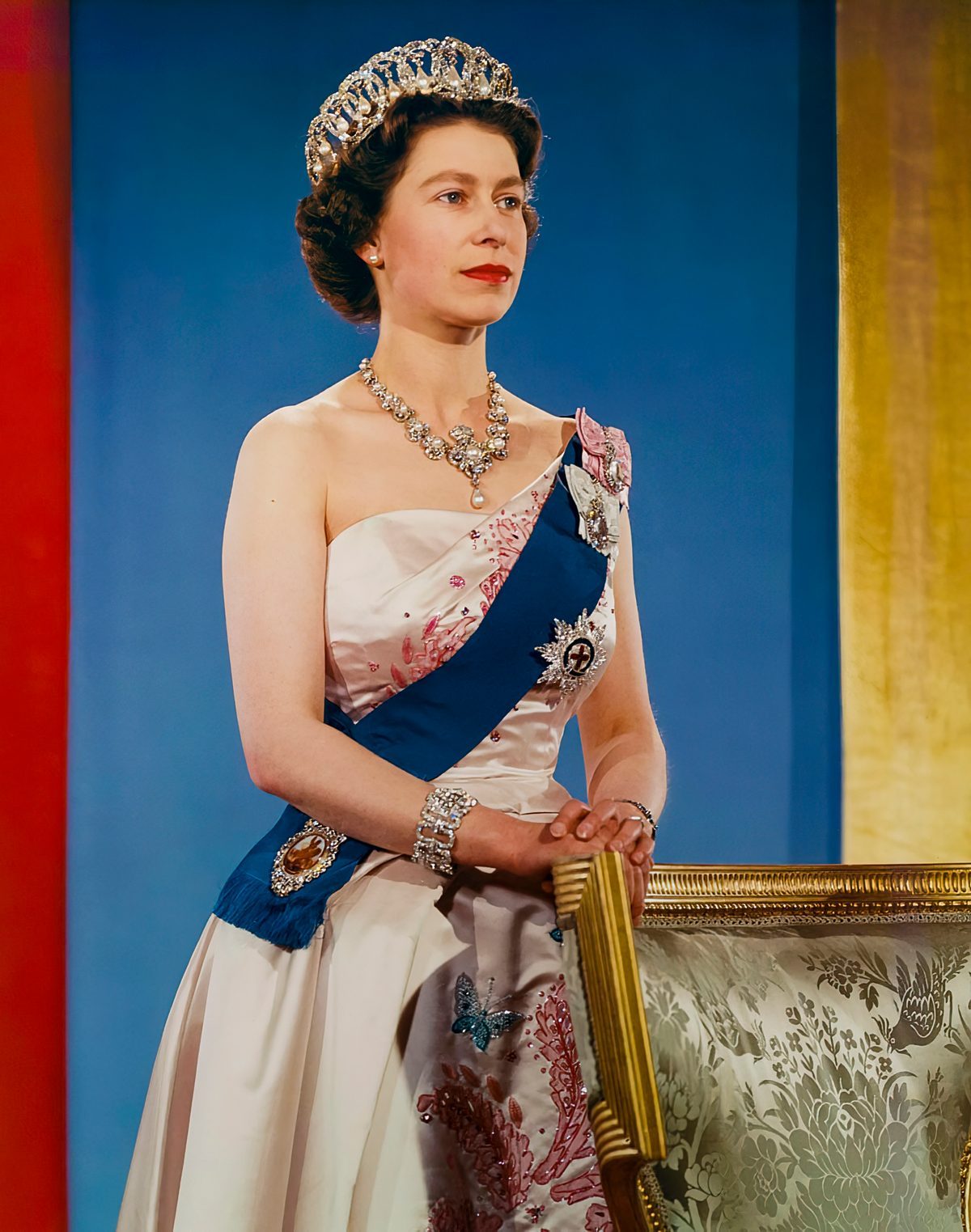
📷 Photo: Donald McKague. Public domain via Wikimedia Commons.