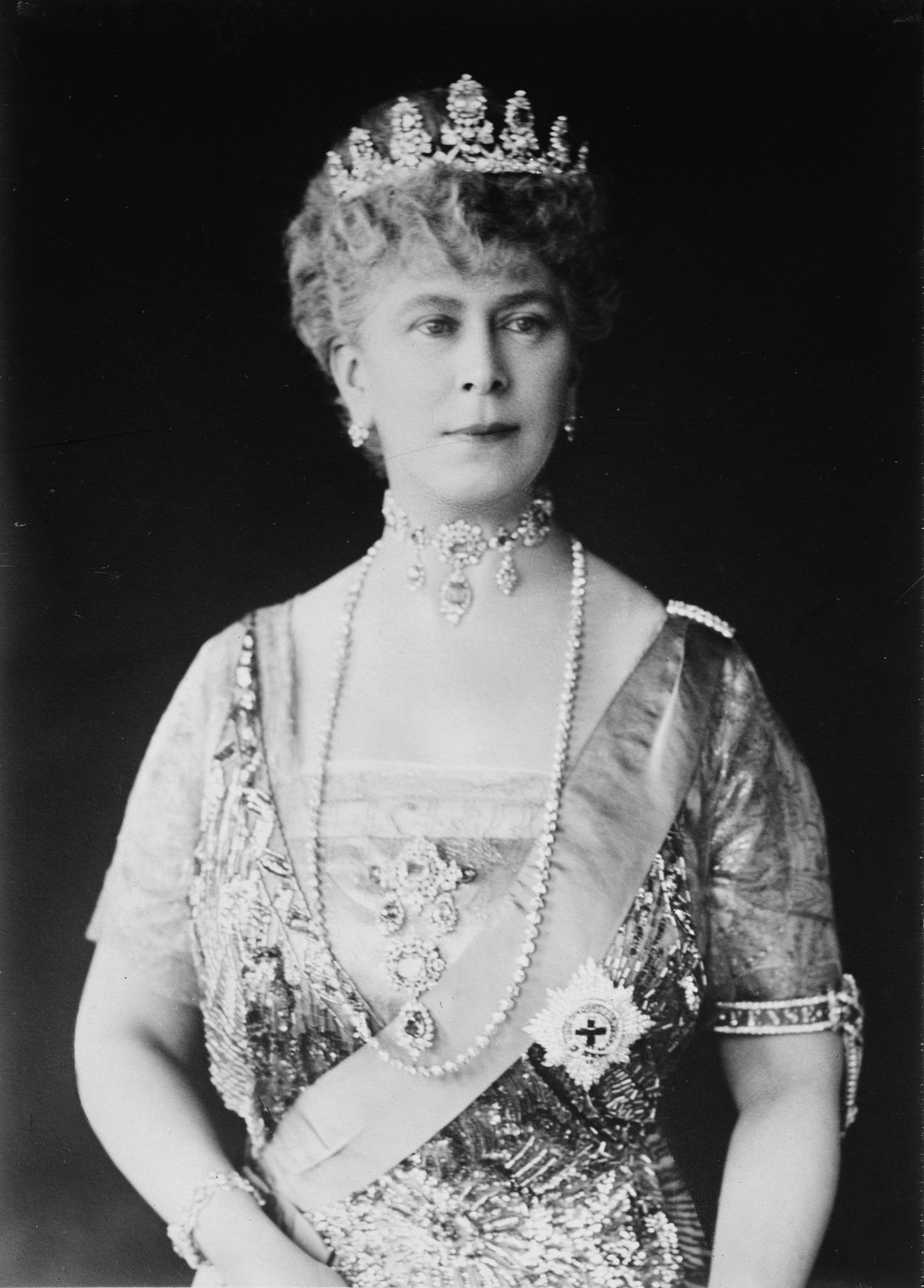
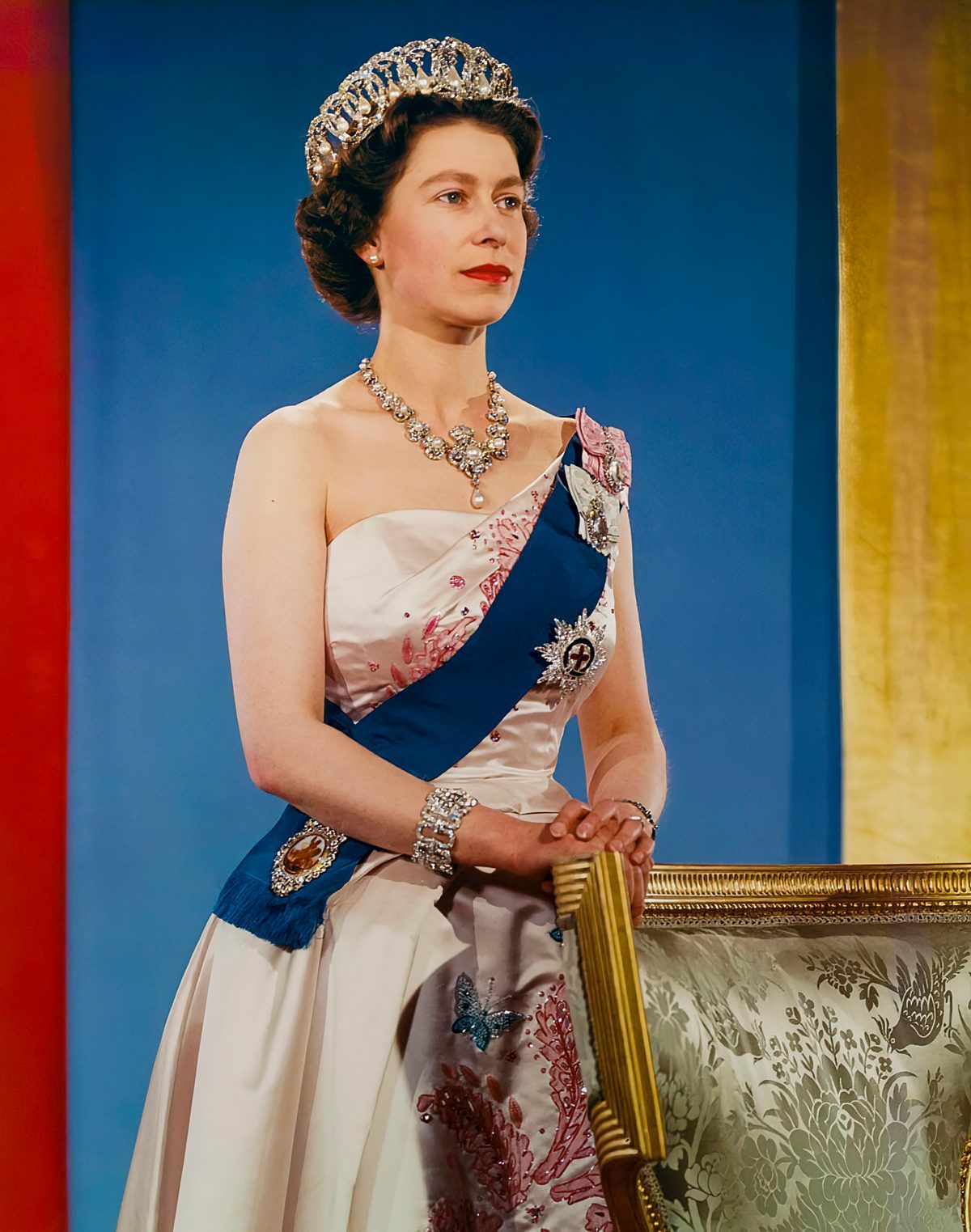
The morning of June 2, 1953, unfolded as one of history's most anticipated spectacles. The streets of London teemed with jubilant crowds, festooned with flags and bursting with patriotic fervor. The air crackled with excitement as the world turned its gaze toward Westminster Abbey. Yet within the quiet confines of Buckingham Palace, an intimate and profoundly human moment took place: a young woman, just 27 years old, prepared to bear the mantle of empire. Quietly, away from the expectation-laden glances, she fed her beloved corgis by hand. This was Queen Elizabeth II before her grand ascent, enjoying a final moment of stillness with her cherished companions.
A Quiet Morning Amidst Majesty
The grandeur of the coronation day was a bejeweled tapestry intricately woven over months of meticulous planning. Lush carriages, majestic horses, and a procession that rivaled all others in splendor — this was the grand pageant that awaited the unsuspecting world. Yet, few could have imagined the scene behind palace doors: a queen-to-be entangled in an intimate ritual, feeding her cherished corgis and contemplating the life ahead.
Elizabeth's love for corgis was legendary, a passion shared with her father, King George VI. She had grown up surrounded by these delightful creatures, and they were witnesses to her journey from a young princess to a queen-in-waiting. On this day, Elizabeth sought solace in the familiar, a calming presence before her transformation into Britain's steadfast sovereign.
An Unseen Side of Majesty
The royal family, often perceived through the polished lens of history, is rarely associated with the tender mundane moments of daily life. However, Elizabeth's early morning routine speaks volumes of her character — a bridge between duty and humanity. Here was a woman who, despite the expectations thrust upon her, retained a groundedness and warmth that she carried into her reign.
Elizabeth's moment of solitude on the morning of her coronation was emblematic: a quiet before the storm, a calm reaffirmation of her personal values amidst the swirling world of duty and tradition. These corgis, attentive and playful, provided a fleeting yet significant comfort.
Westminster's Glorious Stage
As the clock ticked forward, the atmosphere outside Buckingham Palace crackled with anticipation. Westminster Abbey, a bastion of royal tradition, stood ready to receive the young sovereign. The Abbey had witnessed the crowning of kings and queens over centuries, and under its majestic arches, the next chapter of the British monarchy was about to unfurl.
The procession to the Abbey was a grand affair. Adorned in the Royal robes and attended by her maids of honor, Elizabeth embarked on this historic journey. As the gold state coach wound its way through the crowded streets, the journey from a serene palace corridor to the pulpit of the world unfolded.
The ritual of coronation in all its ceremonial opulence, with the Crown Jewels glittering in the dim, vaulted ceilings of the Abbey, was a moment deeply steeped in tradition. Yet, the Queen, fresh from her quiet moment of reflection, approached the occasion with poise and a dedication that would define the rest of her reign.
The Weight of the Crown
Taking her place at the heart of the Abbey, Elizabeth epitomized grace under pressure. In the acclamation of "God Save the Queen," the weight of centuries of history descended, with the orb and sceptre symbolizing her newfound authority.
Yet, behind the regal facade, there was a woman cognizant of the expectations she shouldered. From that moment onward, she would become the embodiment of the monarchy, a living symbol of continuity and stability during an era of immense global change.
Throughout her life, anecdotes of similar intimate moments filtered through, sparking warmth and relatability to a figure often seen through a lens of formality. These glimpses affirmed that beneath the crown was a heart centered in compassion and connection.
A Legacy in Human Connection
Queen Elizabeth II's monarchy was marked by her ability to adapt to an ever-evolving world while steadfastly maintaining the dignity and continuity of the crown. Her reign, distinguished by subtlety and dedication, can perhaps be traced back to that quiet morning in 1953. It was then that she made a conscious decision to lead with both head and heart, showcasing the strength of vulnerability.
These humanizing moments endeared Elizabeth to millions, bridging the gap between the monarchy and the people. Her genuine interactions through the decades showcased the enduring impact of affection and authenticity, central tenets of her legacy.
Today, as we reflect on that transformative moment in history, we're reminded of the enduring relevance of the monarchy. It is not merely a relic of the past but a living, breathing embodiment of national identity and continuity. Queen Elizabeth's quiet morning heralded an era where the monarchy was not just an institution but a source of warmth, reassurance, and inspiration.
📷 Photo: Donald McKague. Public domain via Wikimedia Commons.