She was a queen of immense dignity and formidable reserve. Yet during the darkest years of the Second World War, Queen Mary sat quietly and knitted — not for ceremony, but for strangers in muddy trenches. Each pair of socks left her hands with a personal note tucked inside. Some men never forgot it.
The Monarch and Her Mission
War history often highlights the courage of soldiers on the battlefield, yet rarely does it capture such intimate acts of compassion from those in high places. Queen Mary, mother to King George VI, was known for her stately presence and impeccable sense of duty. Despite her reserved public image, it was during the Second World War that she quietly yet profoundly demonstrated the softer strength of the monarchy. While traditional royal roles shifted in response to the demands of war, Queen Mary crafted more than symbols; she produced actions of kindness that resonated through mud-soaked trenches across Europe.
Emanating from Buckingham Palace and Marlborough House, Queen Mary's efforts were not mere gestures of tradition. During a time when her royal sons were heavily involved with Britain's war strategy, Queen Mary found herself drawn to a task unbound by protocol: knitting socks for soldiers. Each pair, she ensured, bore the imperial warmth of her own hands and, more personally, an extraordinary letter of encouragement penned by Her Majesty herself.
From Yarn to the Front Lines
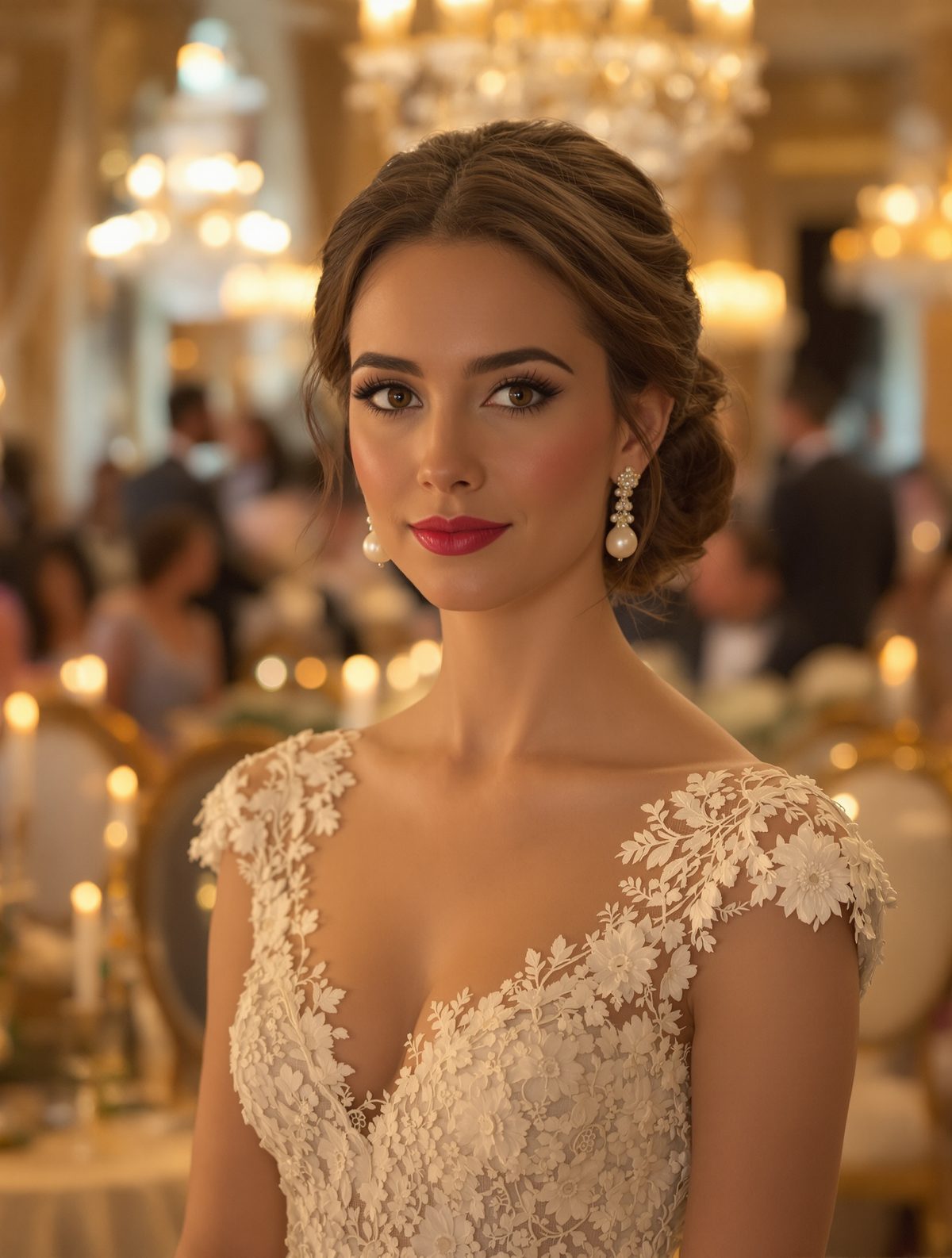
Inside the gilded walls of royal residences, one might imagine a scene of opulence and grandeur. However, Queen Mary had redefined her space, dedicating hours to knitting — a humble activity set against the shimmering backdrop of chandeliers. Adorned in her work attire of practicality rather than regalia, the Queen focused her energies into every loop and stitch, conscious of the importance of adaptability and resilience she embedded in each stitch. This tactile connection to war efforts was more than symbolic; it was genuinely humanizing.
These hand-knitted socks were not just garments but tokens of shared struggle. Soldiers receiving packages from Queen Mary found within not only much-needed warmth but a slice of thoughtful compassion. These acts of kindness were not piecemeal nor superficial, and their impact ripples even today. Described in letters and diaries by soldiers lucky enough to receive them, these socks came to symbolize courage, connection, and the love of a nation often conveyed through royal care.
Handwritten Comforts in Distant Battles
Each pair of socks included a handwritten note by Queen Mary, a personal and touching gesture that struck an indelible chord among the troops. One soldier described his joy upon receipt, amazed not simply by the thoughtful care package itself, but stunned by the knowledge that someone, somewhere cared deeply enough to craft it for him — not only someone but the Queen herself.
While time has naturally obscured some of the details around these stories, one account stands out. A soldier, having treasured his letter for over six decades, later revealed he considered it the kindest gesture ever afforded him. This poignant connection transcended the trappings and titles of royalty, speaking instead to a universal bond of humanity amidst the cruelty of war.
Sock by sock and note by note, Queen Mary's diligent work offered these young men not simply the comfort of a warm pair of socks but a momentary respite from the horrors surrounding them. In an era where news from home — any contact with normalcy — was paramount, her packages became bridges connecting the hearts and souls of ordinary Britons to their royal patron.
Royalty in the Age of Humanity
The threads spun by Queen Mary are illustrative of the monarchy’s capacity for warmth and personal involvement during the Second World War. Her actions serve as a testament to the roles royals can and do play amidst crisis. Even today, the British monarchy strives to balance alongside daily life, offering support and inspiration in countless ways unseen.
Queen Mary's sock knitting serves as a potent reminder of quiet heroism, akin to the extraordinary valor performed on battlefields. What makes this narrative particularly meaningful is not its grandiosity but its deeply personal nature. The Queen's genuine desire to contribute creates a legacy of effort and empathy, opening a legacy to younger royals continuing their own forms of outreach and support today.
Legacy Through Simple Acts
In the tapestry of royal history, these frayed, once vibrant pieces of yarn are a dazzling testament to the human side of queenship, a deeply empathetic side often hidden behind the façade of regal duties. They show us the power of extending care and the profound connection that simple, compassionate acts can forge — even from the loftiest of thrones.
Much has changed in the monarchy since those years, yet Queen Mary's humble act endures in collective memory as something more than an anecdote. Generations later, it reminds us of the ongoing relevance and the intertwining of tradition and modernity in our understanding of what it means to serve as royal. Through them, the past informs the aspirations of the present, echoing the promises of connection, duty, and, above all, humanity.
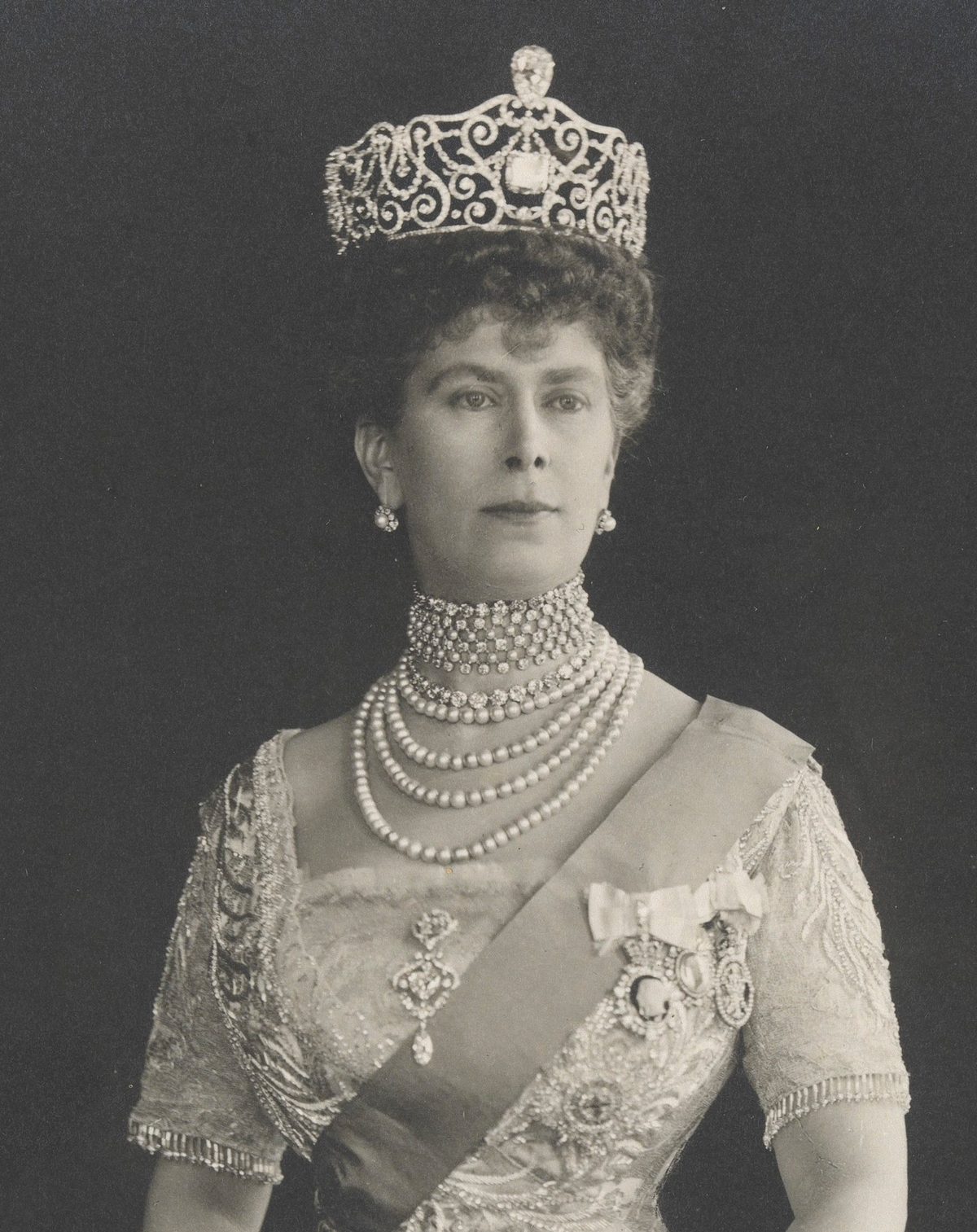
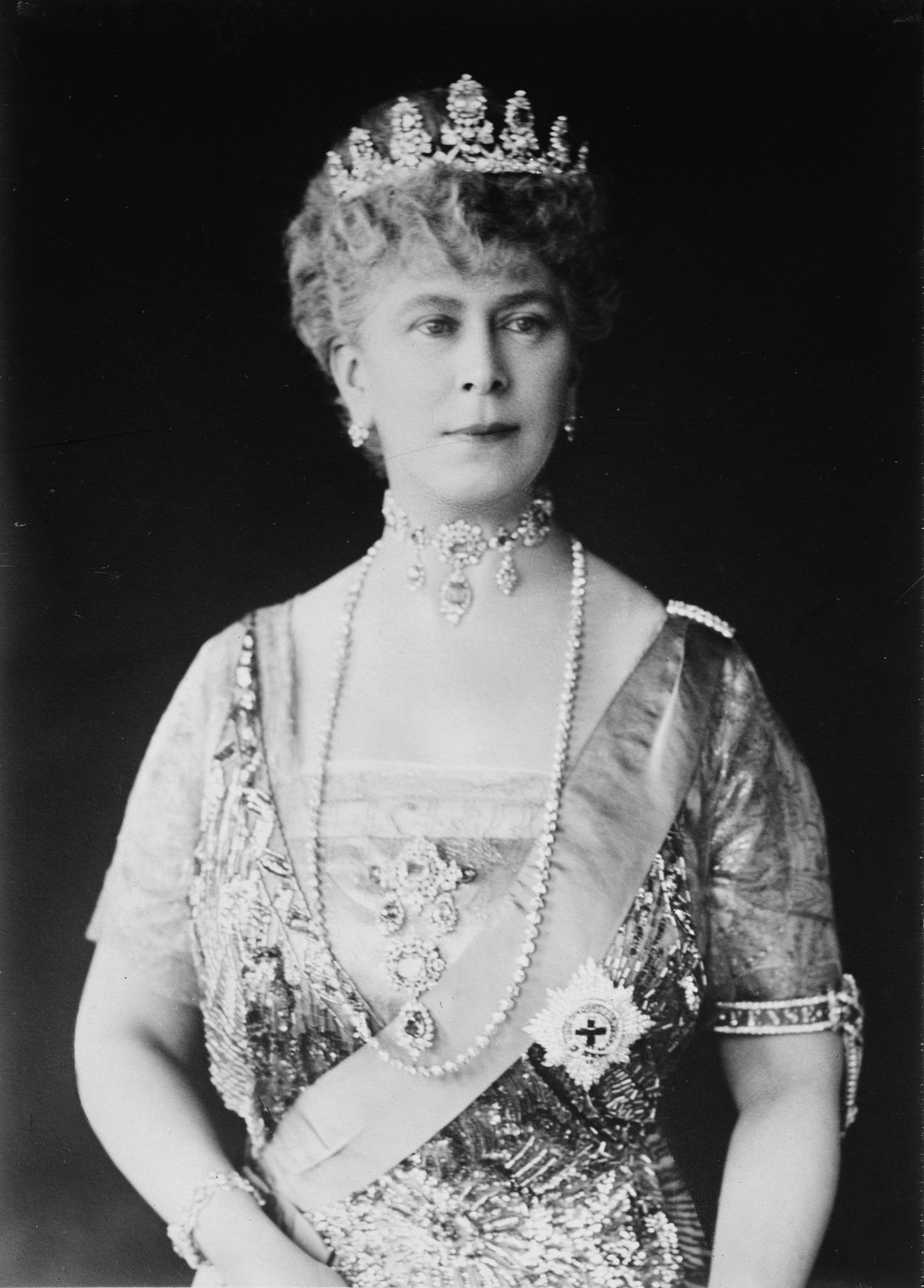
📷 Photo: W. & D. Downey. Public domain via Wikimedia Commons.