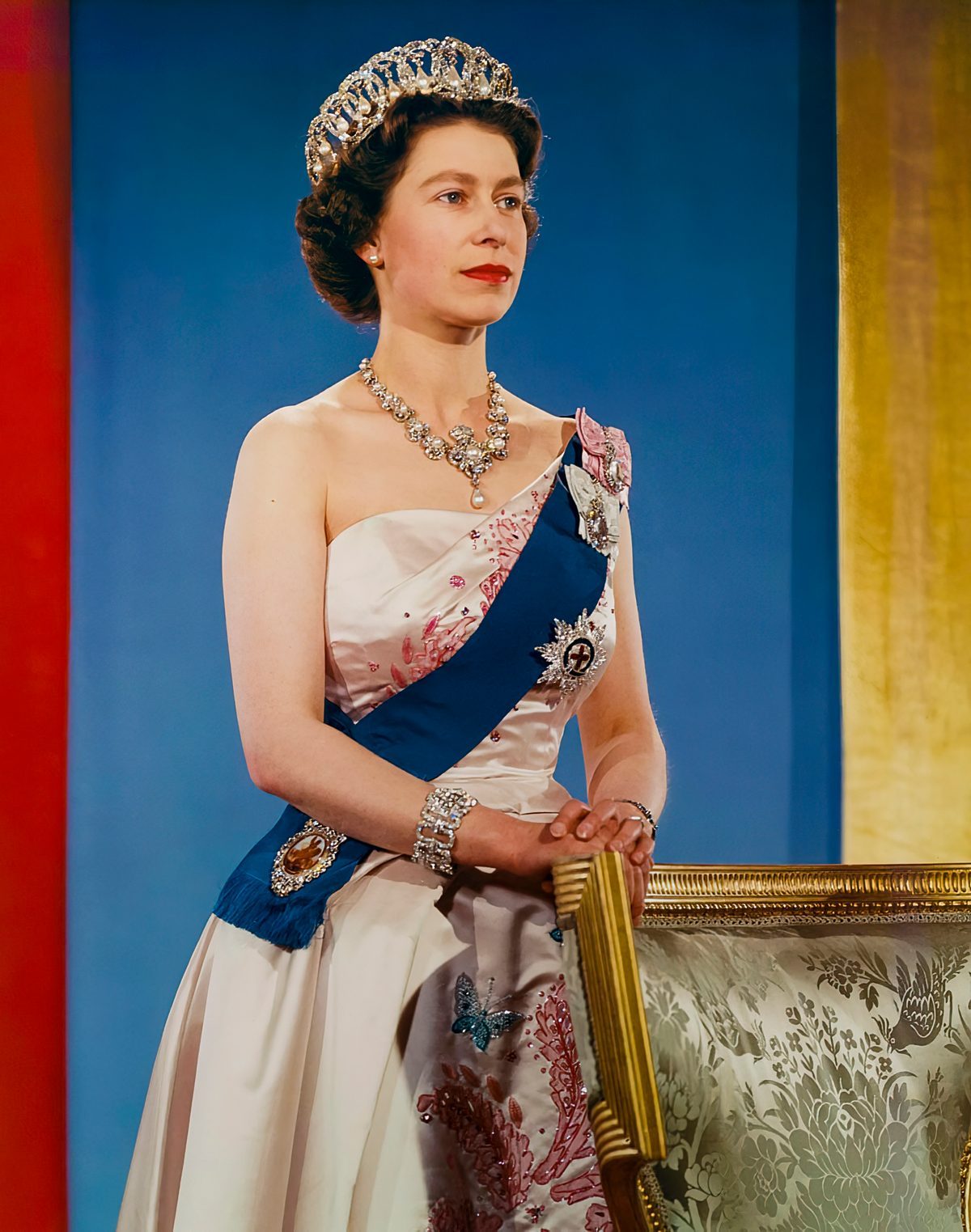
In 1945, Princess Elizabeth did something no royal heir had ever done. She put on a uniform, reported for duty, and learned to strip an engine like every other ATS recruit. She did not want special treatment. She wanted to earn it herself. As the world reeled from the aftermath of World War II, this act of service signaled not only a transformative shift in Elizabeth’s own life but also in the history of the British monarchy. As she donned the wartime Auxiliary Territorial Service (ATS) badge, she wore it with more pride than any crown and kept it close as a lifelong symbol of duty, resilience, and a deep-seated sense of equality.
The Uncommon Princess
In an era when women of her status could easily have remained ensconced in the comfort of royal privilege, Princess Elizabeth stood out as a beacon of determination and service. Her commitment to her country began not in a palace but on the front lines of wartime Britain. As the heir presumptive, she was expected to maintain a life of relative safety far from the din of the battlefield. Yet the young Elizabeth desired more than a sheltered existence.
Determined to do her part, Princess Elizabeth sought the approval of her father, King George VI, to join the military efforts to aid in the war. The king eventually agreed, illustrating a significant break from tradition. On February 24, 1945, Elizabeth was appointed as an honorary Second Subaltern in the Auxiliary Territorial Service—marking the first time a female member of the royal family actively served in the military.
Learning on Equal Ground
The decision to join the ATS, however, was just the beginning for Princess Elizabeth. Once enlisted, she insisted on receiving no preferential treatment—both in training and responsibilities. True to form, she rolled up her sleeves alongside her fellow recruits, swept into the rigorous courses designed to turn young women into capable army drivers and mechanics.
Elizabeth learned how to deconstruct and reconstruct engines, fix a flat tire, and handle the heavy vehicles that were essential for military transport. Her tenacity and skill won her not just the respect of her peers, but a promotion to Junior Commander within months of enlistment. While the sight of a royal covered in grease with a wrench in her hand may have seemed remarkable, for Elizabeth it was a clear representation of her belief in sharing the nation’s burdens—literally getting her hands dirty for the cause.
The Significance of the Badge
The ATS badge she proudly wore on her left sleeve could easily be mistaken as a small token of her service, but for Elizabeth, it was the embodiment of camaraderie and duty. The badge—a simple yet profound symbol—represented her connection with the people she served alongside and the collective efforts of women who supported the war in myriad, indispensable ways.
The ATS badge signified not just military service, but a vivid reminder that duty transcends title, wealth, and status. For Elizabeth, a royal sensibility began with recognizing and embracing this profound truth.
Throughout her life, Elizabeth often reflected on her time in the ATS as formative. It encapsulated her values of service and duty that she would bring to her role as queen—a commitment to country and people that would never waver. She carried that ATS badge forward not just as a reminder of her past but as a badge of honor in the truest sense.
A Modern Symbol
In a world that sometimes questions the relevance of monarchy, Queen Elizabeth II’s wartime service stands as an unmistakable testament to the timeless values of duty, resilience, and leadership. Her voluntary part in the ATS was more than ceremonial—it was deeply personal. Elizabeth saw herself not as a figurehead or distant symbol but as a servant leader devoted to her people.
While history books record her ascension to the throne and her storied reign, it’s the grit and heart displayed during her ATS days that resonate with modern generations. It is a reminder that even those born into privilege can—and should—empower others through actions and service.
Queen Elizabeth’s ATS badge, tucked away with respect among her royal regalia, remains a poignant reminder that true leadership is earned. It is lived through the rough, enlightening, and shared experiences with those whom one is destined to serve. In 1945, Elizabeth planted a seed of humility and dedication that would continue to blossom throughout her life, influencing the monarchy she admirably upheld until her passing.
The woman who learned to change her own oil and fix her own engines in the dusty terrains of wartime Britain exemplified a spirit of indomitable perseverance. As we remember her contributions, her enduring legacy urges all to consider how acts of courage and service, however humble, shape a world worth inheriting. In cherishing these stories, we not only honor the past but inspire the present and future generations to dream of a monarchy that ever evolves with grace and purpose.
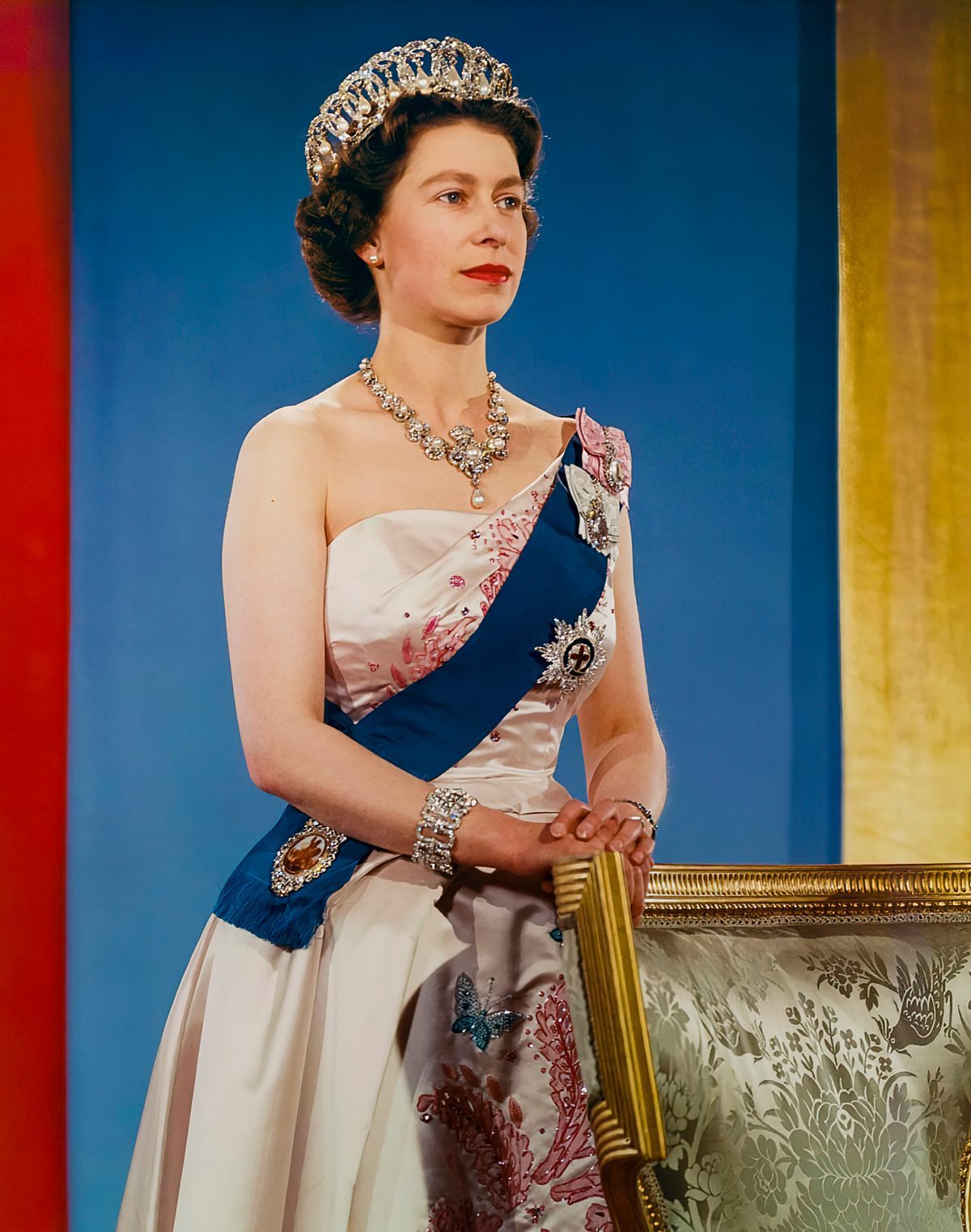
📷 Photo: Donald McKague. Public domain via Wikimedia Commons.