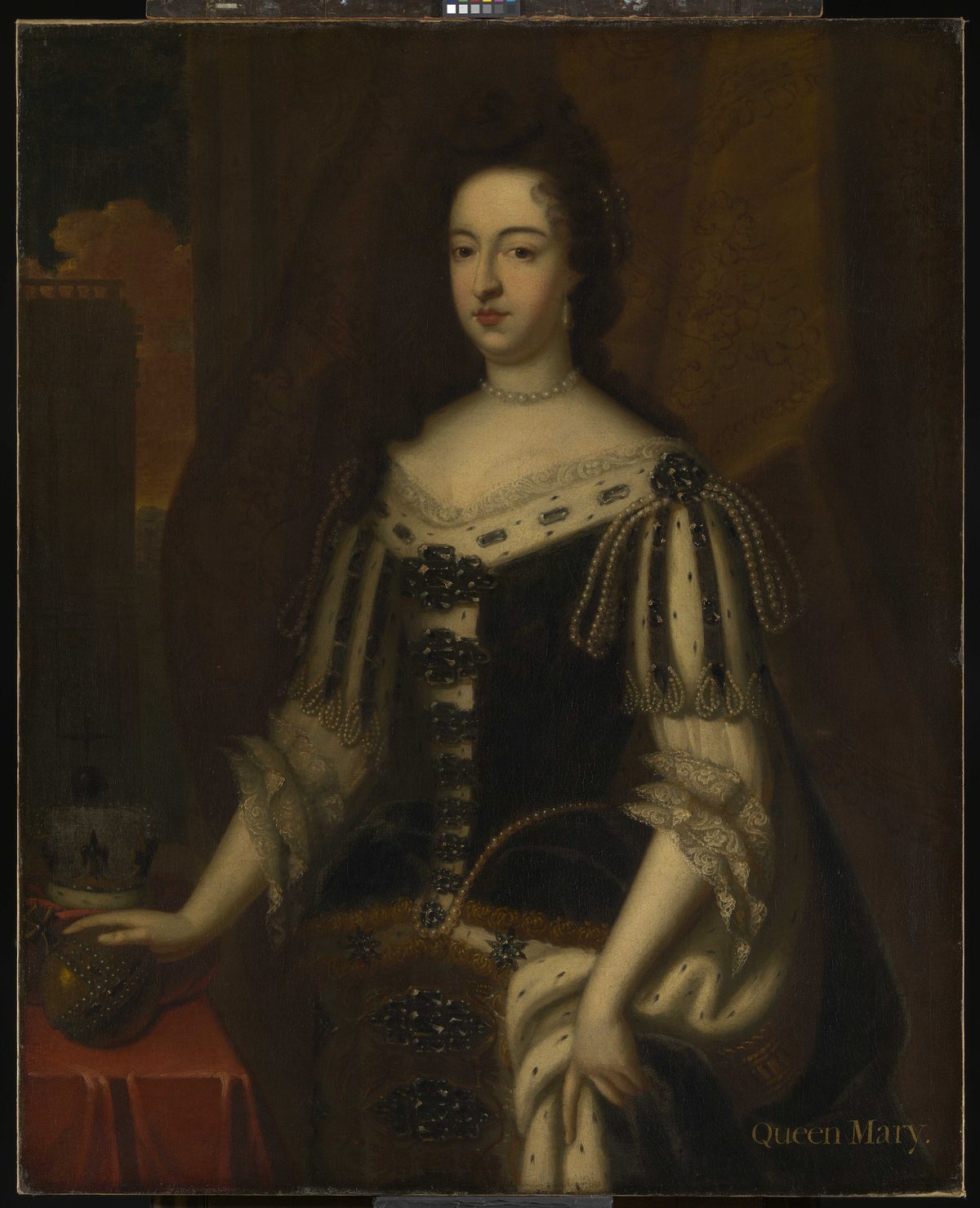
On a frigid February night in 1689, a somber silence cloaked London. The city, always alive with the chatter of its bustling streets, seemed to absorb the gravity of transition. Mary II, the daughter of the last Catholic monarch of England, James II, faced a deeply personal and wrenching choice. To ascend to the throne, she had to consent to her father’s permanent exile. The grandeur of the crown lay tainted by the pain of a daughter's love for her father. Beneath the opulence of her royal surroundings, alone in the dim glow of candlelight, Mary wept for hours. Her heart ached, torn between duty and devotion. As dawn broke, she signed her father's fate into exile — an act that would permanently intertwine her reign with a profound personal sorrow.
The Turbulent Path to the Throne
To grasp the weight of Mary II’s decision, one must first understand the turbulence of the time. The late 17th century was a period of great upheaval in England, where religious and political tensions brimmed beneath the surface. James II's reign, characterized by his overt Catholicism in a Protestant-dominated England, had alarmed many. His efforts to promote Catholic interests spurred fears of a Catholic monarchy, leading to the Glorious Revolution of 1688 — a largely bloodless coup that sought to secure a Protestant succession.
With Protestant sentiments running high, the invitation to Mary and her husband, William of Orange, was both politically strategic and inevitable. Though she loved her father, her loyalties were complex. Raised Protestant due to her mother's influence, Mary understood the broader implications of her acceptance. It was not merely about personal ascension; it was a maneuver to stabilize a nation on the brink of religious conflict.
The Night Before: A Daughter's Despair
Accounts of that night in February reveal a woman of deep empathy and internal conflict. Contrary to the image of a calculated aristocrat eager for power, Mary was profoundly distressed by the thought of her father's downfall. Historians note that she secluded herself in her chambers, her sobs echoing through the corridors of the palace. This moment, steeped in personal anguish, reveals the humanity often obscured by royal titles and responsibilities.
While political necessity dictated her actions, Mary’s heart remained tethered to her father. Her tears reflected the irreconcilable clash between familial love and sovereign duty. The painful decision also underscored the weight of monarchy — a lifetime defined by sacrifices for the sake of one’s people. Her weeping was not just for her father, but for the loss of personal innocence as she stepped into a role that demanded relentless resolve and resilience.
Court Intrigues and Reconciliations
The royal court during this era was a mosaic of traditions, ambitions, and allegiances. Mary and William’s coronation as joint monarchs on April 11, 1689, was a carefully orchestrated affair — a blend of ritual and political symbolism designed to legitimize their rule. The presence of key figures, including members of the House of Commons and Lords, reflected the collaborative nature of England’s constitutional monarchy evolving at the time.
Yet, beneath the surface of regal ceremonies, court life was rife with intrigue. Mary, known for her grace and intelligence, navigated these intricacies with acuity. Her ability to reconcile and manage factions that opposed her father’s reign was crucial. She sought to heal divisions, both within her family and among her subjects, to strengthen the fragile stability of her new domain.
The Legacy of Queen Mary II
Mary II’s reign, though shared with her husband William III, was marked by significant progress and challenges. Together, they recognized the Bill of Rights 1689, a cornerstone of British constitutional law that curtailed royal prerogative and set forth rights that favored parliamentary power. Despite the initial turmoil, Mary's dedication to England's Protestant establishment and her effective sovereignty garnered respect and admiration.
Yet, her reign was not without its personal pain. The decision to sign her father’s exile haunted her, casting a shadow over her accomplishments. Her life is a poignant reminder of the burdens carried by those born into royalty. A motherless daughter at 15, a reluctant successor, and a ruler who knew laughter and tears in almost equal measure, Mary’s inner world was as intricate as the tapestries that adorned her palatial homes.
Reflecting on Royal Sacrifices
In contemplating Mary II's story today, we find resonant themes applicable to contemporary discussions of duty, legacy, and familial bonds. At a time when the monarchy is often under scrutiny, her life underscores the profound, often unspoken sacrifices made in service to a greater good. Mary's tears signified not weakness, but unwavering strength to choose what was considered best for her people over personal desires.
In her sorrow and strength, Mary II exemplifies the enduring complexities of royal life. She reminds us that behind the ornate gates and resplendent crowns, royals are humans bound by the same complexities of love, duty, and sacrifice. And so, in their stories, we find a reflection of our own — endlessly fascinating for their grandeur, yet deeply relatable in their humanity.
📷 Photo: Godfrey Kneller. Public domain via Wikimedia Commons.