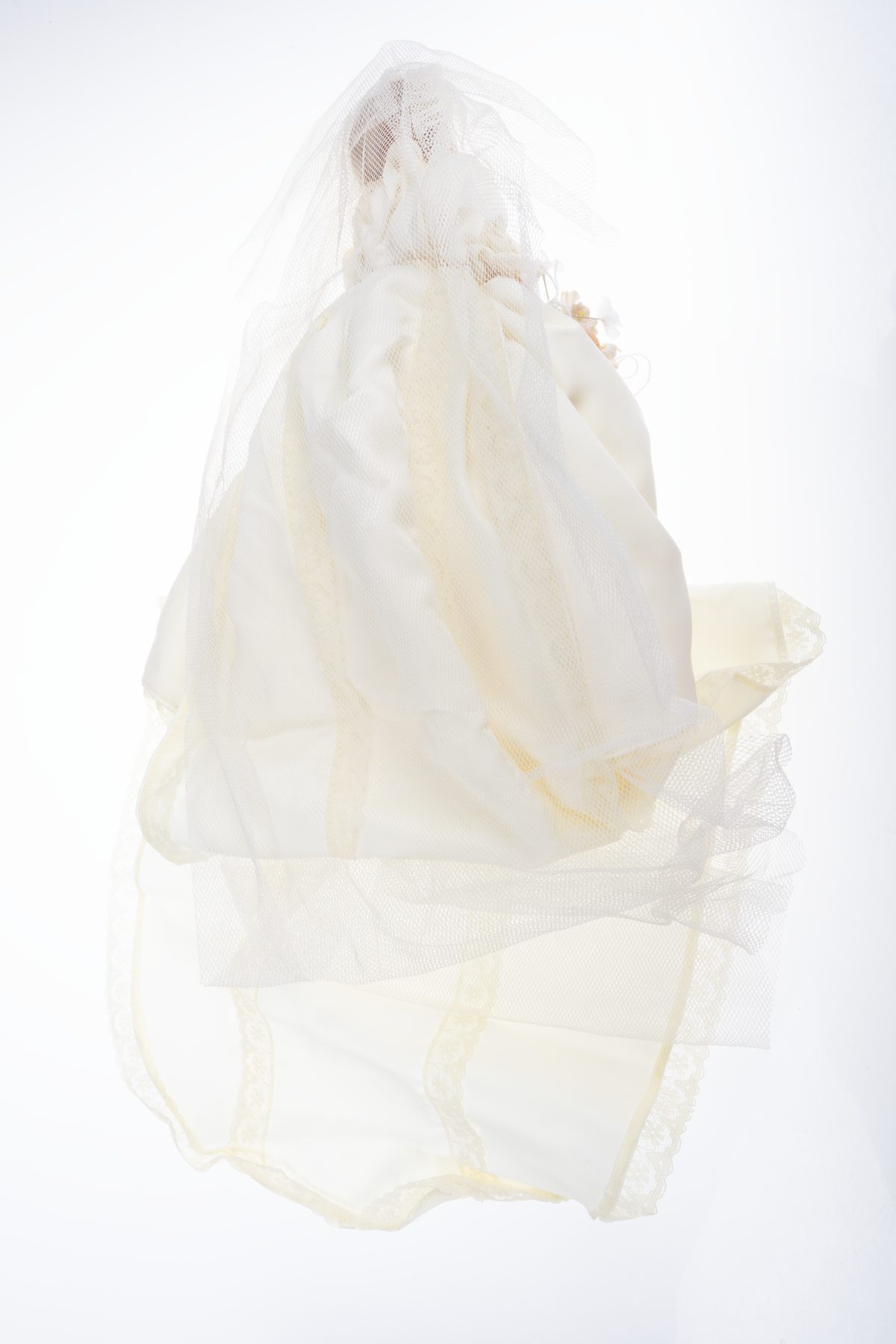
While Buckingham Palace issued wartime statements, Queen Mary quietly picked up a needle. In 1940, she began making rag dolls by hand and sending them to girls made homeless by the Blitz. No press release accompanied them. Just a small, handmade toy from a queen who understood that sometimes comfort fits in a child's arms.
An Unexpected Royal Act: Stitches of Hope
In the midst of the Second World War, as much of London lay in ruins due to relentless bombings, the British monarchy represented both a beacon of stability and a source of comfort for the nation. Yet beyond the formal addresses and stately duties, Queen Mary, the consort of the late King George V, engaged in an act of personal solace — an endeavor that would forge a quiet but powerful bond between her and the youngest victims of the Blitz.
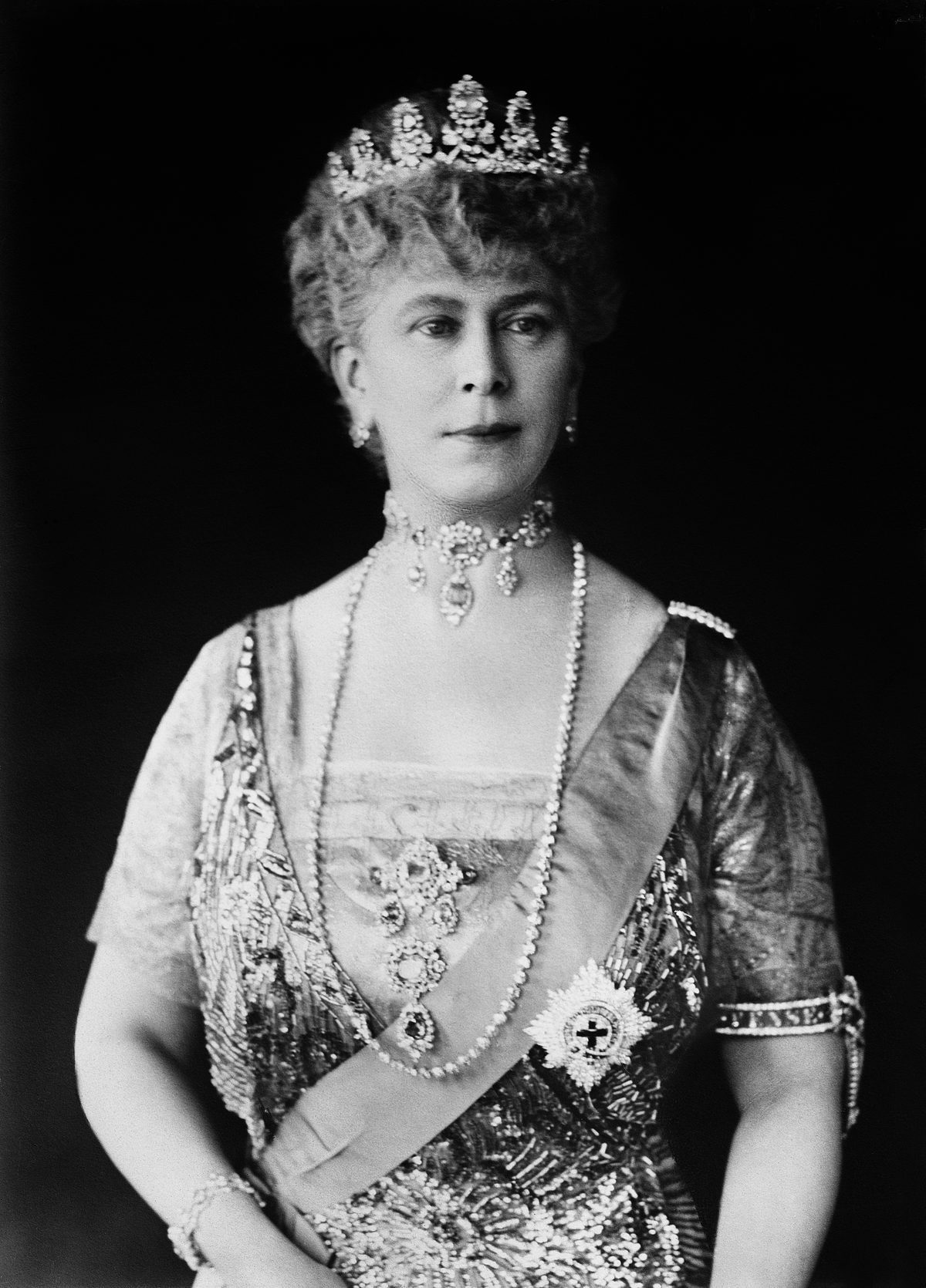
Queen Mary, known for her dignified demeanor and devotion to the Empire, was often seen as distant, but beneath her regal exterior lay a tender, maternal spirit. In 1940, London was embroiled in chaos. Families were torn apart, homes reduced to rubble, and many children experienced the sharp sting of loss. It was during this period of relentless airborne assaults that Queen Mary chose to express her compassion in an unexpected and deeply personal way: by sewing rag dolls by hand for the youngest and most innocent victims.
Threads of a Mother's Love
The image of Queen Mary, needle in hand amidst the ornamented halls of her residence, paints a vivid contrast to the opulence typically associated with the monarchy. Each stitch she carefully placed was a symbol of empathy and understanding, a tangible reminder that even in times of despair, moments of simple joy could be nurtured.
The idea of fashioning dolls stemmed not merely from tradition — as she recalled the comfort such toys brought her own children — but from a spontaneous desire to extend solace during London's bleakest hours. It was said that these rag dolls, lovingly crafted without flourish or fanfare, were quietly dispatched to young girls who had been dragged from the familiarity of their homes into the harsh reality of evacuation centers and shelters.
A Connection Forged in Tragedy
For the recipients, these dolls were far more than mere playthings. They became cherished icons of hope and resilience, treasures to clutch during long, dark nights when the air-raid sirens howled, and the ground shook with each bomb that fell. In their plush confines lay a silent dialogue, a wordless promise from a queen to her people — a reminder that amidst the vastness of her realm, the individual sorrows of her subjects were profoundly felt.
These moments of connection also speak volumes about the monarchy's ability to bridge divides between a royal figure and her people. The absence of pomp and ceremony allowed these small gestures to resonate even more deeply, reflecting Queen Mary's intuitive understanding of the human need for reassurance and continuity, particularly amidst the chaos of war.
Unseen Acts of Kindness in Troubled Times
Queen Mary's initiative was never meant for public consumption or political gain. In fact, it remained largely unpublicized, quietly slipping into the folds of history until later recounted in personal anecdotes and royal biographical footnotes. In an era heavily steered by propaganda and media influence, the queen's silent, handcrafted gifts were a poignant reminder that the most meaningful acts of kindness often occur without an audience.
As the British monarchy's symbolic strength continued to evolve amidst wartime, Queen Mary’s rare blend of humility and quiet determination shone through. Her actions revealed another layer to the institution she represented — an institution often viewed solely through the lens of grandeur and tradition, yet deeply tethered to the personal experiences and hardships of its people.
A Legacy of Compassion and Connectivity
Today, the British monarchy continues to serve as a cornerstone of cultural heritage and national unity. It is the personal stories from its ranks, like that of Queen Mary’s rag dolls, that continually renew the public’s affection and admiration. These dolls, though simple in design, bore profound significance — not only as a humanitarian gesture but as a testament to the enduring spirit that defines the British Isles.
In remembering Queen Mary's quiet commitment, we recognize the power of understated acts of generosity — the heartwarming human moments that transcend generations. The story of her handmade dolls thus continues to inspire, serving as a gentle reminder that in times of turmoil, a single thread of kindness can sew immeasurable comfort and hope.
📷 Photo: Bain News Service; this edit (clean up, contrast & sharpness, slight crop and downsample) by mixpix 23:28, 5 January 2008 (UTC). Public domain via Wikimedia Commons.