She had not come to dazzle. She had come to listen. But when Princess Diana stepped into the Oslo concert hall in the winter of 1992, wearing a column of midnight blue silk and her mother's diamonds, every conversation in the room simply ceased. Fashion had never felt less like vanity.
The Stage of Humanitarian Majesty
Oslo, December 1992 — the chill in the air had sent snowflakes dancing about the streets like graceful ballerinas. Inside the concert hall, anticipation buzzed through the crowd attending a prestigious gala following the Nobel Peace Prize ceremony. The event usually spotlighted the laureates, but this evening, an unexpected star had returned to the global stage — Princess Diana. Known for her commitment to humanitarian causes, she arrived without pretense or the usual fanfare. Her presence wasn't about glitz, but about solidarity with Nelson Mandela and others whose voices she had come to amplify.
A whisper on the lips of royal-watchers had speculated about her appearance, yet Diana slipped in as someone might drift into a dream. She chose a gown that would become as storied as the occasion itself. Designed by Catherine Walker, her frequent collaborator and trusted friend, it was an exquisite study in understated elegance — a rich midnight blue silk that clung to Diana’s form with statuesque grace. The gown created a backdrop for borrowed diamonds, glistening like stars in a clear, winter sky. With impeccable poise, Diana transformed fashion from the superficial into the symbolic.
A Gown and Its Maker
The woman behind the gown, Catherine Walker, had been a guiding figure in Diana's fashion evolution. A favorite since the early 1980s, Walker understood the balance between formality and fluidity, crafting garments that echoed Diana's public spirit and newfound independence. Walker’s approach was more than merely sartorial; she created clothes that told a story, whispering of the wearer's confidence and character. This particular gown was no different. Its simplicity was its triumph, a quiet echo of Diana's decorum and dedication to humanitarian causes.
For the royal wardrobe, especially in a post-separation era post-1992, Diana walked a line between royal tradition and personal expression. While some dresses got associated with sparkling galas and charity fundraisers, others, like the renowned Elvis dress by designer Catherine Walker, or the black 'revenge' dress appeared during pivotal, more personal moments. The Norwegian gala gown was tailored as a testimony to her humility and her deeper connection to causes that spoke to her heart.
A Cinch of Context
The year of Diana's visit to Oslo marked the end of an era defined by appearances. Since her marriage breakdown had become public, each choice — personal and sartorial — was scrutinized under media microscopes. Despite personal trials, Diana's altruism had never faltered. Her efforts to support various charities, especially those emphasizing social justice, health, and youth issues, had gained her global admiration. She had taken her royal privilege and turned it into a tool for advocacy, making Buckingham Palace's influence felt in shelters and aid stations worldwide.
Her Oslo appearance wasn't merely fashion marking a moment; it was the warmth of a princess engaging with the world earnestly, using her profile for purposes more significant than herself. Her ability to capture celebrity-like allure while remaining relatable was quintessentially Diana. Embracing her mother’s diamonds, she intertwined family heritage with the mantle of monarchy, creating a symbol of continuity amidst change. Her entrance that evening wasn't scripted, yet it weaved its own kind of magic — transcending fabric, royalty, and more.
An Enduring Legacy in Silk
Princess Diana’s midnight blue gown in Oslo remains a legend draped between elegance and empathy. Reflecting upon Diana's life under the royal lens, it becomes apparent that she didn't rely on mere crown jewels to shine. Her spark, rather, came from the human connections she fostered, made visible under television lights but rooted deeper in genuine care. In many ways, her choice of evening wear was magic wand and armor alike — softening the harsh gaze of public life yet fortifying her resolve.
Almost three decades later, the gown stands not only as a fabled garment but as a lovingly preserved thread in Diana's tale — a story where style met sincerity. Diana's elegance was timeless, resonating with modern royals like Catherine, the Princess of Wales, echoing subtle notes of Diana's legacy through poise and purpose.
Revisting this gala, one realizes that fashion isn't just about a moment's applause, but a reminder that the past is always present, weaving tales through silk and diamonds as much as deeds and dreams. As Diana herself once said in supporting others: "You can give without loving, but you can never love without giving." The midnight blue gown indeed gave us a vision of royalty at its humanitarian best.
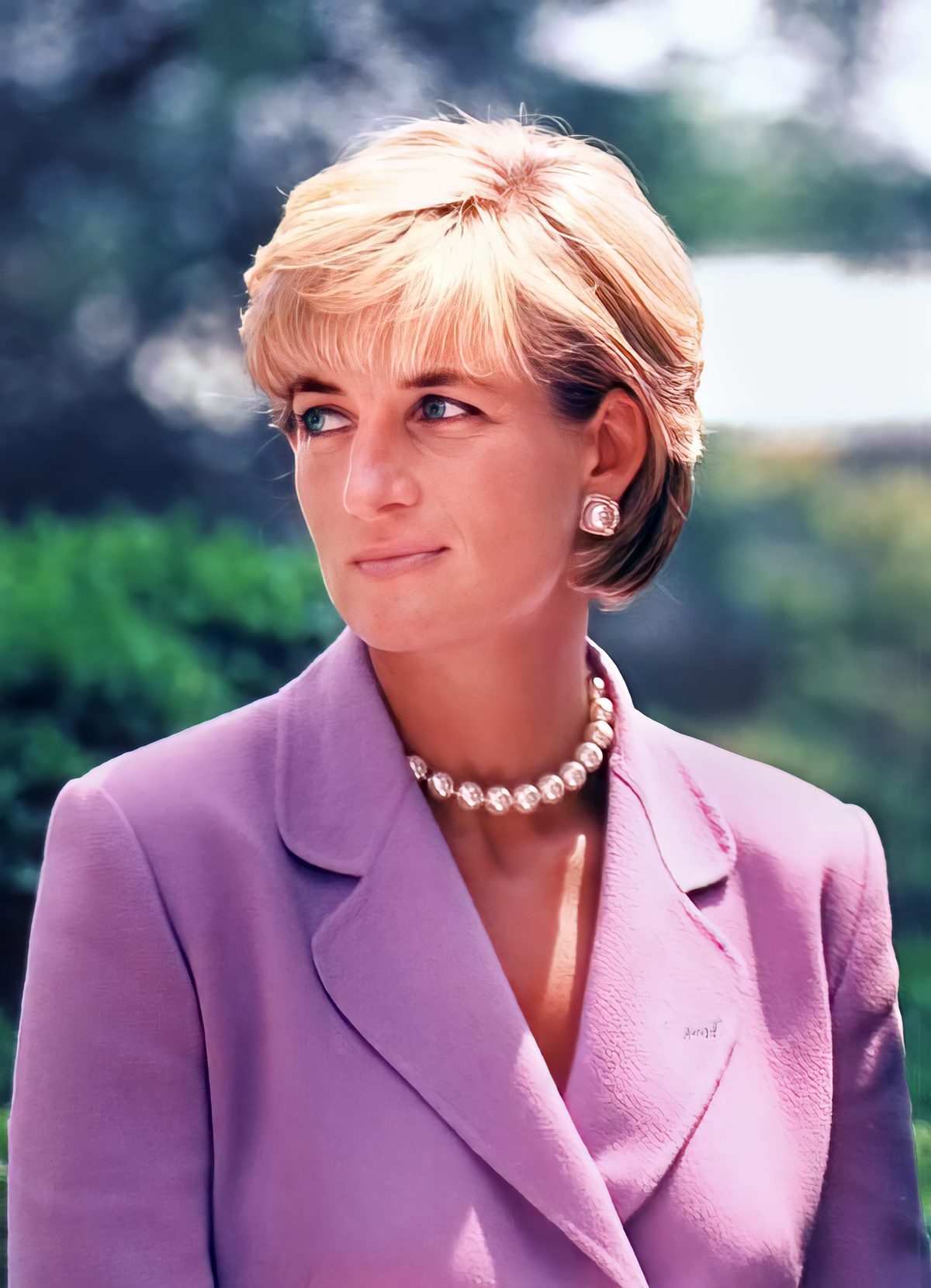
📷 Photo: L.H and H. Public domain via Wikimedia Commons.