Once upon a sunny morning in May 1861, when all of Britain prepared to celebrate the birthday of Queen Victoria with the usual splendor and gaiety, the corridors of Buckingham Palace were shrouded in a solemn, unseasonable quiet. Known for the lavish celebrations that marked her birthdays, this year, the Queen donned a simple black mourning dress, casting aside the traditional opulent adornments that were expected. Her reason was both deeply personal and poignant — her beloved husband, Prince Albert, was gravely ill. The image of Victoria seated at his bedside, foregoing the grandeurs of royal celebration, marked the beginning of an era of enduring sorrow for the British monarchy.
The Expected Jubilations of a Royal Birthday
The Victorian court was renowned for its fondness for grandeur and celebration, especially on occasions as notable as the Queen’s birthday. May 24 was typically a day of parades, music, and fireworks, with the entire nation joining in festive homage to their sovereign. It was a day when the rigors of royal duties receded into the background, giving way to a more light-hearted commemoration of Victoria’s role as a beloved matriarch to both her family and her subjects.
In those days, the expectations were steeped in tradition. The birthday of Queen Victoria, a woman who had already reigned for over two decades, was typically marked by the kind of splendid display synonymous with her era — the splendor of the British Empire itself. Diamonds, pearls, and silks were standard fare, sparking in competition with the fireworks that lit up the evening sky. Yet, little did Britain know that 1861 would spell a stark exception to this joyous norm.
The Shadow of Albert’s Illness
By the early months of 1861, Prince Albert, the diligent and intellectual consort who had so faithfully stood by the young queen both publicly and privately, began to show signs of deteriorating health. His decline was gradual, yet undeniable, casting a growing shadow over the daily routines of court life.
Albert had been instrumental not only as a supportive husband but as a vital force behind several royal initiatives. His astute political mind and progressive vision had helped steer the monarchy into modernity. However, by May, his illness — a mystery initially — was causing profound concern. It was evident to those closest to him that Albert’s vitality was waning, and alongside it, the sparkle that the Queen normally radiated during her birthday celebrations.
The Wearing of Black
As her birthday approached, Queen Victoria made a poignant decision: there would be no celebrations. No gallant display or elaborate parades. Instead, she chose to wear black, the solemn symbol of mourning, a shade in stark contrast to the customary hues of festivity. This choice spoke volumes about her priorities and the depth of her devotion to Albert.
Victoria's resolute presence at Albert’s bedside highlighted her profound commitment to him. She prioritized her role as a wife over that of the queen, providing comfort and companionship as he faced his uncertain prognosis. Images of queens draped in jewels and vibrant silks gave way to the singular image of a wife sitting quietly beside her husband, dressed in unadorned mourning attire. The narrative of a strong queen was replaced, albeit temporarily, by that of a deeply devoted spouse.
A New Chapter of Personal Sorrow
The fateful day when Victoria chose black over ballrooms became a prelude to the deepest sorrow of her life. By December of that year, Prince Albert had passed away, leaving the Queen heartbroken. His death marked the beginning of Victoria’s enduring grief, a mourning that would pervade the rest of her life and reign.
Queen Victoria never celebrated her birthday with the same grandeur again. The absence of Albert was a void too significant for joy to completely fill. For the remainder of her reign, her birthday was observed with quiet dignity rather than public spectacle, reflecting her own personal journey through grief and duty.
The Legacy of a Queen’s Grief and Resilience
Victoria’s choice to surrender pomp for personal devotion was emblematic of broader themes within her reign. It was a testament to the inseparability of her role as a monarch and her role as a deeply loving wife. Her visible demotion of her own desires for the sake of her husband’s well-being was a poignant reminder of the human aspects of those who wear crowns.
Today, Queen Victoria's life and legacy continue to captivate royal enthusiasts, historians, and admirers the world over. Her reign had its grandeur, its trials, and certainly moments of profound personal sadness. Yet, it also illustrated the complexity of monarchy — a tapestry woven with unyielding duty and rich personal emotion.
By choosing the humble path of mourning on her birthday in 1861, Victoria set a legacy of resilience and duty to her family that would resonate throughout the royal families to come. Her personal story reminds us that even amidst the grandeur of the crown, often the most compelling tales are those of human connection, emotional strength, and devotion that transcend the passage of time.
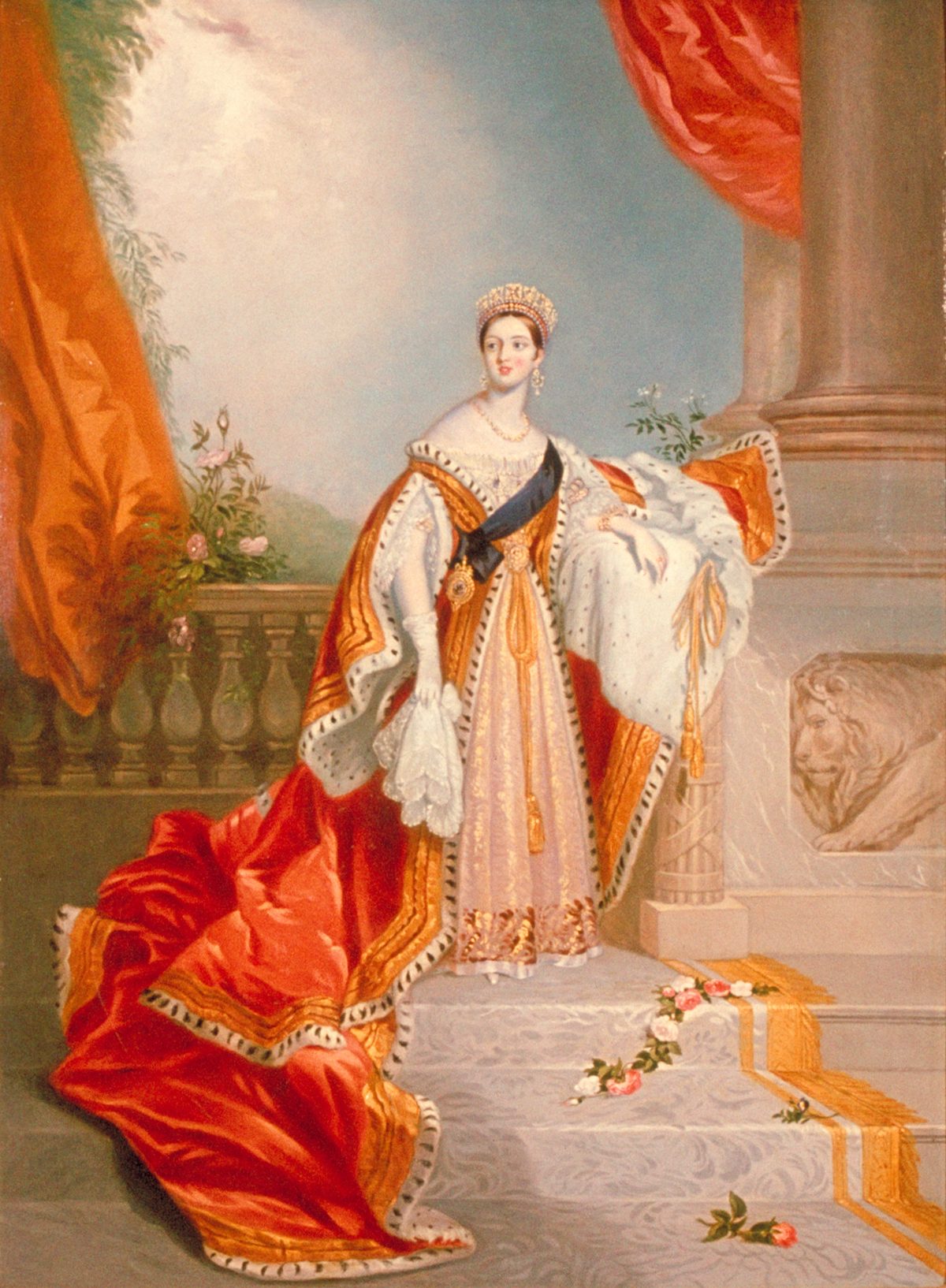
📷 Photo: Alfred Edward Chalon. Public domain via Wikimedia Commons.