On a serene morning in 1996, amidst the quiet hustle of London life, a princess walked into a place often overshadowed by the grandeur and glamour of royal engagements. There were no braying reporters, no scrambling paparazzi—just Princess Diana, stepping into an AIDS hospice to offer what she gave so uniquely: hope, compassion, and an unspoken bond that transcended the barriers of status and circumstance. She was there not as a royal but as a kindred spirit, sitting beside a dying man, holding his hand, and silently communicating a world of empathy that remains unforgettable.
A Symbolic Visit That Was Never Recorded
Princess Diana’s spontaneous visit to the hospice in 1996 was emblematic of the causes she championed and the rules she broke. Unannounced and free of official protocol, she embodied the compassion and humanity for which she was beloved. This particular visit wasn’t intended for the media; it was deeply personal, both for her and the man she comforted.
As she sat in the hospice, she wasn’t the “People’s Princess,” a title she often wore with grace and courage. She was simply Diana, a woman sitting beside another human being in need, offering presence and solace at a moment when many others might have stepped away.
The Context of Diana’s Advocacy
In the mid-1980s and early 1990s, the AIDS epidemic ravaged communities worldwide, often meeting with fear, misunderstanding, and stigma. Public figures speaking about or involving themselves with AIDS were few, and those who did were seldom so personally engaged. At a time when an HIV diagnosis was considered a death sentence, and those afflicted were often marginalized, Diana stepped in with a fearless grace that challenged societal narratives and brought desperately needed attention to the crisis.
The British royal family, anchored in tradition, has often walked a careful line between duty and modernity. Diana’s approach was something of a departure—she transformed the role of a royal figurehead into one who reached beyond the gates of Buckingham Palace to directly touch people’s lives. Her warmth and openness brought her into spaces where royals seldom ventured.
A Life-Changing Hour
Diana’s visit was unplanned, guided solely by her intuition and compassion. She entered the small room where the man lay—a reminder of her own humanity amid potential opulence. According to the nurse who witnessed the encounter, Diana sat beside the patient, took his hand, and remained there for over an hour.
The room was devoid of pomp—just the two of them. Diana didn’t need words to convey her understanding. Her mere presence spoke volumes, communicating acceptance and dignity when many others struggled to offer the same. Such acts of kindness made tremendous waves, offering hope and breaking down walls of misunderstanding.
Three days after Diana’s visit, the man passed away, never knowing the media storms she sought to shield him from, only the warmth and solace she provided that transcended any title or throne.
Nurtured Authenticity and Impact
Princess Diana was known for her unparalleled sense of style and public appearances brimming with royal elegance. Yet, visits like these—quiet and deeply personal—shaped her legacy in profound ways. It was in these hushed moments that Diana most authentically gave herself to the world, supporting those neglected by society's gaze.
Her altruism and approach to charity endeared her to millions, showcasing a modern monarchy that wasn’t just about tradition and ceremonial duty but about genuine personal connection. Her work with AIDS patients, leprosy sufferers, and the homeless magnified the impact a royal voice could wield when combined with empathy and personal action.
An Enduring Legacy
The morning Princess Diana sat beside a dying man in that London hospice wasn’t captured by cameras, and perhaps it was better that way. The lack of fanfare allowed for a pure moment of human connection that didn’t concern itself with legacies or public perception.
Decades later, her acts of compassion continue to resonate, influencing both her sons in their charitable endeavors and the broader royal family’s approach to philanthropy. Diana redefined what it meant to be royal, intertwining it with a tangible expression of kindness that elevated the institution through the shared human experience.
The legacy left behind by Diana’s quiet acts of love remains a pivotal chapter in the story of the British monarchy. In an era where societal issues often dwindle beneath the lavishness of pageantry, remembering her compassion serves as a rich reminder of the power of empathy. Change is rarely swift, but Diana’s acts of kindness planted enduring seeds that continue to bear fruit in a world that still deeply needs her brand of love and understanding.
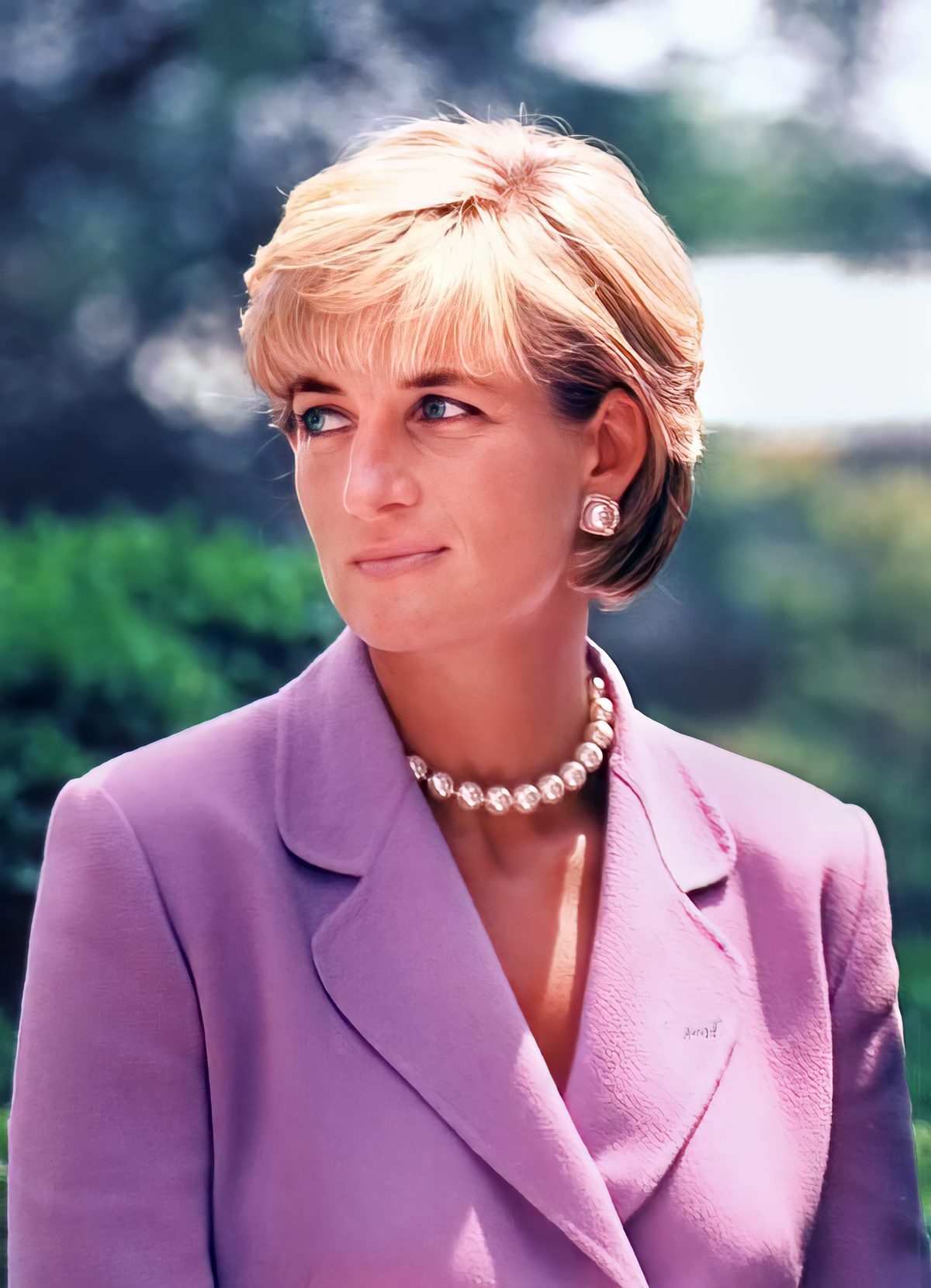
📷 Photo: John Mathew Smith & www.celebrity-photos.com from Laurel Maryland, USA. CC BY-SA 2.0 via Wikimedia Commons.