Amidst the grand halls and lush gardens of Sandringham House, an air of solemn introspection permeated the corridors as King George V lay in his final hours. It was a January night in 1936, and while the entire nation held its breath, one figure remained steadfastly by the King's side: Queen Mary. Known for her stoic demeanor and unwavering composure, she set aside royal decorum for one silent farewell that transcended words.
The Monarchs' Long Journey Together
Throughout their 42-year marriage, Queen Mary and King George V became the bedrock of the monarchy during times of great upheaval, guiding Britain through monumental shifts. Having faced the ravages of two world wars, the dissolution of a sprawling empire, and the challenges of raising six children, their partnership was defined by resilience, shared duty, and steadfast love.
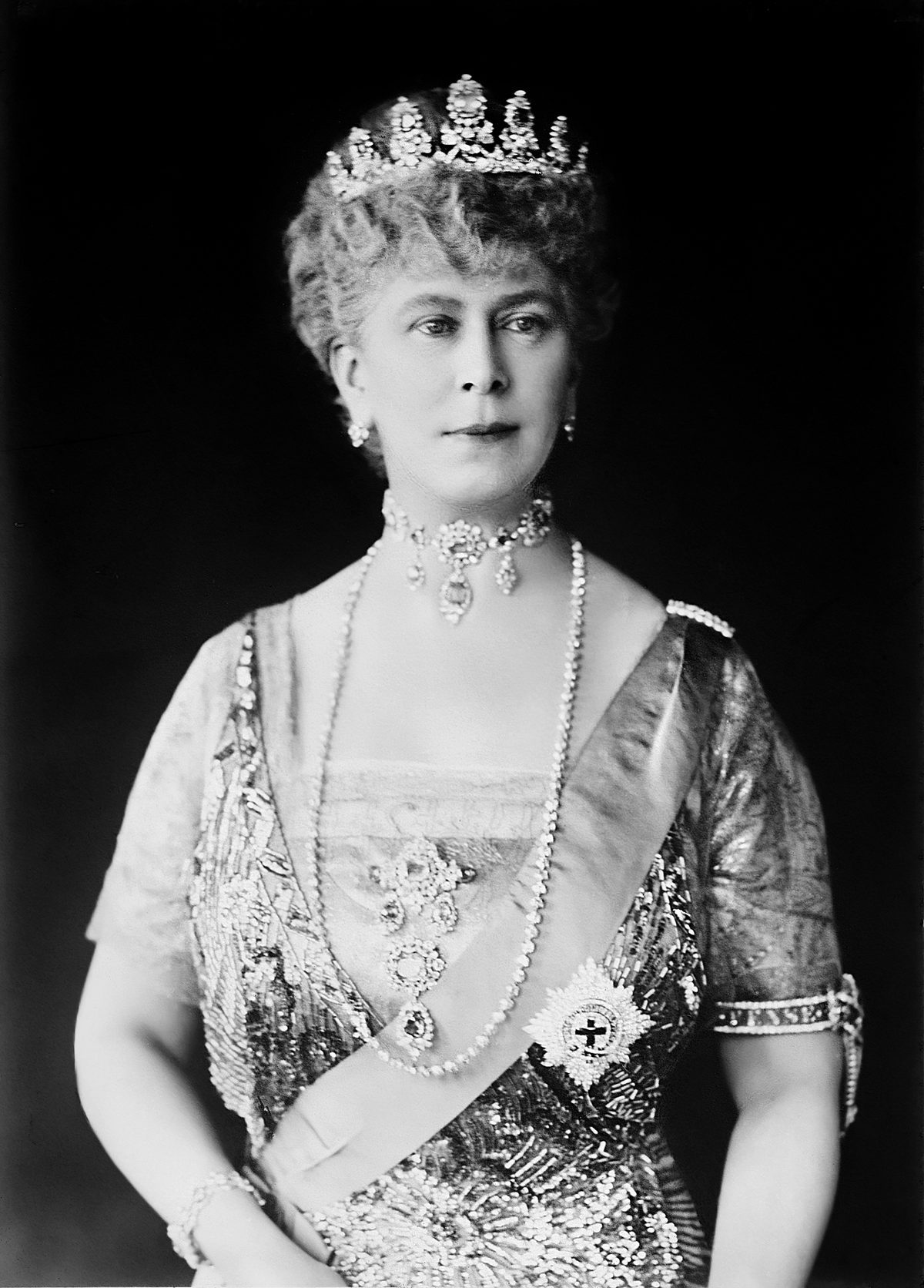
Queen Mary, born Victoria Mary of Teck in 1867, had always been the epitome of royal decorum. Her life was a whirlwind of royal engagements and life under public scrutiny, yet she maintained a sense of poise that endeared her to the public. By George's side, she played a pivotal role in modernizing the monarchy, grounding it in national identity even as the British Empire began to wane.
A Quiet Goodbye at Sandringham
As King George's health deteriorated, Sandringham House became the sombre stage for his final chapter. The royal estate, nestled in the Norfolk countryside, had been a favoured retreat for the king, offering a semblance of simplicity and privacy amid the responsibilities of monarchy.
On the evening of January 20, 1936, any semblance of courtly ritual dissolved as Queen Mary entered the king's room. Historians note that she dismissed the usual bustle of attendants and courtiers, choosing instead to be alone with her husband. In this quiet moment, stripped of finite grandeur and unyielding protocol, Mary simply held his hand.
Their sixty years of unwavering companionship distilled into a single, poignant gesture. It was a private exchange of deep intimacy, a tacit understanding forged by decades of shared history. The Queen, rarely seen without her imperious reserve, allowed herself to be just a wife losing her beloved. She reportedly murmured tender reassurances, though the specifics of what she said remain a treasured secret, kept closely guarded in the annals of royal memory.
Leaving a Household Aghast
What transpired next was as unique as it was unexpected. After holding his hand and sharing a few quiet words, Queen Mary did something that left the gathered household at Sandringham astounded. She let herself openly weep. In a time when royal emotion was rarely displayed publicly, this openness was nothing short of astonishing.
Her tearful farewell was a deviation from the calculated composure that had been her hallmark. The staff, witnessing this rare moment, were reportedly left speechless. Speculation abounded, yet no member of the household would dare intrude on the Queen's profound grief.
Despite the societal norms of the era—which expected women, especially those of regal stature, to conceal their feelings—Queen Mary's genuine display of emotion allowed the royal family and those around her to see that strength and vulnerability were not mutually exclusive. Her actions spoke volumes about the depth of her love and respect for King George, and her unyielding commitment to him until the very end.
The Legacy of a Private Farewell
After King George V passed, the world became a much different place for Queen Mary. Her role evolved as she supported her sons, first King Edward VIII and then King George VI upon the abdication crisis later that same year. Through it all, the strong and private woman continued in her role as the matriarch of the royal family, maintaining the values and traditions that had been so important to her husband.
“I cannot forget that,” Queen Mary later reflected to her close confidantes, though the intricate details of that intimate farewell remained a personal touchstone, never to be elaborated upon in public.
Queen Mary lived on to witness new generations of the monarchy rise in the post-war world. Her influence persisted, inspiring an ethos of duty that mirrored the devotion she held alongside her late husband. She became an emblem of continuity, revered not only by her family but by a nation rediscovering its post-imperial identity.
A Reflection on the Monarchy's Human Heart
In today's modern monarchy, shaped by centuries of tradition and adaptation, the legacy of Queen Mary and King George V offers more than a historical footnote. It serves as a poignant reminder of the human connections at the heart of the institution. They remind us that amidst the glittering ceremonies and rigid protocols, there lies a foundational love that has seen England through its myriad transformations.
Their story allows admirers of the royal family to appreciate the solemn responsibilities and personal sacrifices that accompany such exalted positions. Queen Mary's farewell was not merely a goodbye to a king; it was the heart-wrenching conclusion of a remarkable partnership. Her audacious emotion in that quiet bedroom at Sandringham is a testament to love, duty, and a shared journey that defined an era. The regal past remains forever woven into today's fabric, subtly inspiring resilience and the quintessentially British spirit of the monarchy in the twenty-first century.
📷 Photo: Bain News Service; edited by Fir0002. Public domain via Wikimedia Commons.