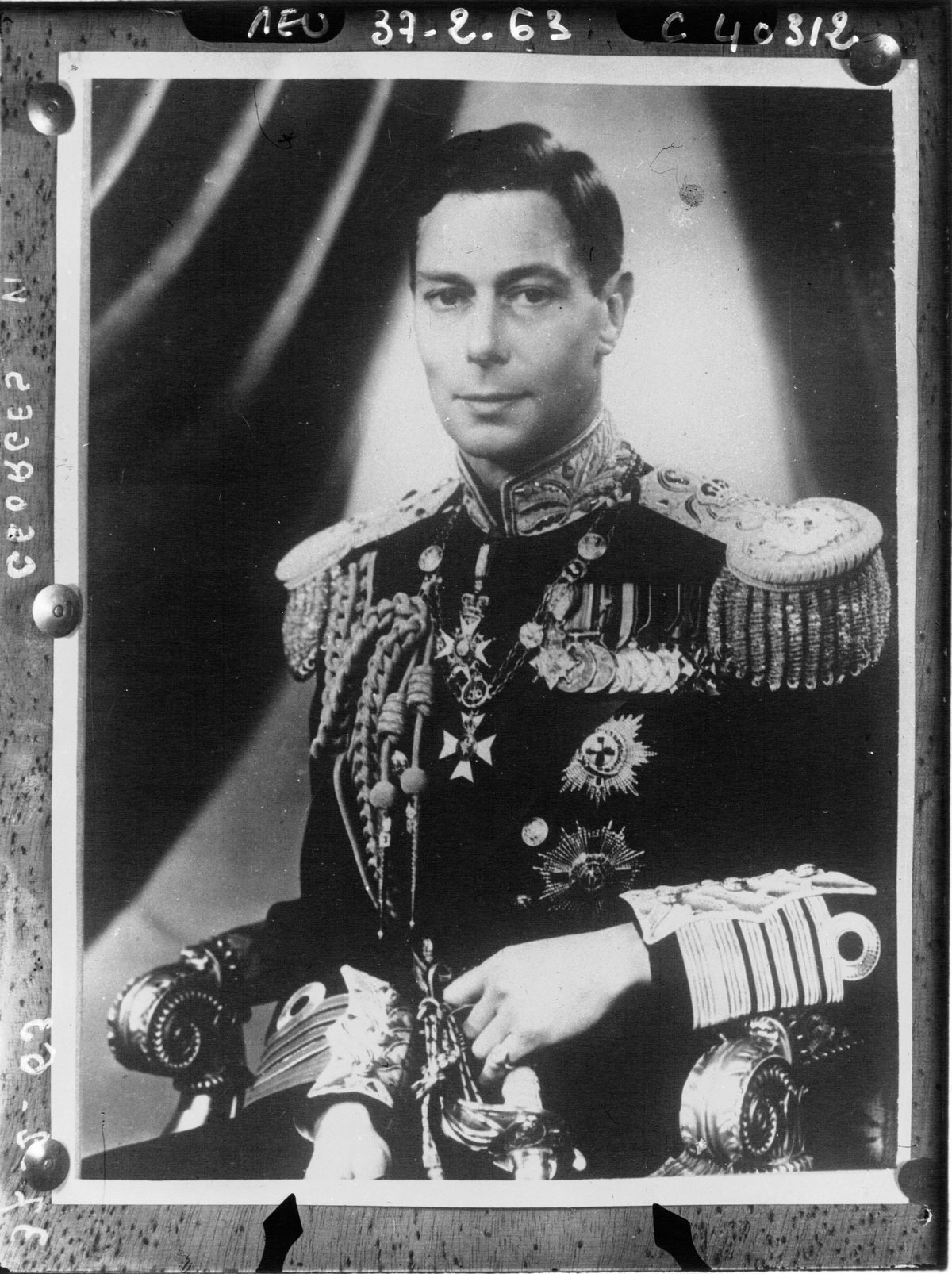
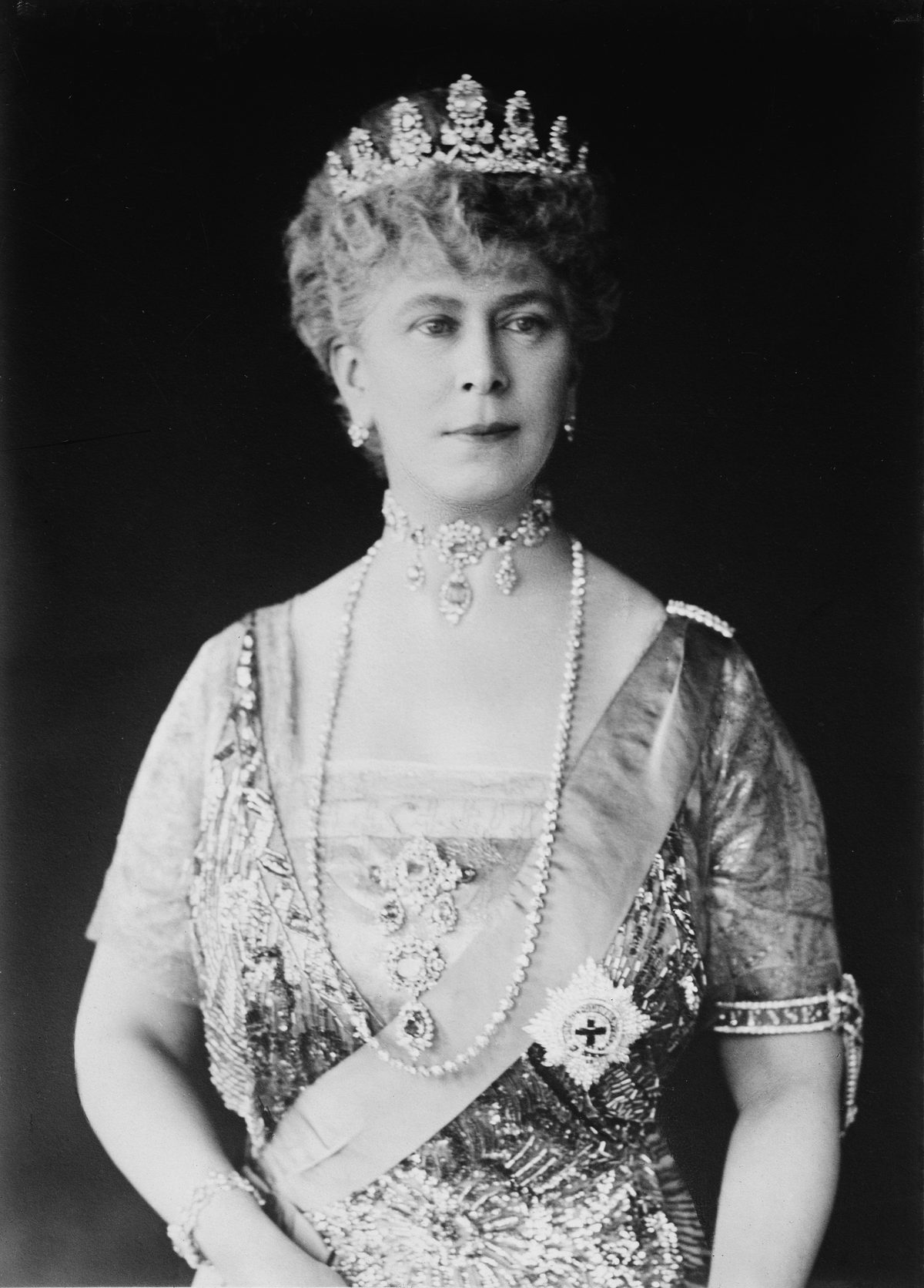
In the bitter chill of January 1936, a profound moment unfolded within the opulent yet increasingly solemn walls of Sandringham House. As King George V lay dying, his regal court gathered, preparing to bear witness to the final hours of a great king. Yet, amid the gravity and formality typical of royal proceedings, one tender, unexpected gesture shone through. Queen Mary, a woman famed for her stoicism and steely composure, did something that hadn't been seen in centuries among British royals: she held her husband's hand, steadfast and unwavering in her vigil, until he breathed his last. This intimate act of love transcended royal duty, capturing the hearts of all who learned of it then and in the years since.
The Stately Yet Intimate Farewells at Sandringham
Sandringham House, a preferred royal retreat, was steeped in the muted ambiance of winter as the royal family prepared for what they feared would be King George V’s final moments. The king, who had ruled through a turbulent era, was deeply beloved by his subjects, and there was a tangible sorrow in the air. While the doctors attended to their sovereign with calculated precision, the royal household maintained its composure, much as they had done out of necessity for countless years.
Amongst the regality and procedural formality, Queen Mary's presence was a beacon of human warmth. Though her outward demeanor was reserved—a trait valued highly within royal circles—her emotions ran deep. Her decision to remain steadfast at her husband's side was as unexpected as it was touching. In a world where protocol often took precedence, her refusal to leave his side until the end demonstrated a bond that transcended the constraints of their public roles.
A Queen Known for Duty, Rendered Speechless by Love
Queen Mary, born Mary of Teck, was renowned for her unwavering dedication to duty, a trait molded in the crucible of a life irrevocably tied to royal responsibilities. Her life was a testament to the virtues of stoicism, decorum, and an unyielding commitment to the crown. As wife to George V, she navigated the complexities of royalty with grace, always mindful of the watchful eyes of the public and the press.
Yet, in those final hours at Sandringham, Mary stepped beyond the role prescribed to her by birth and marriage. The historical significance of her decision to hold George’s hand lies not only in its rarity but in its defiance of long-standing royal custom. It harked back to an older, more personal strain of monarchical tradition—where love was quietly but steadfastly expressed behind the veil of public duty.
"She was his strength, and as he waned, she remained that constant presence, offering comfort by the touch of her hand," noted a royal historian. The poignant gesture reverberated through the halls of Sandringham, providing a sense of peace amidst an impending change.
The End of an Era: King George V's Lasting Legacy
The quiet yet profound support Queen Mary offered during George V’s final hours spoke to her own legacy as much as his. King George V, the monarch who had shepherded Britain through World War I and the beginnings of dramatic political transformations, was a stalwart figure to many. His death marked the end of an era defined by resilience through uncertainty, and his legacy as a father and husband became intertwined with the emerging story of a modernized royal family.
The transition of power in 1936, poised on the edge of global upheaval, was unsettling even amidst a structured monarchy. Yet, the shift was softened by the enduring memory of Queen Mary’s love, captured in a single, simple act. Her gesture of tender loyalty became a beacon of continuity, a reminder that behind the grandeur of crowns and thrones lay fundamentally human stories united by love and loss.
A Timeless Symbol of Love Transcending Duty
The implications of Queen Mary’s choice reached far beyond personal grief. It subtly redefined what the monarchy could represent to its subjects: a delicate balance between tradition and personal truth, unwavering duty and heartfelt emotion. Her moment at Sandringham acknowledged that, while rulers are prepared to serve their nation, they also serve love and family.
Today’s royals continue to navigate a complex landscape of public expectations and private lives, with Queen Mary's legacy serving as a quietly powerful precedent. Her touching farewell to King George V carved a compassionate niche in royal memory, reminding us that every enduring institution is built upon personal, often silent sacrifices.
As we look to the ongoing story of the British monarchy, Queen Mary's last gift to her husband—a simple, heartfelt touch—reminds us that rulers, too, are shaped by love and loss. Her legacy shines through in the thousands of gestures of duty and affection played out in the public eye, but born in the privacies of home life—an ever-present reminder of a queen whose love broke through centuries of tradition to etch a new path in the annals of the royal family.
📷 Photo: W. & D. Downey. Public domain via Wikimedia Commons.