A Night in 1917: A Queen's Unseen Vigil
In the heart of tumultuous 1917, a seemingly simple yet profoundly moving act of compassion unfolded in a quiet hospital ward in London. Her Majesty, Queen Mary, the poised and dignified consort of King George V, momentarily set aside the trappings of royal life to offer solace to a single, gravely wounded soldier. It was a gesture unrecorded by cameras, unannounced by palace courtiers, and unknown to the public for many years. Yet the power of this act resonates deeply—an intimate intersection of duty and humanity, capturing the heart of what it means to be both royal and resolutely human.
A Royal Life in a Time of War
The British monarchy, even in the early 20th century, was a symbol of continuity and national identity. As the First World War raged across Europe, Queen Mary, alongside her husband King George V, dedicated herself to supporting the war effort—visiting hospitals, organizing relief efforts, and uplifting spirits. At a time when the royal family's visibility and morale-boosting presence were greatly needed, Queen Mary epitomized steadiness, a pillar of silence in the clamor of war.
Queen Mary, born Mary of Teck, was no stranger to the challenges of royal life. Her upbringing, characterized by an unyielding sense of duty and propriety, prepared her well for the burdens she would carry as queen. Intelligent and fiercely loyal, she approached her role with a quiet yet passionate commitment to her adopted homeland, a testament to her unwavering belief in the monarchy as a force for good.
The Quiet Hospital Visit
Amidst the relentless backdrop of war, Queen Mary frequently visited hospitals, reassuring those who had paid the terrible price of duty. It was during one such visit in 1917 that a small but unforgettable moment was born. The Queen, having traversed several wards, was drawn to the bedside of a young private who lay hovering between life and death. Perhaps it was the pallor of his skin or a mother's instinct that made her pause, but pause she did.
The ward sister—whose role was both crucial and understated in those days—later noted in her records that the Queen, after a brief exchange with the ward matron, dismissed her entourage. The room was suddenly transformed from a public spectacle to an intimate sanctuary where she found a chair and silently settled next to the soldier. It was an act of empathy rather than one of obligation, an expression of solidarity with the men who fought for her country—her aching, stricken sons in royal and national spirit.
A Night of Unseen Devotion
The hours that followed were marked not by grandeur but by quietude. Queen Mary sat watching over the soldier, her presence a balm to his pain-wracked body. With no audience to perform for, no courtiers to watch their sovereign, she captured the essence of human kindness. Those who passed by and peered into the room saw not a queen but a compassionate woman offering companionship, bridging the chasm of class and rank, simply through her presence.
As the night deepened, her vigil remained untouched by the impatience of the outside world. She read occasional snippets from a book, offered water, or gently adjusted a blanket. The wounded private, though often unconscious, was never alone. The looming sunrise eventually heralded the changeover of nursing shifts, but not before Queen Mary arose quietly to leave, unseen and uncelebrated except in the unspoken gratitude etched in the private’s restful composure.
Legacy of Quiet Compassion
In a time where the royals were more or less removed from the public during their most private moments, stories like these remind us of the profound impact personal acts of kindness can hold. The quiet deeds of the past, like Queen Mary's nocturnal vigil, illustrate that within the grand machinery of monarchy, there exists a simple, heartfelt humanity. It is this duality that endows the institution with a timeless quality, an enduring luster that resembles less a crown and more a guiding light.
Queen Mary's visit was never meant to be a story; it was an unrecorded footnote, never heralded in the news or captured in official photobooks. Nevertheless, it adds a rich texture to our understanding of the monarchy's place in history. By stepping beyond the ceremonial and into the realm of genuine connection, royal figures can unite societies and uplift spirits, echoing in deeds that ripple across time.
Today, at a time when the British monarchy continues to adapt in an ever-changing world, the story of a queen's humble act of care reminds us that the true majesty of the crown lies not just in tradition but in the moments of gentleness that prove its worth. In gestures paid forward in moments unseen, the past echoes brightly, inspiring renewed hope for the future.
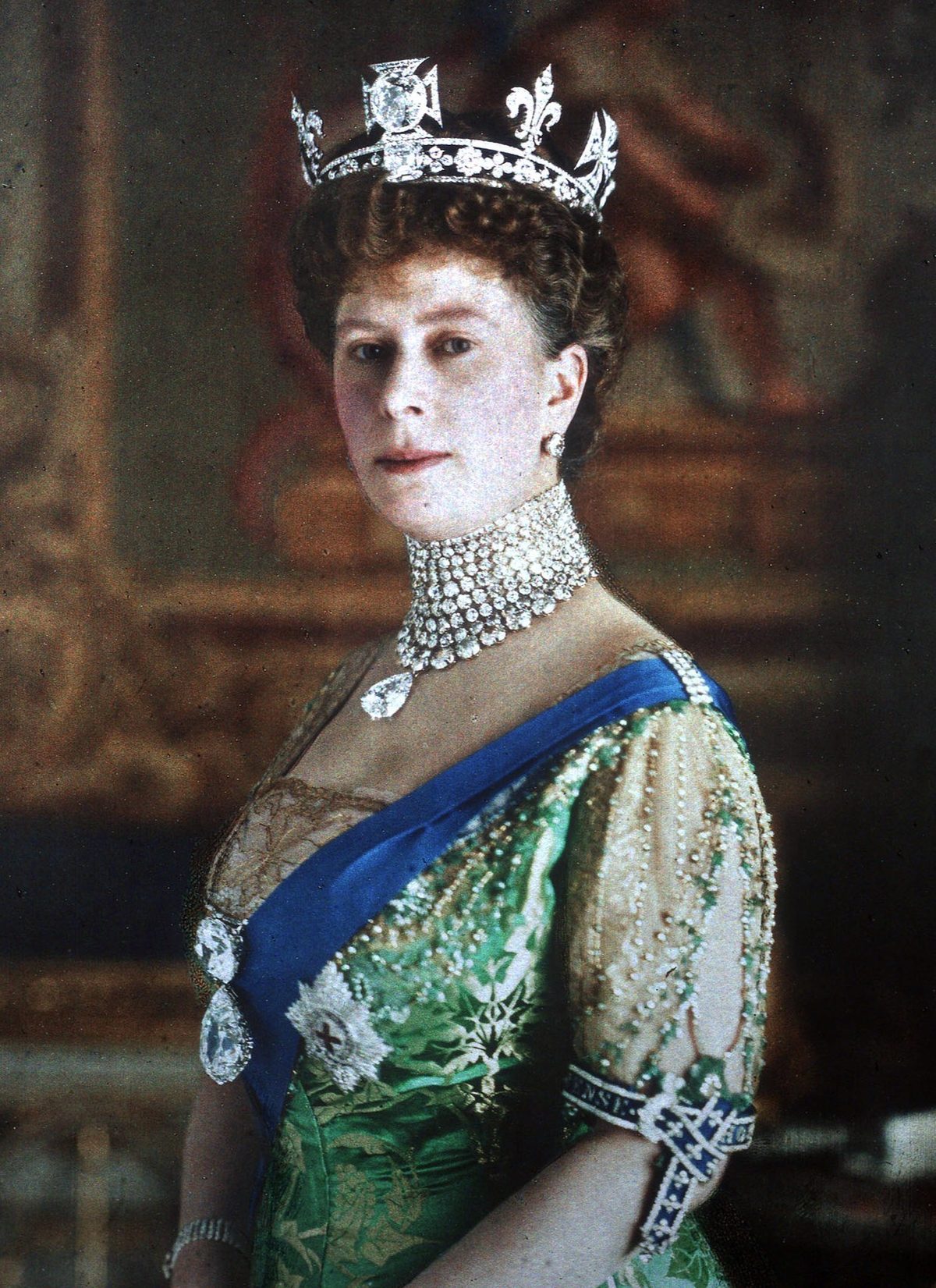
📷 Photo: Jean Desboutin. Public domain via Wikimedia Commons.