During the darkest years of the First World War, Queen Mary, wife of King George V, quietly transcended her role as a monarch, becoming a beacon of compassion and humanity for Britain's war-wounded. Many of her unpublicized visits to hospitals brought solace to the soldiers convalescing within, but a particular morning in 1917 would reveal a deeply poignant moment not soon forgotten. What unfolded was an encounter that would leave Queen Mary visibly bereft of her stoic composure, as she found herself reading a fallen soldier's last unspoken words. A nurse, present in the ward, later documented this moment in her private diary, capturing an unforgettable image of raw, regal tenderness.
A Queen's Devotion: Behind Hospital Doors
Queen Mary, born Mary of Teck, was not one to simply watch the world from gilded palace windows. By the time World War I ravaged Europe, she had already established herself as a committed partner to the king, championing numerous causes and publicly supporting the British war effort. Yet it was in her weekly visits to the military hospitals that her true heart was laid bare.
These visits were far from performative. Queen Mary walked the wards with sincere intent, shaking the hands of men who had faced unimaginable horrors. Her unrelenting presence cast a light of warmth in some of Britain's loneliest corners. A formidable figure often noted for her stately composure, she would spend hours offering words of encouragement, listening to stories that perhaps mirrored the fears and hopes shared by soldiers on every front.
The hospital visits also served a practical purpose, allowing the Queen to oversee and support her own charitable initiatives. She had established the Queen Mary’s Needlework Guild in 1914, providing essential garments and supplies for the troops. Beyond this, her presence offered emotional nourishment and hope in grim circumstances, reinforcing the broader sense of national unity.
The Solitary Letter: A Soldier's Final Tribute
The scene in 1917 began like any other of Queen Mary's visits. The morning light spilled through high casement windows, casting soft shadows across rows of white-sheeted beds. Nurses bustled quietly along the aisles, attentive yet unobtrusive, aware of the unique weight a royal visit imparted upon their wards.
On this day, Queen Mary’s visit to a particularly somber hospital took an unexpected turn when a nurse approached her with a letter. It was an ordinary envelope, yet its contents would resound with extraordinary poignancy. The nurse explained that the letter belonged to a young soldier who had passed just hours before the Queen’s arrival. In a tender and human moment, Queen Mary requested to read it aloud, honoring the unspoken farewell.
Standing beside the empty bed, the Queen unfolded the letter. Her voice, known for its resonance and royal authority, became a vehicle for the soldier’s heartfelt words. She spoke of a longing for home, of love unexpressed and dreams suspended by war. Those present recalled an almost tangible spirit of the lost soldier filling the ward, bringing a sense of peace.
Tears of a Queen: A Moment of Human Connection
In an instant, as she reached the letter’s closing lines, Queen Mary found herself overcome. Her usual composure gave way to an undeniable flow of emotion. Tears welled in her eyes as she absorbed the weight of the soldier’s sacrifice—a reality mirrored by countless others across war-torn fields. It was a moment that stripped away the barriers of formal duty, revealing a kindred spirit shared in loss by royalty and rank alike.
The nurse who had gently handed over the letter recorded in her diary how the Queen’s tears gave permission for others to feel their grief openly. In that ward, sorrow and solace mingled, closing the gap between the gravitas of the crown and the ordinary lives entwined in wartime service.
This connection resonated far beyond the sterile confines of hospital walls, echoing through the years as a testament to the monarchy’s enduring capacity for empathy and unity during times of national crisis.
Legacy of Compassion: Reflections on Royal Responsibility
Queen Mary's actions during World War I left a profound mark on the British monarchy, redefining expectations of reigning figures amidst modern challenges. Her devotion to the well-being of soldiers encapsulated a rare blend of sovereignty and servitude, one that has continued to inspire her successors.
Today, the British royal family upholds this legacy of service and compassion through numerous charitable endeavors and public engagements. Patrons of causes supporting veterans, healthcare workers, and community lifelines, they reflect the values Queen Mary held dear.
The human moments shared during Queen Mary’s visits serve as a poignant reminder of the monarchy's role in bridging tradition with contemporary relevance. In celebrating the tender, shared humanity that can dissolve societal divides, the royal family invites both reflection and rejuvenation in our collective understanding of courage, sacrifice, and the unyielding potential of compassion.
As we look back on that heartfelt morning in 1917, we cherish a legacy of leadership not confined by ceremony, but enriched by shared humanity—a timeless truth resonant across the decades, linking the heart of the royal past to the vibrant tapestry of the present.
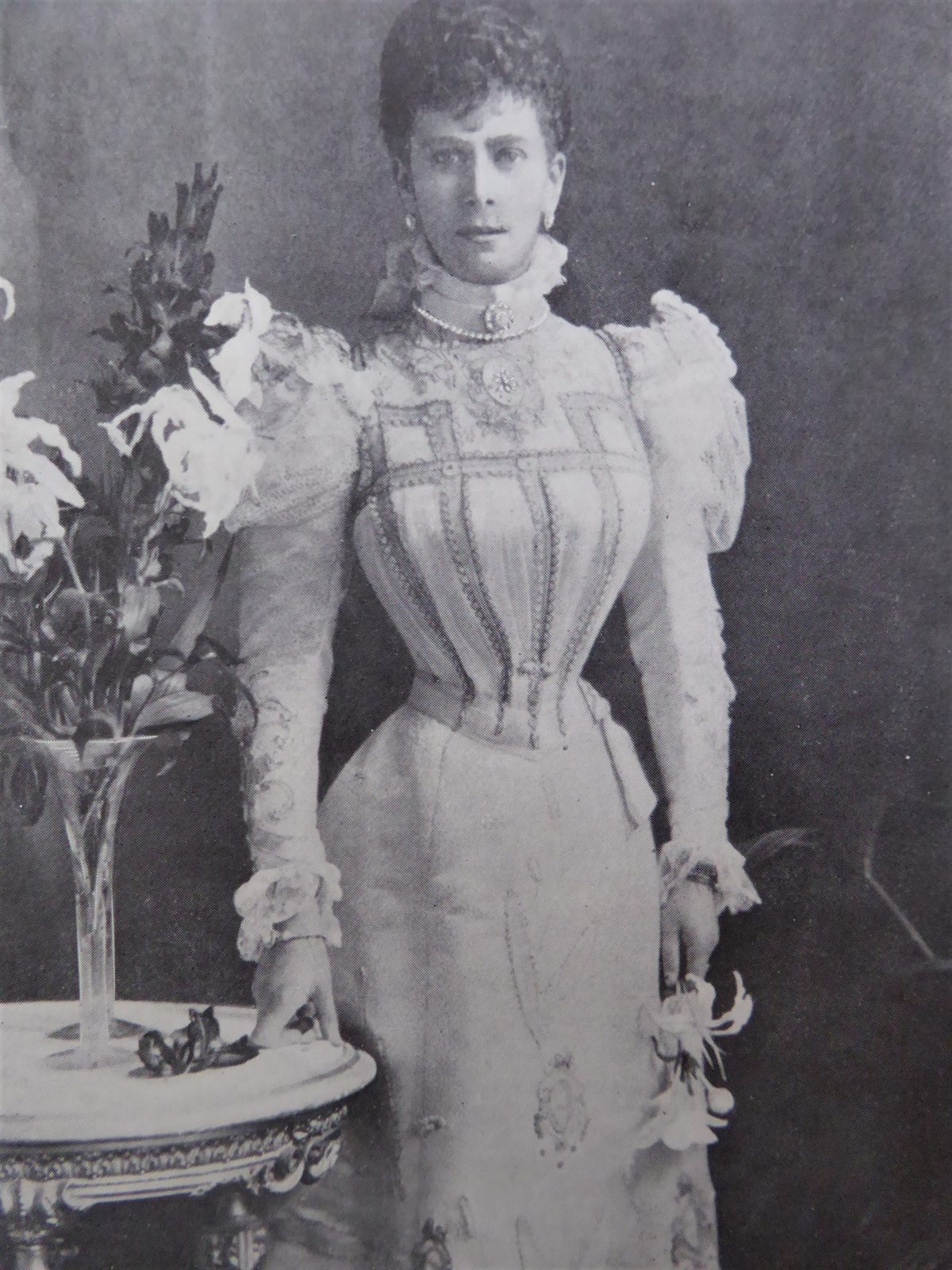
📷 Photo: Lafayette. Public domain via Wikimedia Commons.