It was a scene both heart-wrenching and inspiring — the venerable Windsor Castle, home to Britain's kings and queens for nearly a millennium, was engulfed in flames on a cold November day in 1992. Amid this calamity, a symbol of tradition and stateliness trudged through the rubble, exuding a human warmth only the beloved Queen Elizabeth II could possess. Her subsequent embrace of a tired young firefighter not only defied centuries-old royal protocol but also captured the poignant essence of her reign: a queen profoundly in touch with her people.
The Night That Altered History
On the quiet morning of November 20, 1992, smoke billowed into the sky over Berkshire, drawing the concerned eyes of the nation. Windsor Castle, the premier residence of so many historic monarchs, was facing its gravest ordeal since the English Civil War. A disastrous fire had been ignited by a spotlight resting against a curtain in Queen Victoria's private chapel. In a few frantic moments, what had begun as a mere flicker sparked an inferno that would devastate the North East Wing of the iconic fortress.
Though more than 200 firemen bravely battled the flames, it would take fifteen harrowing hours before they were contained. The damage was extensive: hundreds of rooms were scorched, and several national treasures lay charred beyond recognition. Yet within this scene of destruction, an uplifting narrative was quietly unfolding — one that spoke to the enduring spirit of the monarchy and its unwavering bond with the British people.
A Queen Among the Ashes
Reports of the inferno reached Her Majesty as she was amidst her royal duties in London. Immediately, she made her way to the scene, clad in a sensible mackintosh coat against the frigid November air. As she walked through the remains of her ancestral home, she was not just a sovereign appraising the deluge of destruction but a steward of history absorbing a profound personal loss.
Yet the Queen's concern lay not solely with the grandeur of her lost possessions but also with those who toiled tirelessly to save what remained. Spotting a young firefighter — his uniform streaked with soot and exhaustion shadowing his eyes — she saw more than just a public servant; she saw someone representing the heart and resilience of her nation.
The Defining Embrace
It was a moment never captured by cameras, retold through hushed tones and respectful admiration from those who witnessed it. As the Queen neared the firefighter, she did something that centuries of royal decorum had supposedly forbidden; she extended a hand, then gently drew the young man into a warm embrace.
This simple yet powerful gesture shattered the austere veneer that so often cloaked the monarchy, casting it instead in the vivid light of human compassion. Here was a Queen who understood the weight of her role as a nation's unifying figure, unafraid to improvise her love and gratitude beyond the limitations of protocol.
While royal tradition typically dictated that one does not initiate physical contact with a monarch, in that touching moment beneath Windsor's charred rafters, such customs dissolved. What persisted was a genuine encounter between sovereign and subject, an allegorical repair of what the flames intended to break.
The Changing Face of Monarchy
The significance of the Queen's unorthodox hug lies not just in its instant individuality but in its broader implications for a contemporary monarchy. In an era where the royal family faced increasing scrutiny, with calls for adaptation and modernity, Queen Elizabeth II demonstrated an acute awareness of her evolving role.
It was in actions like these — unscripted, heartfelt, and profoundly moving — that she blazed new trails across historical boundaries. Though she remained a steadfast guardian of tradition, she also embraced the winds of change, reminding all that empathy and monarchy were not mutually exclusive. Her interactions with her subjects were less about rulebook precision and more about sincere kinship.
A Legacy of Human Connection
The 1992 Windsor Castle fire could have been a chapter of sheer desolation, yet from its ashes rose a story of hope and humanity. It was emblematic moments like these — moments that underscored the Queen’s unrivaled ability to personify grace under pressure — that cemented her place in the hearts of her subjects and solidified her legacy.
As the world grapples with its own modern challenges, the memory of that heartfelt hug lingers as a reminder of the deep-rooted strength that lies in compassion and connectivity. Queen Elizabeth II, by breaking protocol with sincere intent, illustrated that the monarchy is about more than crown and country; it's about the people who make up its vibrant tapestry.
In our complex present, the image of a Queen embracing the ones who protect and serve remains timelessly impactful, urging future generations to lead with kindness and courage. Just as Windsor's royal fires were quenched, so too does this enduring story fuel the eternal flame of British resilience, dignity, and unity.
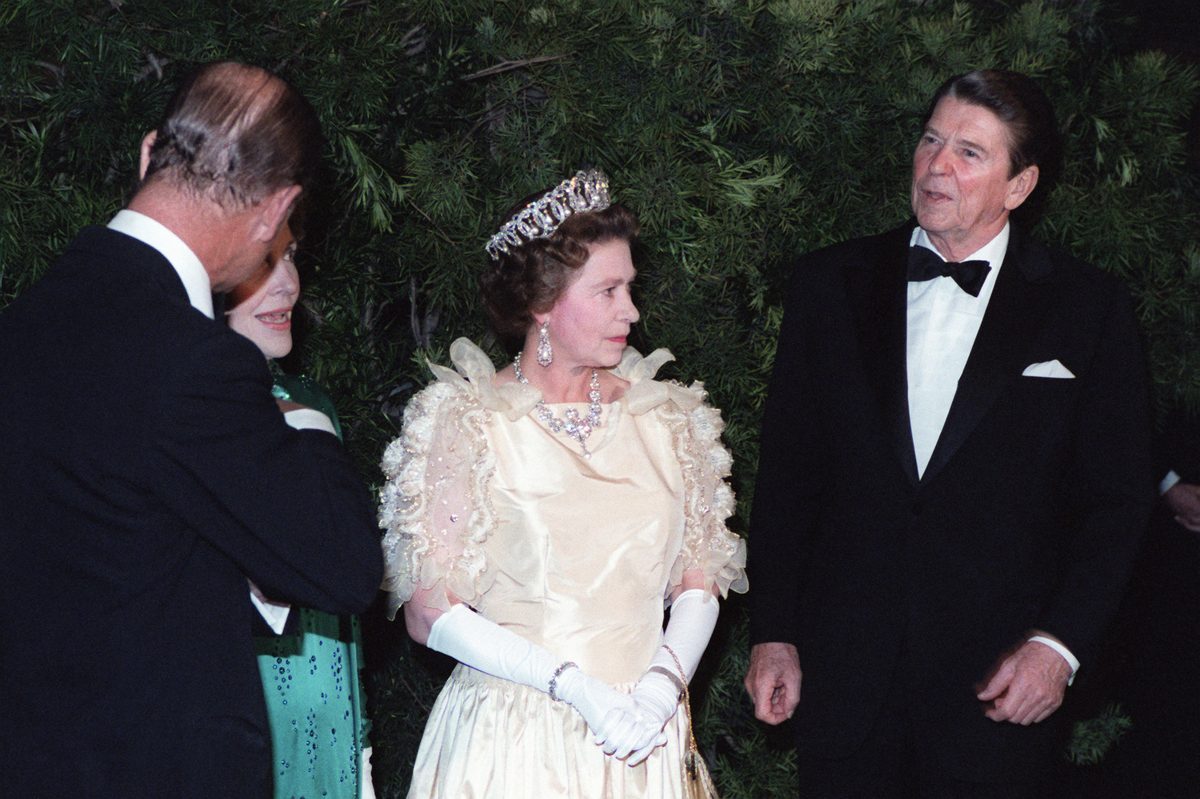
📷 Photo: Series: Combined Military Service Digital Photographic Files, 1982 - 2007 Record Group 330: Records of the Office of the Secretary of Defense, 1921 - 2008. Public domain via Wikimedia Commons.