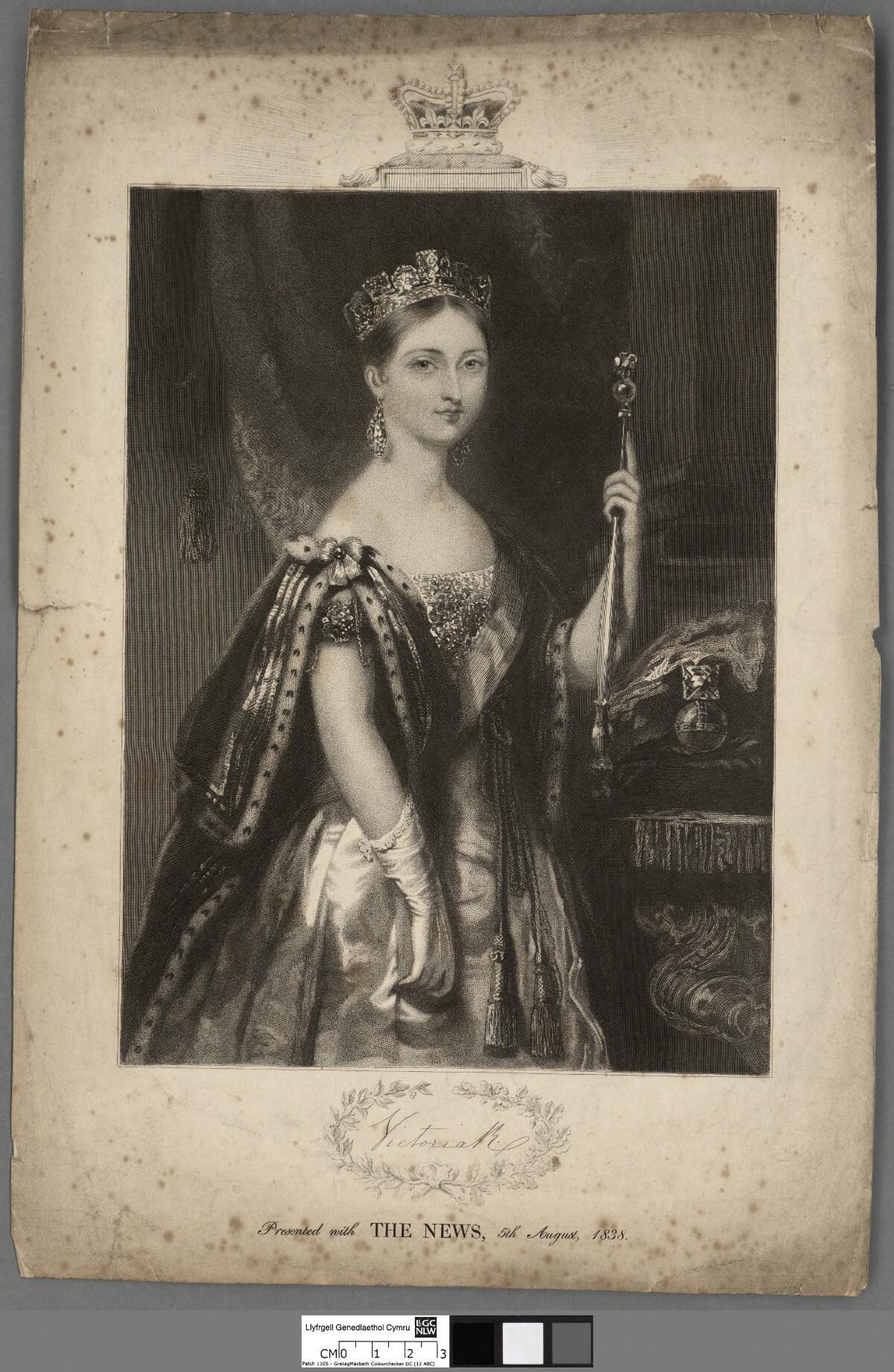
For nearly half a century, the unwritten codes of mourning dictated every sunrise at Windsor Castle, where Queen Victoria resided during the later years of her reign. Though the world may have moved on from the devastating loss of Prince Albert, the Queen's actions told a different, haunting story. Every morning, freshly prepared clothes and a bowl of warm shaving water awaited Prince Albert in his dressing room. They were laid out meticulously, a testament to a love that defied time and physical absence. This daily ritual was Queen Victoria’s stubborn refusal to accept her beloved’s departure or let the world catch even a glimpse of her enduring sorrow.
A Reign Marked by Personal Devastation
The story of Queen Victoria and Prince Albert is one steeped in historical legacy and profound personal affection. Married on February 10, 1840, their union was one that refashioned the architecture of royal love. Theirs was a bond strengthened by shared ideals, mutual respect, and a deep, undeniable romance. When Albert died in 1861 at the tender age of forty-two, it was as though a vital part of Victoria’s very essence departed with him.
Victoria’s grief was no secret to the public. Draped in black for the rest of her life, she became known as the “Widow of Windsor.” Yet, her private gestures, such as the morning rituals for Albert, were less known to the world. To her, Albert was not gone; he remained an enduring presence beside her throne, shaping her decisions and tempering her thoughts.
Beyond Mourning: A Royal Vigil
In the gilded halls of the royal residences, these daily rituals were much more than a queen in mourning. It was an act that elevated Prince Albert from memory to myth. Each morning, as staff laid out his shaving water and clothing, a poignant respect was paid to a man whom Queen Victoria regarded not only as her husband but as her mentor and partner in sovereign governance.
The household staff revered this task, though not without their own sorrowful reflections. Those who performed this ritual, usually footmen and personal attendants, sometimes found themselves moved to tears—a testament to the love and loyalty Prince Albert inspired even after his death. It was a tradition carried out with utmost respect, amid an atmosphere tinged with melancholy yet infused with an eternal devotion.
The Human Side of a Regal Love
The Victorian court, bustling with political machinations and social engagements, bore witness to a populace largely in awe of their steadfast queen who managed affairs with unwavering diligence—even as shadows loomed over her personal life. Queen Victoria’s acts of devotion added an intensely human touch to her hallowed position.
Despite the burdens of her crown, Victoria's most formidable strength manifested in her unyielding commitment to preserving Albert’s legacy. This persistence intertwined with the daily fabric of her life and inspired a court culture driven by underlying fidelity to the late prince's memory. For Victoria, committing to these daily rituals was an affirmation of a bond that transcended the physical realm, embedding itself in the very ethos of her reign.
Intricate Portraits of Courtly Life
The rituals hinted at broader themes of Victorian life. At a time when public and private life often intertwined, Queen Victoria's dedication to Albert's memory became an essential component of her public identity. It was a poignant narrative that unfolded behind the curtained opulence of royal lounges and grand ballrooms.
The royal household, with its exacting schedules and hierarchical etiquette, revolved around these tasks as an unbroken connection between past and present. So absorbed in her love and duty, Queen Victoria ignored the passage of years with the resolute dignity that became the hallmark of her reign. Her insistence on keeping Albert’s presence alive within the physical spaces he inhabited spoke volumes about the depth of their affinity.
A Timeless Reflection of Love and Loss
As we examine the intricacies of Queen Victoria's mourning, we find reflections of our contemporary experiences with love and loss. In our relentless pursuit of connection, we often find solace in the rituals that preserve memories. Victoria's daily homage to Albert represents an emotional bridge—a continuous thread joining those we’ve lost with the vibrant tapestry of daily life.
The tale of Victoria and Albert is not merely one of personal devotion but a profound surrender to the emotional depths that define our human existence. Through quiet rituals, a queen expressed her love, framed by the indisputable notion that genuine bonds transcend the confines of mortality.
The enduring story of Queen Victoria and her vigil offers a heartening reminder that, amid the grand gestures and ornate symbolism of royal life, the simplest acts of memory can hold staggering power. In affirming the presence of those loved and lost, we find that love, in its purest form, does not cease—it evolves, engrained in our days, our rituals, and, ultimately, ourselves.
📷 Photo: Unknown authorUnknown author. Public domain via Wikimedia Commons.