The Royal Voice That Echoed Through Troubling Times
Amidst the chaos and uncertainty of October 1940, a beacon of hope emerged from the heart of Windsor Castle. It was neither a grand military gesture nor a Churchillian rallying cry, but rather the tender voice of a fourteen-year-old Princess Elizabeth. As bombs fell over London and fear gripped the nation, Elizabeth, future Queen of England, approached a BBC microphone with poise beyond her years. Her mission? To reach out, reassure, and unite the children of Britain and the Commonwealth directly impacted by the ravages of war. In a single broadcast, Elizabeth demonstrated the quiet strength and compassion that would define her future reign — a broadcast that would linger in the hearts of those who heard it long after the war had ended.
A Kingdom in Turmoil
The year 1940 was one of the most challenging for Britain. The Battle of Britain raged on with the sinister drone of German bombers drowning out the hopeful strains of everyday life. The Blitz had left cities charred and broken, while the psychological toll on the British people was immeasurable. In an effort to protect the next generation from the immediate horrors of war, around 1.5 million children had been evacuated from urban areas to the safety of the countryside and even overseas territories.
Against this backdrop of anxiety and separation, the royal family themselves sought refuge away from the London bombings, taking residence in Windsor Castle. King George VI and Queen Elizabeth (later the Queen Mother) were determined to share in the wartime hardships faced by their subjects. Theirs was a conscious decision to remain in Britain rather than sending the family to Canada, signaling resilience and unity. The young Princess Elizabeth, alongside her sister Princess Margaret, was very much a part of this demonstration of steadfastness.
The Girl Behind the Crown
For many, and perhaps unintentionally, Princess Elizabeth became a symbol of youthful steadfastness to rival the indomitable British spirit. Guided by her parents' example, Elizabeth felt a strong sense of duty - a theme that would come to define her life. Yet at fourteen, she was still a child, grappling with her own fears and uncertainties during wartime.
Her education, carefully curated by her mother and a team of tutors, was also starting to include an understanding of political and governmental affairs. This was atypical for a girl at the time, royal or not, but her future role as Queen demanded an awareness beyond conventional education. These preparatory steps, taken amidst such challenging times, only further highlighted the rarefied world in which she lived, but also her acute awareness of the responsibilities that came with it.
Speaking From the Heart
On the day of the broadcast, October 13, 1940, Elizabeth’s words were carefully prepared, but her delivery was natural and genuine. Seated beside her younger sister Margaret, Elizabeth addressed the evacuated children directly, expressing compassion and empathy. Her voice was measured, carrying both the weight of the crown and the innocence of childhood. "My sister Margaret Rose and I feel so much for you," she said, truly putting herself on their level, not as a distant royal figure but as another young person navigating a confusing and frightening world.
Unexpectedly, the speech did not end with just words. Together with Margaret, Elizabeth sang a verse of the nursery song "When It's Night-Time in Italy It's Wednesday Over Here," a choice that was both whimsical and profound. It was a tune familiar to many children and a comforting lullaby amidst the war-torn reality. For a brief moment, the horrors of war faded into the background as the song echoed through the airwaves, reaching ears around the world. It was a moment—heartfelt and human—that captivated the Empire, leaving listeners with hope that brighter days were ahead.
An Enduring Legacy of Connection
Looking back, that singular broadcast encapsulated the ethos of Elizabeth’s reign—steadfastness, empathy, and an unwavering connection with her people. This early public act of service was a glimpse into the future monarch's incredible capacity for strength laced with compassion. As Queen, these qualities became cornerstones of her unparalleled dedication to duty, and it was these very attributes that helped shape the public’s enduring trust and reverence for her.
In a time where communication was limited, her ability to reach across airwaves to speak directly to evacuees created a compassionate link that reassured not just the children but their parents and grandparents as well. It was one of those moments when history felt intimate and personal, framed by the shared experience of vulnerability and humanity.
As we reflect on her legacy today, Queen Elizabeth II's journey began that October night with a simple yet profound act of grace and unity. Nearly eighty years later, her resilience and human touch remain an inspiration. In an era marked by change and challenge, her life serves as a poignant reminder that a kind word, or a song shared from the heart, can indeed provide solace and strength to an entire nation. Through turbulent times and change, her legacy continues to resonate warmly, both in the pages of history and in the hearts of those she touched.
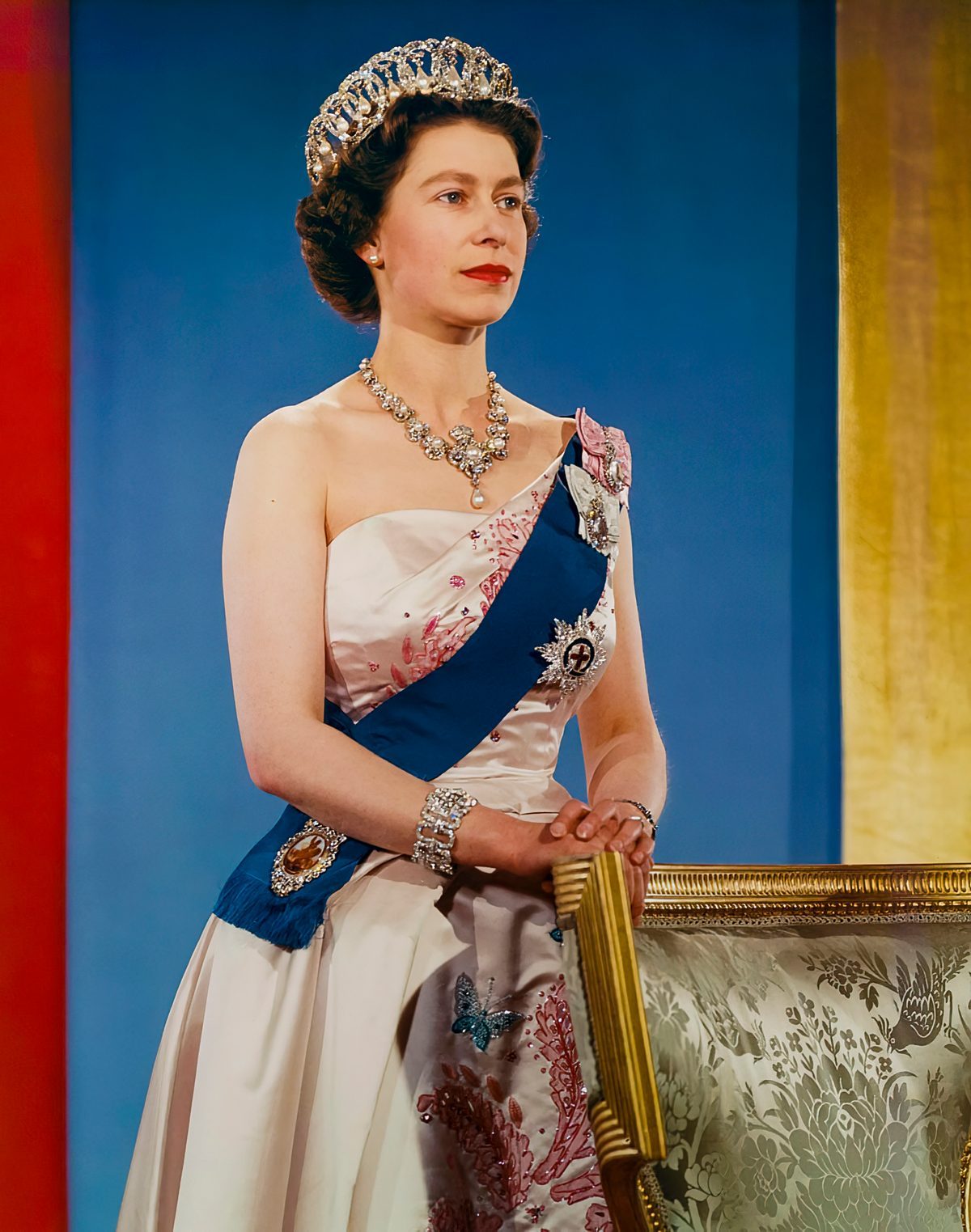
📷 Photo: Donald McKague. Public domain via Wikimedia Commons.