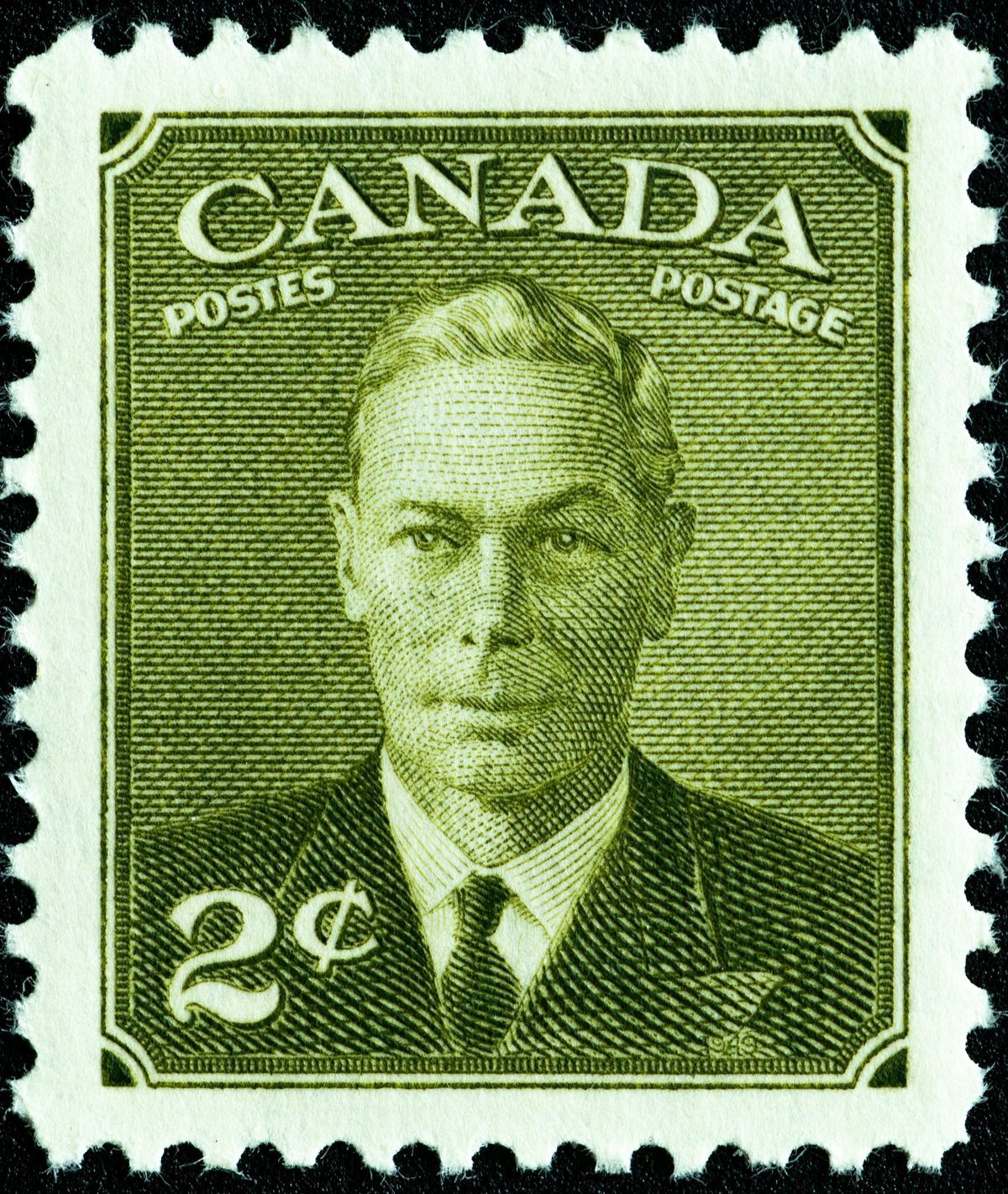
The dusk of June 5, 1944, wrapped a tense world with bated breath. As the Allied Forces prepared for the largest seaborne invasion in history, their destinies weighed heavy not only upon the soldiers and generals but also upon a sovereign tucked away within the hallowed halls of Buckingham Palace. King George VI, known more for his stammer and quiet strength than for grandiose gestures, chose this pivotal night to retreat into solitude. The King, whose duty had always been interwoven with the lives of his subjects, spent this profound night not in public display but in private communion—on his knees, reaching out for divine intervention for the men about to change the course of history.
A Royal Heart Torn by History
Throughout his reign, King George VI served as a symbol of resilience. Assumed to be a lesser candidate for the throne because of his introversion and speech impediment, he rose unexpectedly to the role following his brother’s abdication. In the tumultuous landscape of World War II, the King’s genuine engagement with the nation drew admiration and loyalty from a populace yearning for steadiness. His unscheduled, personal vigil on the eve of D-Day was no mere ceremonial duty—it was an intensely human moment, mirroring the hopes and fears of countless families across Britain.
At the heart of a nation besieged by war, royal customs dictated that the monarch lead with unwavering composure. Yet, as the world stood on the brink of a definitive battle, George VI’s actions on that fateful night bridged the chasm between sovereign and citizen. Laying aside the trappings of his station, he connected with the fundamental, collective yearning for peace and safety.
The Sacred Silence of Buckingham Palace
In the grand arena of Buckingham Palace, where past and present weave a tapestry of the British monarchy, existed a small, unadorned sanctuary—the King’s private chapel. This was his chosen retreat on the night before Operation Overlord. Absent of attendants, devoid of pomp, the chapel became a sacrosanct space where George VI could seek solace and fortitude. As history often does, the whispers of this night are shadowy, recounting no details beyond the understanding that the King knelt alone, immersed in prayer.
The evening’s stillness was punctuated only by the thoughts and petitions of a monarch cloistered in reflection. Amidst the silent halls, the quiet crept into every corner, enshrining a solemn moment in time. Conversations with advisors, commanders, or even his family were deliberately relinquished for these private hours, illuminating a monarch’s profound recognition of both his limitations and his intercession’s potential power.
An Army of Thoughts and Prayers
While the Great War loomed in collective memory and the world’s future balanced precariously, George VI’s vigil embodied the deep bonds between Britain's leader and the armed forces. For him, their bravery was more than symbolic; it was visceral and personal. Having himself served in the Royal Navy during World War I, the King was acutely aware of the tangible fear and high stakes involved in warfare.
Thus, his prayers extended over 156,000 combined Allied troops—British, American, Canadian—all facing the sheer cliffs of Normandy. In his petitions, George VI undoubtedly asked for protection and strength for those soldiers far from home, for courage to steer them through chaos, and for clarity of judgment to guide them towards victory. His entreaties echoed through the night, anticipating every wife’s wish and mother’s hope as they awaited news of their loved ones.
A King’s Quiet Confidence
The quietude of King George VI’s vigil contrasts starkly with the frenetic energy of the war strategies being deployed. It reveals a deeply human monarch, conscious of his role not just as a figurehead of military authority but as a beacon of moral support. Widow to the chaos were his words the next day, when he addressed the nation. His voice, familiar and sincere, marshaled a shared resolve to persevere, reminding his subjects of unity and the indomitable spirit of good overpowering evil.
George VI’s actions exemplify leadership enriched with humility, where prayer becomes a powerful invocation of community and hope. He understood that his position offered no earthly intervention—but through faith and earnestness, he could bind together a collective hope poised for triumph.
The Legacy of a Night in Prayer
Today, as time stretches the events of D-Day into the annals of history, King George VI’s solitary vigil on that night endures as a touchstone of intangible, tender power. The instance speaks volumes about the enduring strength born from empathy and quiet contemplation. This moment transcends time, offering reflections for a modern audience—integrating historical legacy with present-day consciousness.
The King’s midnight sojourn solemnly beckons us to remember that even within the gilded realms of monarchy, it is the understated acts of humanity that resonate most deeply. As we look to history for guidance, we find, endlessly relevant, the heart of a king kneeling resolutely for peace. In today’s world, where challenges might differ but strive for unity persists, the legacy of King George VI’s private devotion remains akin to starlight—alluring, warm, and eternal.
📷 Photo: Hayden Soloviev. CC BY 4.0 via Wikimedia Commons.