She was 20 years old, five feet tall, and the most powerful woman in the world. Yet, in the halls of Buckingham Palace during the crisp autumn of 1839, Queen Victoria faced a moment no protocol could prepare her for. There was no script for this play, no manual to guide her. By the convention of the time, as a reigning queen, the onus fell strangely upon her. She needed to propose — a daunting task that would challenge the very conventions of a society steeped in tradition. And so began one of history's most tender love stories, destined to be etched in the annals of royal romance.
The Unconventional Protocol of Royal Proposals
In the 19th-century world of strong conventions and gender norms, it was a rarity for women to propose marriage. However, in the case of the sovereign of the British Empire, Victoria had to embrace this uncommon tradition. Royal law dictated that no man could propose to a reigning queen. As sovereign, Victoria had to initiate what was undoubtedly a profoundly personal and vulnerable declaration.
The setting for this historic moment was the heart of British monarchy — Buckingham Palace. Newly renovated under Victoria's reign, the palace was a symbol of power and culture. But within its grand rooms and halls, an element of warm humanness played out, framed by the radiance of candles and the hushed rustling of regal silks.
A Love Nurtured by Time and Patience
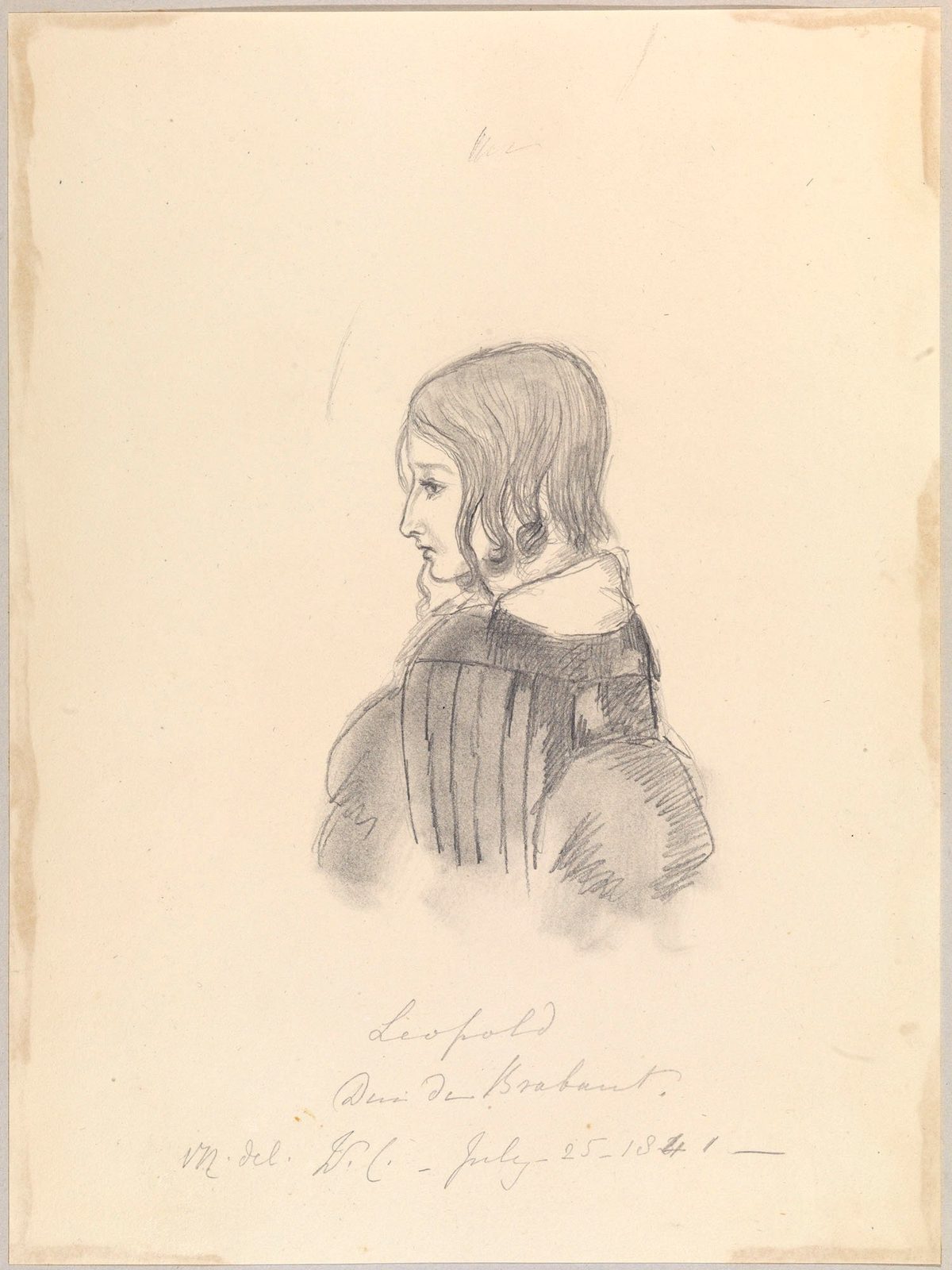
Victoria and Albert’s connection was not one of whimsical infatuation, but of blossoming admiration and shared ideals. Having met during their childhood, the seeds of mutual affection were sown early. Albert, the handsome prince from the small German duchy of Saxe-Coburg and Gotha, had been selected with purpose by Victoria’s esteemed advisor and uncle, King Leopold of Belgium.
Unlike other suitors whom she found lackluster, Albert struck a different chord. He was her intellectual equal — a man of profound thoughtfulness and sincere charm. During his visit to England in October 1839, their friendship deepened significantly, with Victoria finding herself increasingly drawn to the young prince's quiet strength and lively intellect.
The Intimate Proposal
On November 15, 1839, Victoria took a step that would forever change her life. With determination, she summoned Albert to her private sitting room — a sanctuary decoratively adorned but intimate, away from prying eyes and the ever-present courtier gossip.
In an atmosphere suffused with anticipation and the weight of tradition, Victoria told Albert of her love. The moment was imbued with sincerity and genuine affection. In the face of such candid emotion, Albert said yes — a nod to both love and duty.
Later, Victoria would write in her diary that this decision was the happiest of her life. It was not merely a union of political necessity, but one that promised companionship and deep affection. In a world where her every action bore the weight of a nation, this was a rare moment where personal and royal interests mirrored one another.
The Royal Wedding of the Century
The engagement, sealed with an exchange of ardent, heartfelt promises, delighted many in the realm. The royal wedding was set for February 10, 1840, in the Chapel Royal at St James’s Palace. It was a ceremony wrapped in the pageantry of tradition, yet suffused with the warmth and intimacy that characterized their relationship.
Victoria chose to wear a simple yet elegant white gown — a trend-setting choice that would influence bridal fashion for generations to come. Albert's kind demeanor and genuine happiness were as visible as the unity symbolized by their joining hands.
Against a backdrop of celebratory crowds and the resonant melodies of church bells, England rejoiced alongside its queen. In Albert, Victoria not only found a husband but a partner who would share in the burdens and joys of sovereign rule.
A Legacy of Romance and Partnership
The marriage of Victoria and Albert transformed beyond mere alliance; it cemented a partnership that would enrich the monarchy and the British society. Albert became not just her husband, but her confidant and closest advisor — a role he embraced with earnest dedication.
Together, they cultivated a court that cherished the arts, championed advancements in science and technology, and steered the monarchy closer to the hearts of the people. With their mutual support, Victoria’s reign was defined by profound progress and societal transformation, underscoring the depth of their combined legacy.
The poignancy of their love story speaks to the timeless nature of personal connections transcending societal and royal norms. It is a testament to the nuances of love, the willingness to defy convention, and the power of mutual respect and affection.
Today, the story of Queen Victoria and Prince Albert continues to resonate as a remarkable illustration of love enduring, underscored by the forces of tradition and change. Their legacy reminds us that even within structures seemingly rigid, the heart finds pathways of extraordinary expression, echoing a partnership whose essence remains as stirring as ever.
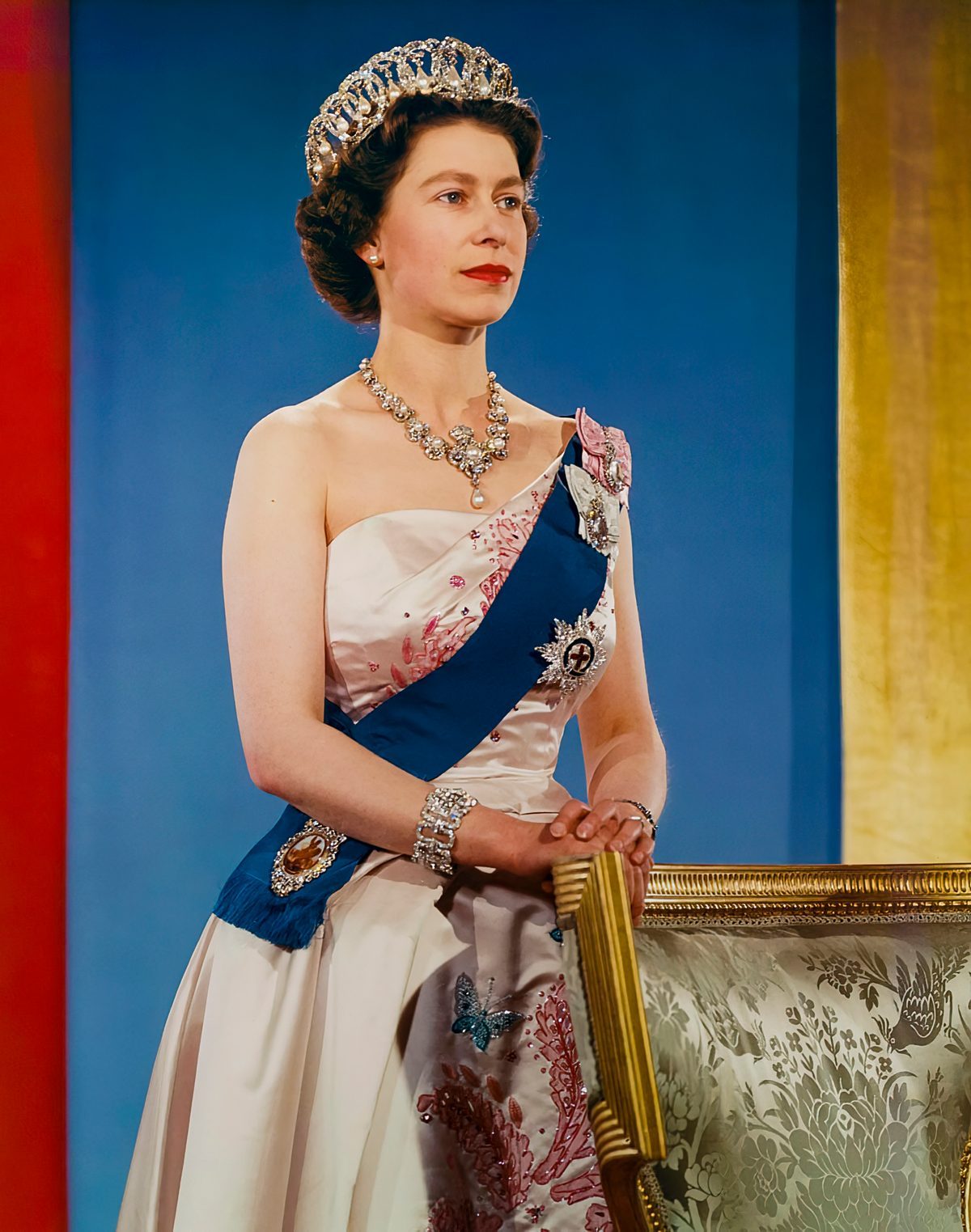
📷 Photo: Victoria. Public domain via Wikimedia Commons.