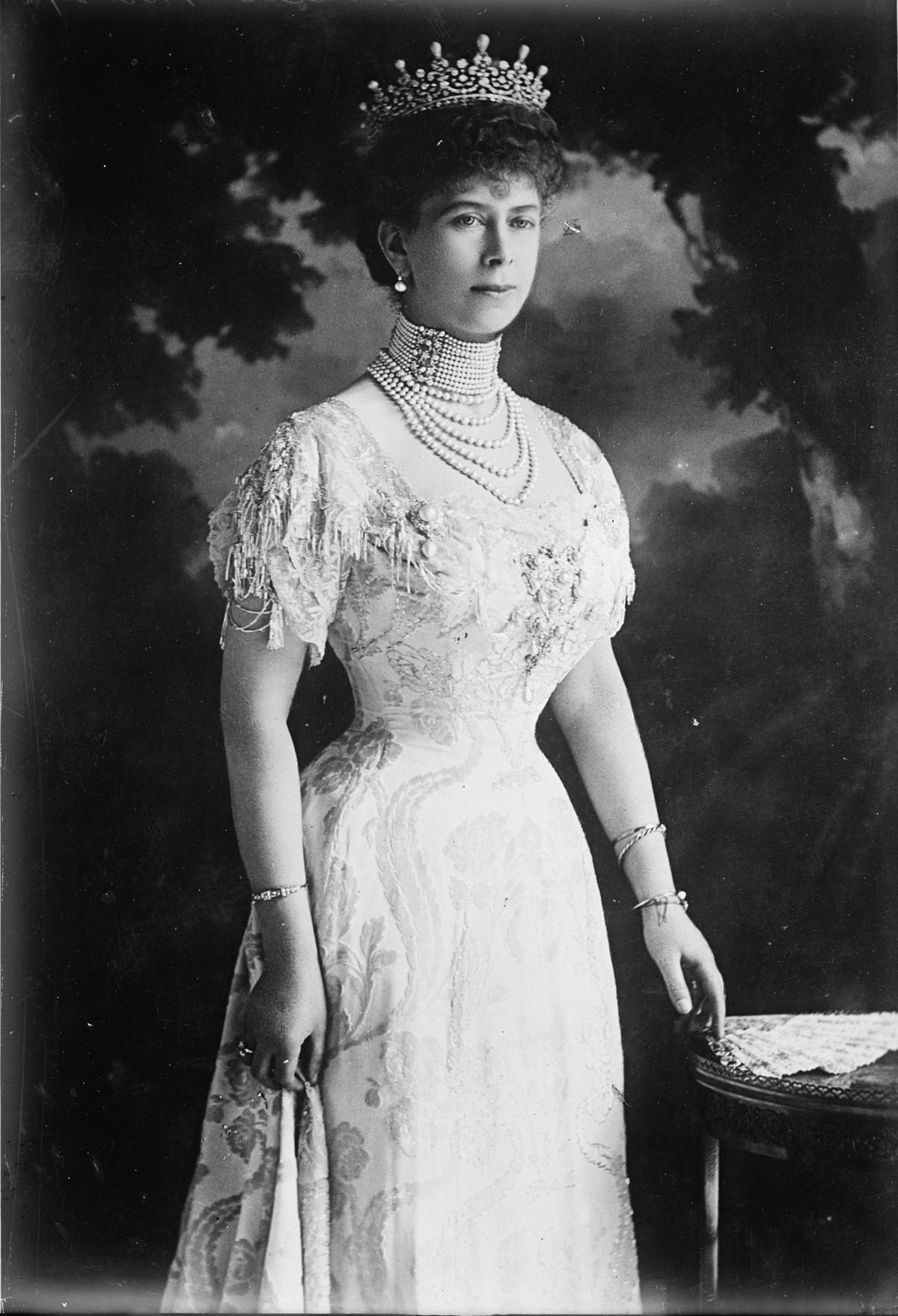

The image of the British royal family is often associated with grandeur, stately mansions, and grandiose events attended by the who's who of the world. Yet, beneath the gilded facade lies another story, one where compassion and a relentless drive to uplift others reside. In April 1991, Princess Diana, the "People’s Princess" unequivocally exemplified these values as she quietly visited a London HIV ward. This visit went unannounced and was devoid of the splendor that typically accompanies her appearances, but it undeniably changed the course of perception and understanding surrounding the HIV/AIDS crisis globally. Her visit was not merely a moment of sombre reflection; it was an act of humanity that rippled through the corridors of both the palace and society.
An Unassuming Act of Kindness
In 1991, the world was still grappling with misconceptions about HIV/AIDS. It was a time marked by widespread fear and stigma, where those diagnosed were often ostracized by society and, at times, even family. Against this backdrop, Princess Diana, known for her trailblazing humanitarian efforts, chose to walk an uncharted path. Without the trappings of her royal retinue or the glare of press cameras, she entered an HIV ward in London.
Diana's decision to forgo press coverage was deliberate. She sought no applause, only to extend her hand and heart to those who felt isolated and forgotten. One particular anecdote from this visit has been recounted through time: Diana's interactions with a dying patient who described her visit as transformative. The patient, who succumbed to the illness merely three days later, experienced a brief, vital sense of dignity and belonging in Diana’s presence. This human connection, unfiltered and genuine, was an affirmation that they mattered—a mantra that Diana carried into all her charitable endeavors.
The People's Princess: Beyond the Palaces
Princess Diana's compassionate activities were emblematic of her personal mission to bridge the gap between the monarchy and everyday people. Born into nobility, she understood the privilege her position bestowed yet used it as a platform to advocate for change and inclusivity. Her role in dismantling the barriers of social prejudice was significant, especially within the traditionally restrained royal household.
This unconventional approach was sometimes met with resistance, but Diana remained unfazed. Her work was not overshadowed by royal protocols or societal constraints. Instead, her actions highlighted the potential of the monarchy to affect positive change, reflecting a modernized, empathetic institution. Her legacy extends beyond her years, embodying the royal family’s evolving relationship with charity and advocacy.
The Ripple Effect: Changing Perceptions and Policies
Princess Diana’s quiet visit to the HIV ward resonated beyond personal narratives—it fundamentally shifted public perception and catalyzed tangible change. Her willingness to touch, embrace, and sit beside those living with HIV/AIDS challenged the stigma attached to the virus. Through her actions, Diana humanized a misunderstood condition and brought it into the public conversation, promoting awareness and a much-needed discourse on empathy and support.
The impact of her efforts reverberated through policy changes, increased funding for research, and growing compassion towards the afflicted. Diana's advocacy work continues to inspire global leaders and organizations to strategize against social stigmatization, demonstrating the power of compassionate leadership.
Diana's Legacy: A Compassionate Monarchy
The effects of Princess Diana's activism didn’t end with her untimely passing. Her sons, Princes William and Harry, have inherited her philanthropic spirit, continuing to champion causes related to mental health, HIV/AIDS, and youth empowerment. The royal family, taking cues from Diana’s empathetic approach, remains committed to using their visibility and resources to bring pressing societal issues to the forefront.
As history progresses, Princess Diana’s legacy reminds us of the profound impact of measured compassion. Her life serves as a testament to the royal family’s capacity to effectuate meaningful progress and nurture connections that transcend societal divisions. Today, as we reflect on her influential endeavours, we find a reminder that kindness and empathy remain powerful catalysts of change—a lesson that resonates just as strongly in our modern world.
📷 Photo: Russ2009. CC BY-SA 2.0 via Wikimedia Commons.