Queen Victoria's Intimate Farewell: Sketching Prince Albert in Death
Prince Albert's untimely death on 14 December 1861 cast a shroud of deep mourning over the British monarchy and the entire country. At the heart of this tragic episode lay an intimate gesture by Queen Victoria, one that revealed the depth of her devotion to her beloved husband. This final act of love, conducted in the quiet solitude of Windsor Castle, not only highlighted the profound personal bond they shared but also offered a poignant glimpse into Victoria's humanity beyond the crown.
The Irreplaceable Consort
At just 42 years old, Prince Albert's unexpected demise from typhoid fever left the vibrant era of their joint rule abruptly shaded by perpetual gloom. Albert was not just Victoria's beloved spouse; he was a co-monarch in every sense but title. As Prince Consort, Albert diligently supported Queen Victoria in ruling a vast empire and shared her vision for progress and reform. The royal couple’s marriage had grown to symbolize a unique partnership, balanced by love and reverence for duty, making his death an unfathomable personal and national tragedy.
The royal court had often remarked on their profound partnership. Despite their differences — Victoria’s outward emotionalism and Albert’s introverted intellect — the couple complemented each other perfectly. Albert was both a visionary and a stabilizing force, advocating for modernization in education, art, and industry. His absence was more than a personal sorrow; it left a vacuum in the monarchy’s path towards modernization.
A Queen in Mourning
In the hours immediately following Albert’s death, Queen Victoria retreated to a private, deeply personal response to her staggering loss. Those close to her remarked on her resolve to remain beside his lifeless body, unable to part from him. Guided by a profound blend of denial and devotion, Victoria sought solace and remembrance in an act that was both ritualistic and intimately creative: she sat down to sketch his face.
While Victorian-era decorum generally dictated certain constraints in the public displays of grief, Victoria’s sorrow was palpable and unrestrained. Her sketch, a tender portrayal etched with love and longing, captured not just Albert’s likeness but the essence of their life together. It was a quiet protest against time’s relentless march, a bid to preserve him in her heart through the permanence of art.
Art as Solace and Memory
The act of sketching Prince Albert in death can be seen as an extension of a lifelong passion and a coping mechanism against encroaching despair. Throughout her life, Victoria had found solace in sketching and painting, and these intimate artworks often offered a glimpse into her private world away from the demands of royal duties.
By committing her final vision of Albert to paper, Victoria crafted a personal memorial that transcended the limitations of physical separation. It was as if she feared that, without constantly reminding herself of his face, she might lose him forever to the mists of time. Here, art became more than an escape; it was a resurrection of memory—a means of holding onto the warmth of shared moments, the comfort of whispered dreams, and the silent communication of two hearts beating in harmony.
Legacy of Devotion
In the years that followed, Queen Victoria clung to Albert’s memory with an intensity that often perplexed and moved those around her. She wore mourning black for the rest of her life, sequestered herself from public life for many years, and transformed rooms within her residences into shrines of remembrance. This elaborate homage was viewed as both a profound testament to her love and a symbol of enduring royal sorrow.
The artistic endeavor she undertook on that fateful December evening held a quiet significance; a solitary queen’s attempt to articulate unspeakable loss transformed into a timeless expression of devotion and fidelity. It became a relic of love eternal, a thread binding the past with the ever-forward march of history, a whisper of humanity from beneath the crown.
The Timeless Humanity of a Monarch
Queen Victoria’s final act of sketching Prince Albert in death reminds us that royalty, with its grand traditions and illustrious pomp, is rooted deeply in human experiences of love, grief, and impermanence. This vulnerable moment illuminates the softer stories that weave through the fabric of the monarchy, stories that speak to the shared human condition and the timeless quest for connection.
In today's world, where the lives of royals are often scrutinized under the public’s eye, Victoria’s gesture stands as a powerful reminder of the enduring love that can give strength through adversity. It calls to mind the enduring bonds that unify us all, whether royal or commoner, across the expanse of time and space.
Through this poignant narrative of Victoria’s mourning, we glimpse a universal truth: that love, in its various forms, is an indelible force that forges legacies and shapes destinies. In the silence of those candle-lit hours at Windsor, the young queen’s artistic gesture transformed her sorrow into a hymn of eternal devotion, a timeless testimony to the union of two souls imperishably intertwined.
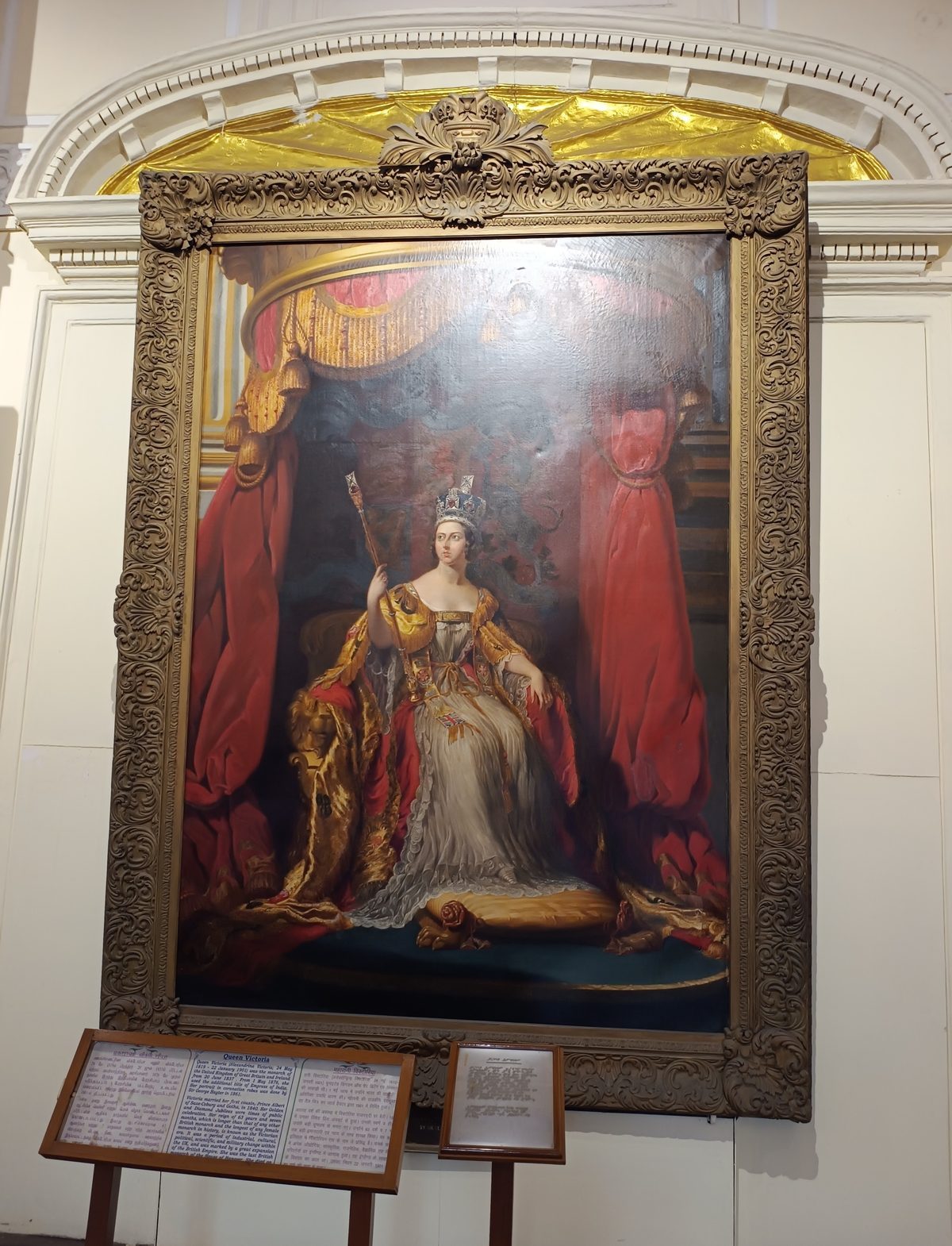
📷 Photo: N. Vivekananthamoorthy. CC BY 4.0 via Wikimedia Commons.