The Last Siege of King Richard I
On a brisk April day in 1199, the tumultuous life of King Richard I, known to history as Richard the Lionheart, reached its dramatic conclusion at the walls of Châlus-Chabrol, a relatively inconsequential castle in the heart of Aquitaine. Richard, who had spent much of his reign embroiled in the complexities of Crusades and continental power struggles, encountered a foe unlike any he had faced before. The castle, neither grand nor strategically crucial, became the backdrop for a moment that would illuminate the king's character in a way battle victories and royal ceremonies never could.
As one of England's most formidable warrior kings, Richard had earned respect and fear across Christendom, not merely for his martial prowess but for his unwavering commitment to chivalric ideals. Yet, it was at Châlus-Chabrol, with a seemingly innocuous crossbow bolt lodged fatally in his body, that Richard chose a course of action that stunned not just his courtiers, but even the sensibilities of his time. It remains a moment enshrined in the annals of royal history — one where mercy prevailed on the precipice of death.
The Siege and the Bolt
The events leading to Richard's mortal wounding were almost anticlimactic for the warrior king. Having returned to his French territories after a series of exhausting Crusades and political scuffles, Richard's focus had shifted to consolidating power and wealth. Châlus-Chabrol, a small castle under the control of the Viscount of Limoges, was reputed to hide a treasure trove — taxes and dues withheld from the king. It was during this siege that fate intervened.
On April 25th, as Richard inspected the besieged castle's defenses, a young archer, identified in various historical accounts as Pierre Basile, steadied his crossbow and released his bolt. The missile struck Richard near the left shoulder, causing a wound initially thought to be trivial. However, a botched extraction led to a dire infection. The king, known for his indomitable spirit on the battlefield, was felled not by an army, but by the poisoned consequences of a single archer's arrow.
Kingly Clemency in the Face of Death
As Richard lay dying, the expectations of medieval retribution loomed large. Custom dictated harshness; revenge was the currency of kingly justice. But Richard’s burgeoning infection and the weight of mortality brought out a different king: one who, stripped of armor and throne, embraced a deeply human moment of grace.
Upon summoning the archer, Richard witnessed a terrified young man brought before him. Accounts describe the scene with a sense of the unreal — a wounded king, struggling against death, encountered the embodiment of youthful defiance turned regret. Yet, in this intimate exchange, Richard’s true colors were revealed. The king, in a final assertion of his will, astonished all by offering forgiveness to Basile. More than that, Richard ordered that the boy be set free, leaving his entourage awestruck and history with a story of unparalleled compassion.
The Heart of Richard the Lionheart
What drove Richard to such an extraordinary act of clemency is a matter of speculation. Perhaps it was a recognition of the universality of his circumstance or an understanding of the futility of revenge in the face of death. Some suggest it was the effective closure of a life where Richard, so often consumed by the demands of rulership and war, found solace in an act of sincere humanity.
This incident reflects more than a perhaps misunderstood king’s personal resolution; it illustrates the values around honor and mercy that Richard held dearly. He lived by the sword, with few contemporary accounts disparaging his lack of fortitude or strength. Yet, in his final moments, Richard ensured his legend would also encompass the more nobler spectrums of royal duty — clemency and justice.
A Lion’s Legacy
Richard the Lionheart’s death came swiftly after his magnanimous decision, a quick silver departure fitting for a king who lived most of his life across the Channel and beyond his own realm’s borders. The fallout was immediate, thrusting the Angevin Empire into disarray and setting the stage for his brother John’s problematic reign.
However, Richard's esteemed legacy is not merely confined to his battle exploits or crusading ambition. His final act at Châlus-Chabrol ripples forth as a testament that even history’s warriors are capable of profound humanity. Forgiveness at the threshold of the unknown is emblematic of enduring chivalric ideals, inspiring even today’s world to envision leaders who wield their power with compassion.
In the grand tapestry of royal history, Richard's final command invites us to recognize individual narratives within the epic of kings. His action remains as relevant now as in 1199, a reminder of the timeless power benevolence holds in leaving a legacy worth remembering. Just as Richard’s heart inspired steadfastness, his overwhelming grace adds an everlasting sheen to his dominion over valor and virtue.
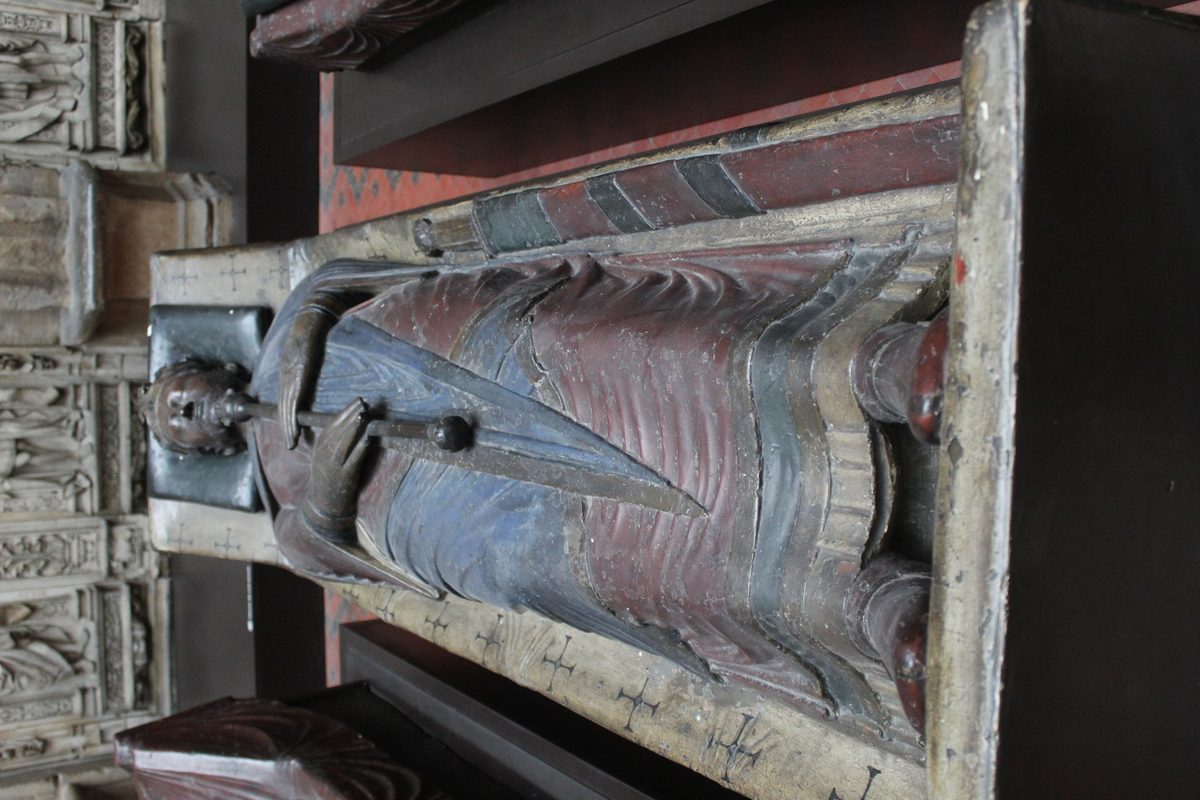
📷 Photo: 14GTR. CC0 via Wikimedia Commons.