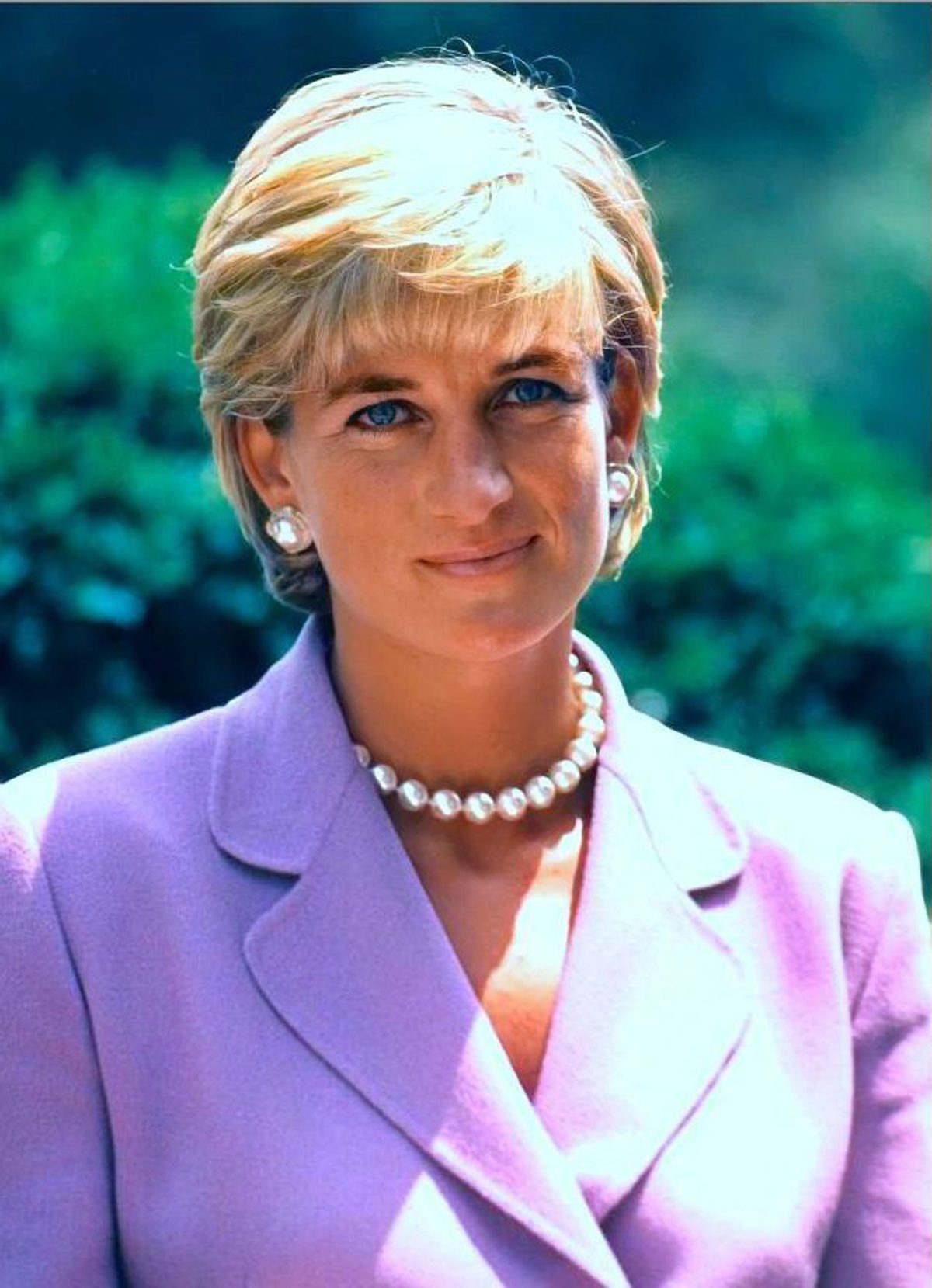
Her presence was electric, her charm was inescapable, and her compassion seemed limitless. Princess Diana, one of the most beloved figures of the 20th century, managed to captivate the world with little more than a smile and a gentle grace that extended well beyond the barriers of royalty. On a seemingly ordinary afternoon in 1993, she did something profoundly human and endearing—sitting cross-legged on the floor of Kensington Palace, surrounded by a scatter of brightly colored Lego pieces, alongside her two young sons, Prince William and Prince Harry. For Diana, this was not just a rare retreat from royal protocol but an ongoing testament to her role as a devoted and nurturing mother.
The People's Princess Building with Lego
Princess Diana was known to shake up the perception of royalty at every turn. Described as the 'People's Princess,' she became renowned for her humanitarian efforts and a genuine warmth that resonated deeply with people across the globe. Breaking away from royal traditions was no easy feat, but Diana possessed an uncanny knack for making the extraordinary seem normal. Amidst daily engagements, public appearances, and press scrutiny, Diana found solace and joy in her children. She approached motherhood with a refreshing authenticity — a hands-on manner that royal watchers had seldom observed.
It was these moments — a princess happily unbound from regal constraints, cross-legged amid toy bricks — that encapsulated her revolutionary approach to royal motherhood. Though the royal court was accustomed to its own rhythm and routines, Diana's way with her sons signified a shift. Motherhood was paramount, and as the aide inadvertently walked in on that afternoon scene, Diana's soft declaration, "We're building," spoke volumes about her priorities.
Royal Traditions vs. Diana's Approach
The British monarchy, an institution rooted deep in history and tradition, had long dictated the early lives of royal children. Royal offspring were often under the watchful eye of nannies, tutors, and, occasionally, state planners. These trained professionals ensured that the young royals followed a rigorous schedule, every minute accounted for in a bid to prepare them for public duties.
However, Diana refashioned this narrative, seeking a balance that intertwined duty with genuine maternal involvement. It wasn't just about defying royal conventions; it was a conscious effort to create space for her sons to experience childhood like any other. School drop-offs, amusement park visits, and even fast food runs became not just possibilities but joyful realities. In Diana's eyes, building blocks on the floor wasn't just child's play; it was a fundamental building block in fostering a loving and relatable family dynamic.
The Kensington Palace Homefront
Even within the ornate walls of Kensington Palace, the environment Diana cultivated was lively and, above all, real. When you conjure up images of a royal palace, visions of pristine gardens, gilded rooms, and ballroom frolics probably come to mind. Yet within this backdrop, Diana created a warm, inviting haven for William and Harry — a sanctuary that embraced laughter, creativity, and love.
Her decision to sit on the floor might have seemed a trivial act, yet it was emblematic of her desire to dismantle old conventions and build something anew. By engaging in her children's world, Diana was also laying the foundation for emotional intelligence, something not always prioritized amidst royal duties. It was a teaching moment; for her boys, it was about teamwork and imagination, and for Diana, it was another step towards ordinary parenthood, made extraordinary by sheer affection.
The Legacy of Diana's Motherhood
Diana's legacy is an enduring testament to her unique take on royalty and a nuanced understanding of the delicate balance between duty and familial bonds. Her influence as a mother continues to permeate through her sons today. William and Harry have publicly acknowledged the indelible impact of their mother's love and the values she instilled in them during those seemingly modest moments of shared joy and exploration.
Her willingness to engage with her sons in such a personable way contributed significantly to modernizing the monarchy. She sparked a precedent that has encouraged subsequent generations to embrace more open, emotionally connected family roles. It reminds us even today that while traditions are the bedrock of royalty, it is the empathy and warmth behind those traditions that capture hearts worldwide
The Timeless Appeal of the Royal Family
As a timeless cultural institution, the British monarchy continues to captivate hearts and minds. Its lure stems not only from ceremonial grandeur but from the human stories within its fold—stories like that of Princess Diana embracing the joys of motherhood, as elegantly fitting as the crown jewels. While the world spins into an ever-changing future, the royal family's poignant narratives, full of love, resilience, and duty, play a pivotal role in maintaining its endearing allure.
What Diana's small act that afternoon in 1993 truly teaches us is the power of authenticity and connection. By bridging the traditional with the modern, the private with the public, she rendered the royal approachable and the grand relatable. In her legacy, we find a blueprint for navigating our own lives with grace—emphasizing that the extraordinary is often forged in the smallest of acts.
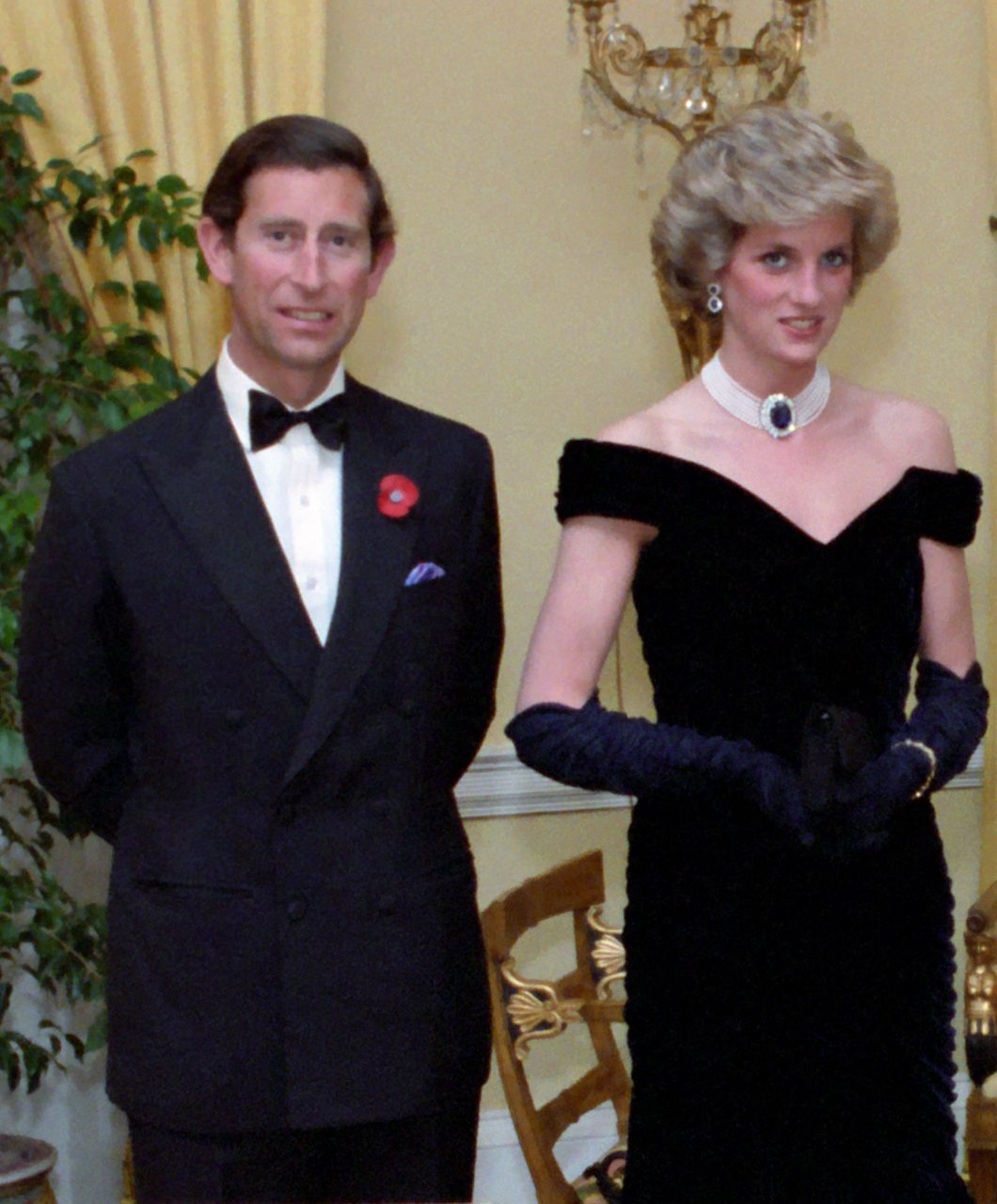
📷 Photo: John Mathew Smith & www.celebrity-photos.com from Laurel Maryland, USA. CC BY-SA 2.0 via Wikimedia Commons.