The Quiet Night Before the Coronation
The eve of the coronation of King George V in 1911 was a grand, expectant night across Britain, full of anticipation and excitement. The streets of London thronged with festivity, aglitter with the golden light of countless lamps and the jubilant echoes of celebration. Inside Buckingham Palace, however, a single flickering light persisted into the small hours of the night. It was the light of the new king's study, where King George V was undertaking his own unique, solitary preparation for the ceremony that awaited him.
While the nation prepared to watch with eager eyes, the king had a personal concern that few could comprehend. More than any fear of public scrutiny, King George V faced a formidable challenge of a physical nature. The crown he would wear weighed nearly five pounds, and the robes even more. The grandeur of full regalia was both an honor and a burden, with the very real possibility of a literal stumble under its weight—a fear he wanted to keep hidden despite his prowess as a naval officer accustomed to rigorous demands.
The king's heart swelled with a solemn resolve. Determined and alone, under the glow of his study lamp, he knelt and rose over a dozen times, practising the exact movements that would carry him through the most important ceremony of his life. This quiet nocturnal rehearsal was a defining moment for the monarch, who would carry its memory as a talisman of stability and poise throughout his reign.
An Heir Prepared for the Crown
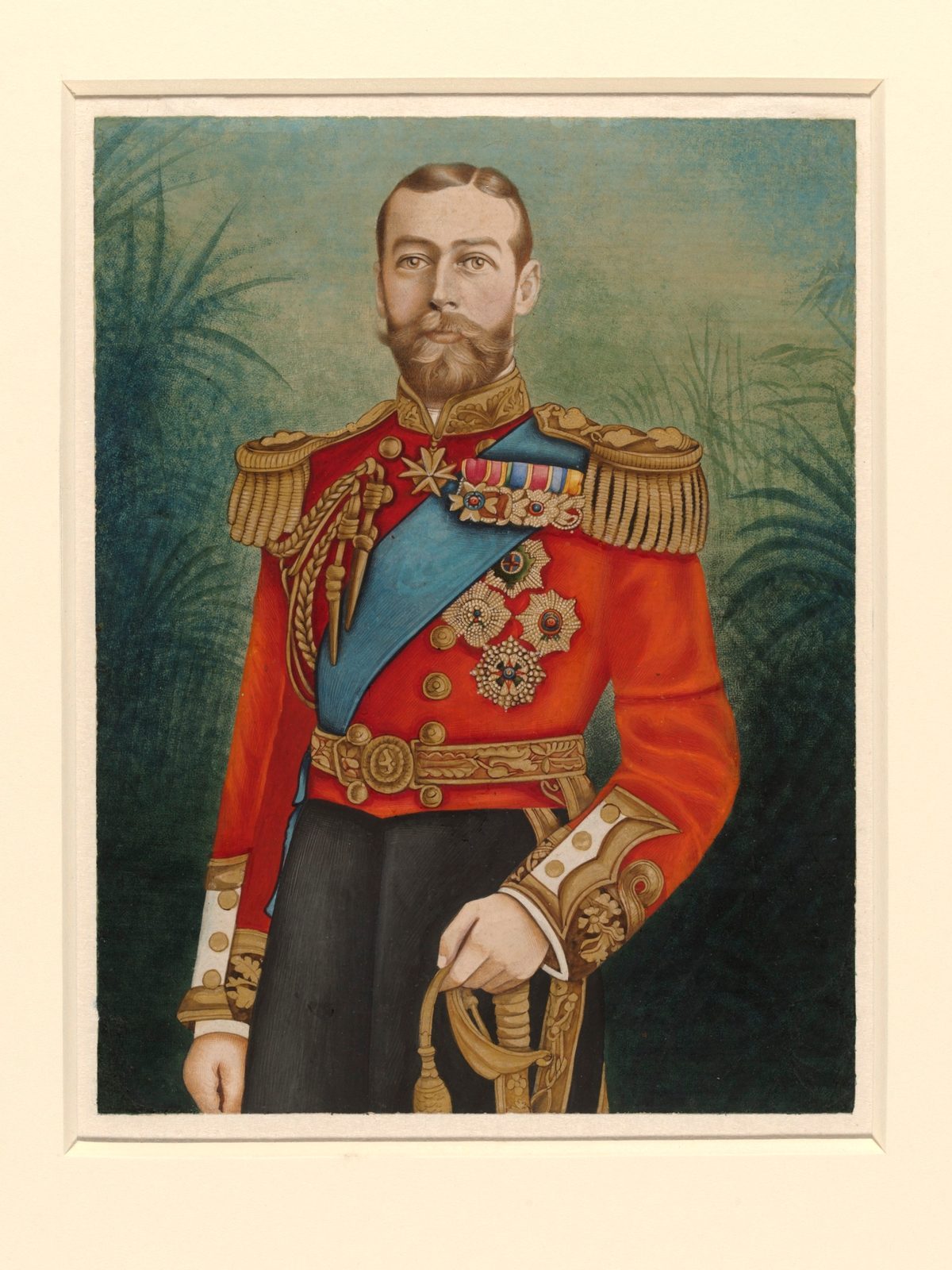
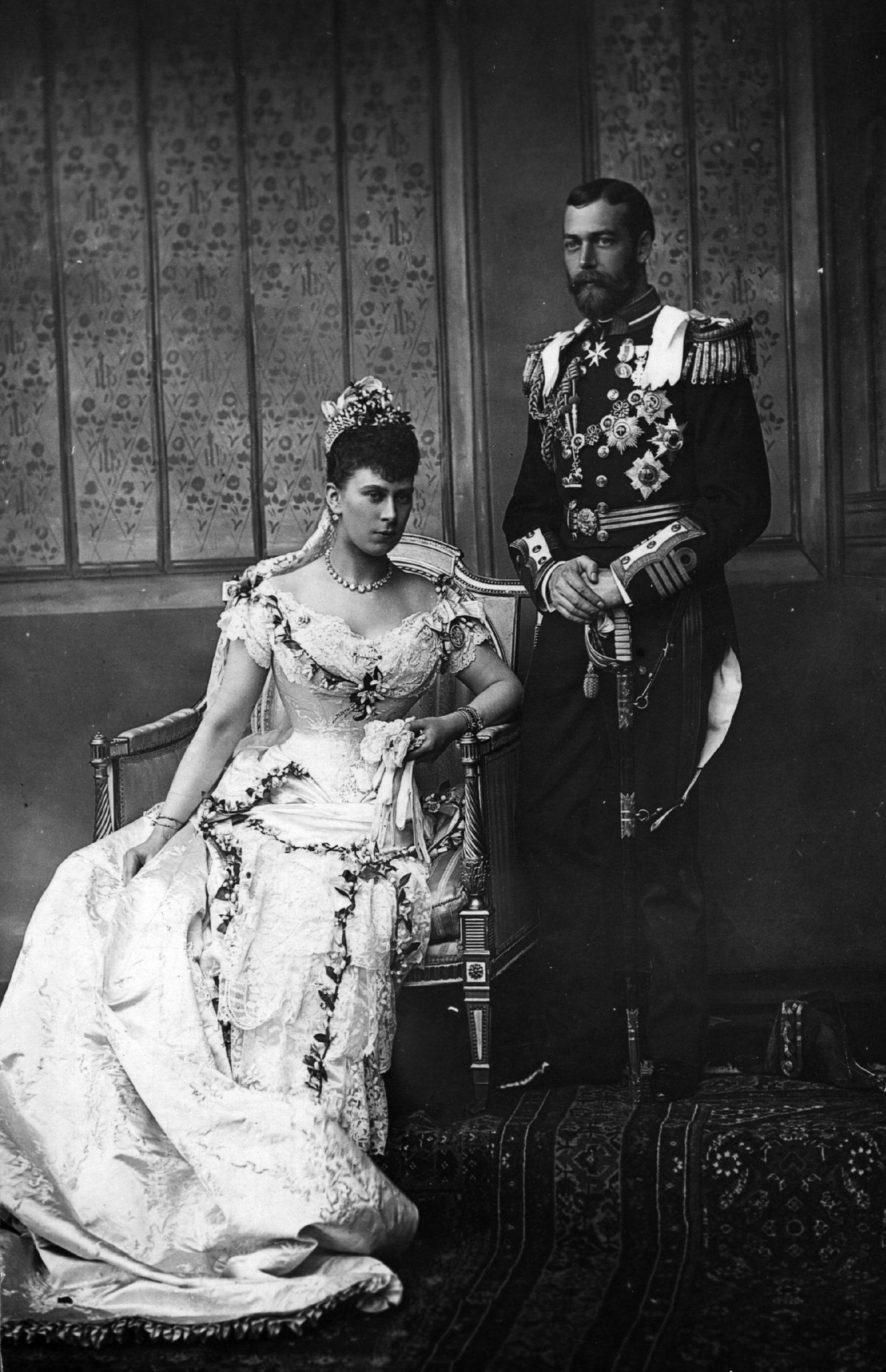
George Frederick Ernest Albert, destined to be King George V, ascended to the throne as an unassuming heir whose life had been woven with the threads of royal duty from birth. Born amidst the opulent history of Marlborough House, he carried with him the weight of legacy, yet without the expectation that he would be king. As the second son of King Edward VII, the trajectory of his life shifted unexpectedly with the untimely death of his elder brother, Prince Albert Victor. Suddenly, the mantle of future king was thrust upon him, redirecting the course of his life forever.
Trained in the rigorous tradition of the Royal Navy, George emerged as a man of discipline and quiet determination. His naval career, punctuated with diverse postings across the British Empire, imbued him with a pragmatic wisdom that was to serve him well as king. With a dedication to duty and an instinct for responsibility that never waned, George V approached his role with a steadfast resolve, a characteristic reflected poignantly in his nocturnal coronation preparation.
The Majesty of the Coronation Regalia
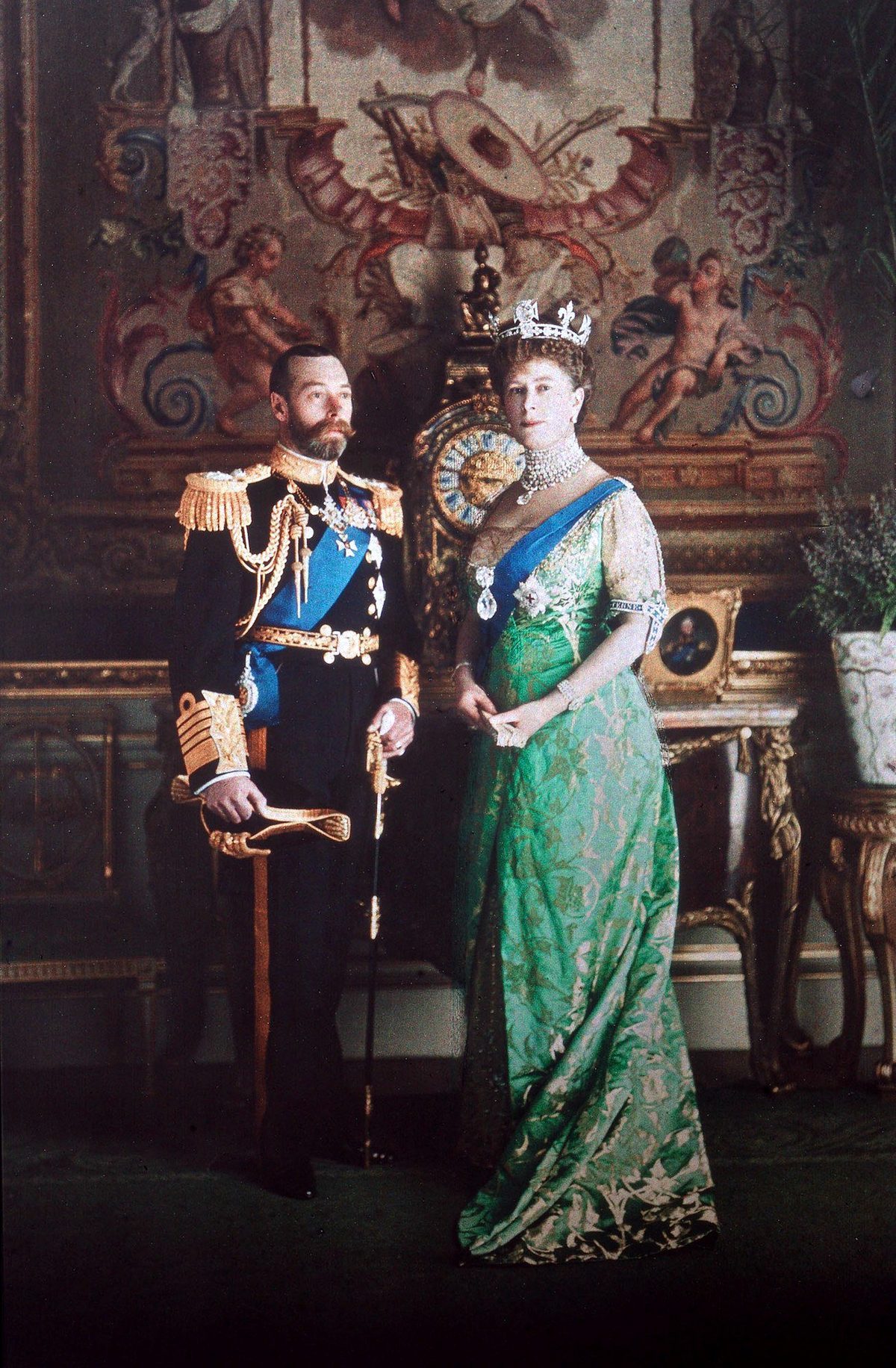
The coronation of a British monarch is an occasion steeped in tradition and grandeur, every detail echoing with the weight of history. At Westminster Abbey, where the ceremony was to unfold, preparations were meticulous and dignified. The regalia, as much a part of the monarchy as the monarch, carried a deep symbolism that was both a blessing and a burden.
The Imperial State Crown, remade in 1937 after George V's reign, was an embodiment of the British Empire, crowned with jewels whose brilliance reflected the richness of history—and a physical challenge with its weight pressing down with nearly five pounds of sparkling opulence. The lush, embroidered robes added to the heft, their heavy folds and intricate designs emblematic of the majestic continuity of the crown. For King George V, ascending to his feet with grace while adorned in such heft was paramount, a vital symbol of his unwavering stability and strength as sovereign.
The Hidden Fears of a King
Yet, beneath the splendor of the robes and crown lay the reality of wearing them, a strenuous task that hung heavily on the king's mind. The world would be watching with expectant eyes, the moment captured in the public memory forever. King George V's concern was distinctly human—what if he faltered amidst such august ceremony? It wasn't just the fear of physical imbalance but the dread of a symbolic misstep that could mar the sanctified ritual of coronation.
King George V's private rehearsal in the quiet of his study was a moment of heartfelt humility, reflecting a man who understood the gravity of his role and the expectations placed upon him. His kneeling practice through the hushed night, away from prying eyes, was a testament to his sincerity and determination to uphold the dignity of his office with every rising step.
A Legacy of Stability and Poise
The coronation itself went flawlessly, the sovereign’s poise unsullied by the physical weight of his regalia, the night’s practice proving its worth. King George V embarked on a reign characterized by deep-seated diligence, calm pragmatism, and a remarkable ability to navigate the swiftly changing tides of the 20th century. His careful attention to stability reverberated through his actions, as he led the nation through World War I and myriad transformations with equitable resolve.
This legendary midnight practice session embodies not only a remarkable royal anecdote but also serves to illuminate the very human story behind the crown. King George V’s tenure is fondly remembered for the enduring stability he embodied, a stability rooted perhaps in the thoughtful deliberations of that night. Today, his story reminds us of the complexities and duties carried by those who wear the crown—a legacy of grace under pressure, sometimes practiced alone by the light of a single lamp.
📷 Photo: Jean Desboutin. Public domain via Wikimedia Commons.