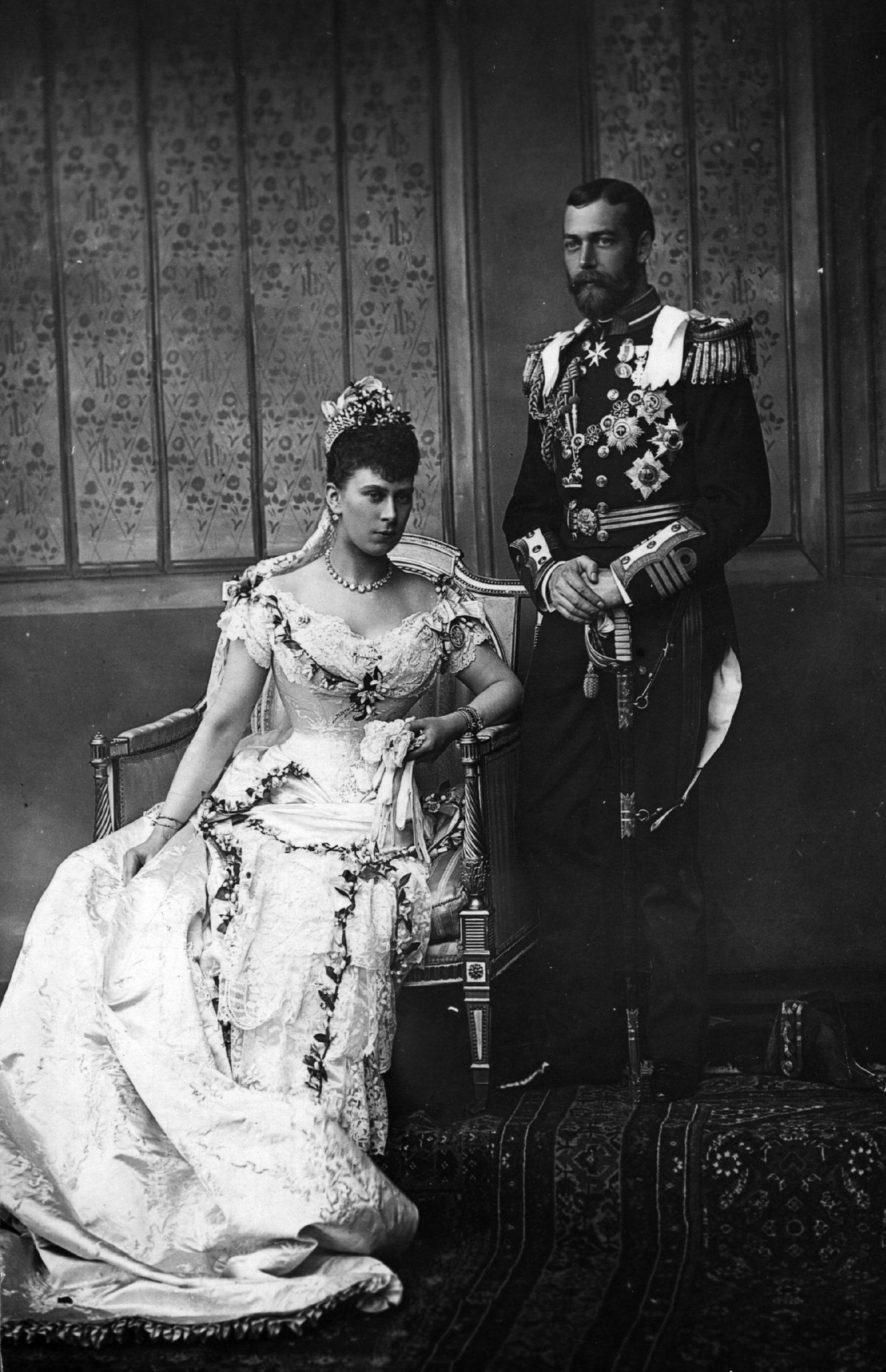
The Bold Elegance of Queen Mary's War-Time Wardrobe
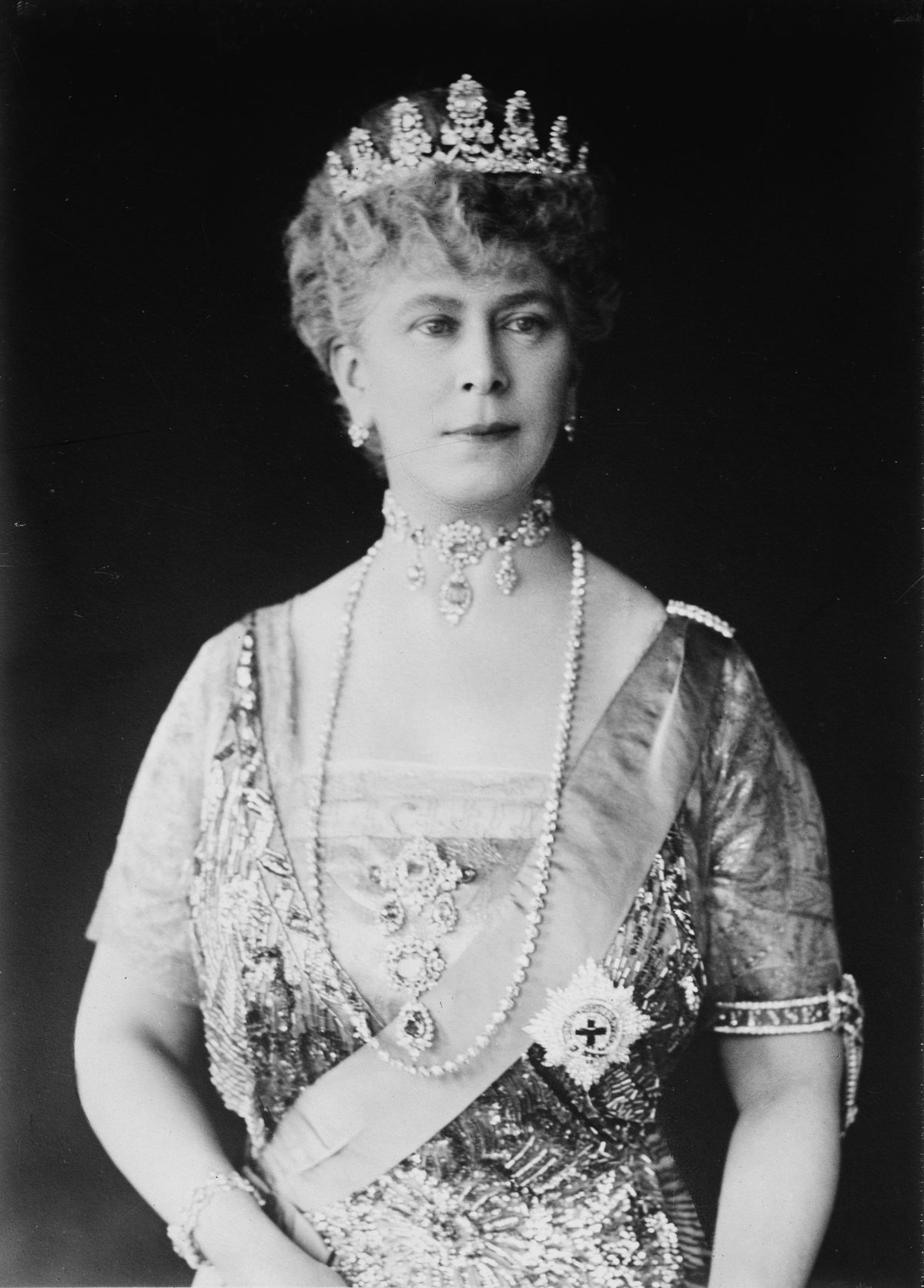
Amidst the palpable austerity of the 1940s, amidst ration lines and air raid sirens, there was a wedding. And at the heart of this union stood Queen Mary—resplendent in ivory silk and her signature ropes of pearls. As brides across Britain went to the altar in borrowed gowns and utility dresses, Queen Mary made a statement unparalleled. Her presence, wrapped in elegance, was an act of solidarity and defiance. She presented herself not as a queen cocooned away from the hardships of her subjects, but as a beacon of hope and dignity.
Fashioning Hope in Times of War
The early 1940s presented a Britain ensnared in the throes of wartime rigor. The government had instituted stringent rationing—a patriotic duty expected from every citizen. Clothing became a precious commodity, and bridal gowns became a luxury few could afford. Instead, the war bride might be adorned in a beloved sister’s dress or, in repentantly simple attire, hastily sourced from meager fabric coupons. Thick brown envelopes from the Ministry of Material Allocation detailed the uniform austerity expected of each household, yet the nation rallied with a sense of purpose and reserved optimism.
In such a backdrop, Queen Mary’s decision to wear her finest on this particular day was profoundly intentional. No longer on the throne but deeply embraced within the heart of the monarchy, she was a figure of gravitas and gentility. Her wardrobe choice was not just one of aesthetic pleasure but rather symbolized resistance to an enemy that sought to dim the spirit of a nation.
The Grand Matriarch of Monarchy
Queen Mary, by the 1940s, had long been a luminous presence within the royal court. Her journey from Princess of Teck to Queen Consort of George V rendered her witness and participant to vast changes in the monarchy and society alike. Known as the queen with the eye for detail and an unwavering sense of duty, Mary's reputation preceded her as both regal and approachable—a matriarch whose subtlety in strength was unmatched.
Ever supportive of her family and the broader public, Queen Mary remained an anchor during uncertain times. Even as her own son, George VI, managed the crown amidst the tide of war, her quiet counsel and public appearances served to fortify the monarchy's image as a symbol of continuity and stability.
A Gown Worn for a Cause
The war-time nuptials that Queen Mary attended were not glitzy affairs. They were understated, sincere, and imbued with the spirit of perseverance. The gown she chose to wear, arguably her own rendition of the finest, was of ivory silk—a fabric not easily come by during such a time. She paired this with the opulence of her pearls, a signature fashion statement observed throughout her life, meticulously curated and deeply personal.
It was said that the dress itself, while not new, was a piece of fashion history—from the archives of earlier social seasons—repurposed for a new era. She understood clothing as narrative, each piece worn an embodiment of the values she wished to project: unity, endurance, and elegance despite adversity.
Glimmers of Resilience
Queen Mary's ensemble at that wedding was not an act of defiance for glamour's sake. It was a deliberate reinforcement of what made Britain resilient through the war: its spirit. This act mirrored the message relayed over airwaves and newspapers—that life, even amidst its hardships, was worthy of beauty and dignity. Her appearance served as merriment wrapped in a shroud of tradition and royal staunchness, an anchoring promise that some things, like quality and grace, endured.
Her choice reminded those present that the wedding celebrations transcended the diminished resources and capsules of hardship. A gown such as Queen Mary’s was not solitary glamour—it was a shared experience imparted to the masses, a call to celebrate. As royals continued their duties, the populace saw a shared commitment to triumphing over adversity with unity.
Enduring Legacies
Queen Mary's presence at that wartime wedding, her gown and pearls inclusive, remain emblematic of her enduring legacy. A true representation of regality standing in solidarity with its people. Though much has changed since the 1940s, the symbolism of hope and continuity in difficult times is as relevant now as it was then.
In a world constantly evolving and facing its unique set of challenges, the spirit of defiant elegance remains profound. In Queen Mary, we see the power of using personal choices to uplift collective morale. Her wartime presence, dressed not in the practical but in the extraordinary, reminds us that there is always space for grace and courage in how we present ourselves. As we navigate our own precarious times, her gesture remains a powerful reminder of the inexhaustible strength found in unity and the enduring allure of hope.
📷 Photo: W. & D. Downey. Public domain via Wikimedia Commons.