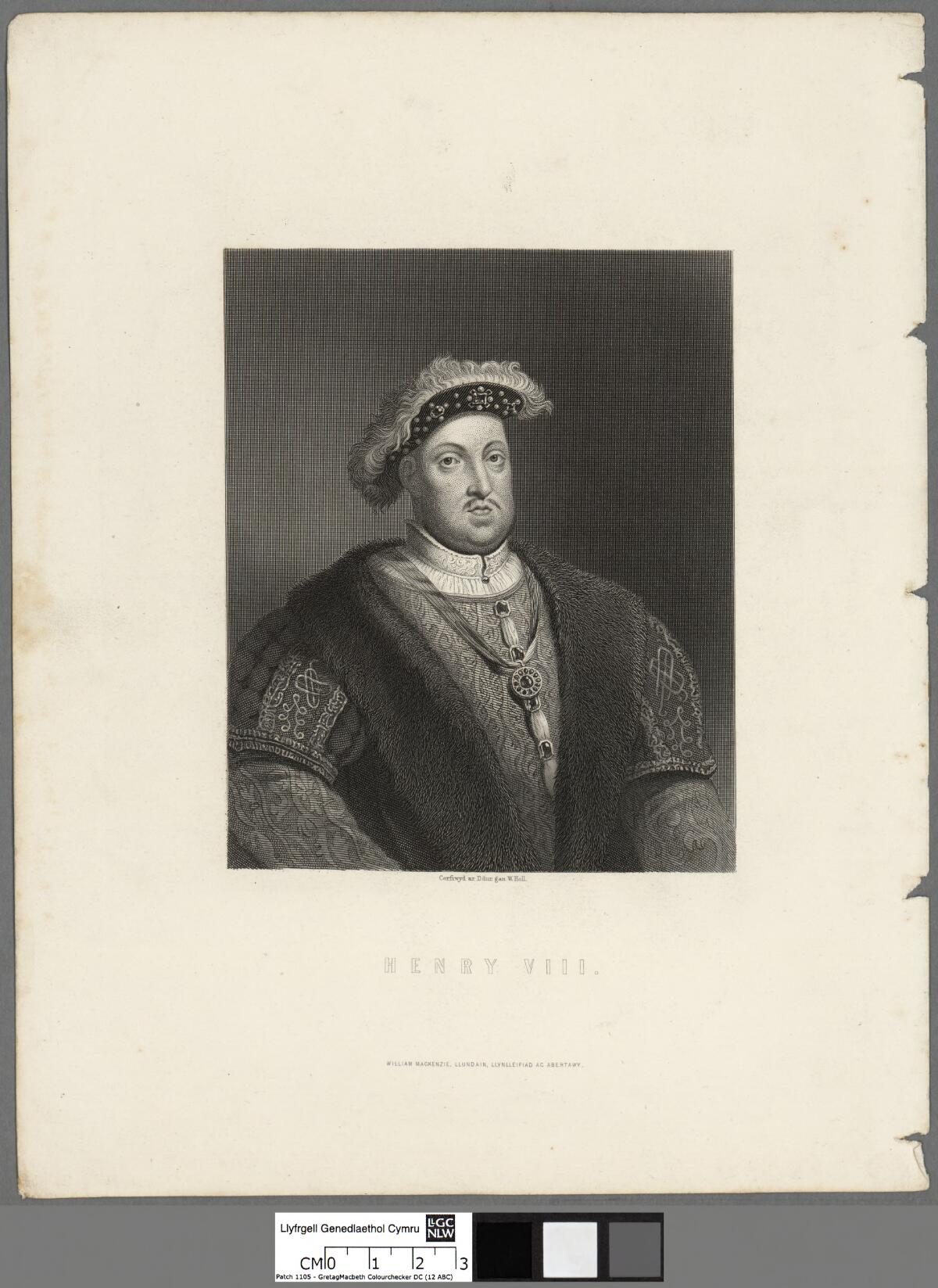
The court of Henry VIII was a vibrant tapestry of intrigue and extravagance, strewn with the gems of intellectual prowess and artistic endeavor. Before his name was etched in history as the monarch surrounded by a turbulent sea of six marriages, Henry VIII was a beacon of Renaissance culture. He was a poet, musician, and philosopher-king, whose heart once beat fervently for a woman named Anne Boleyn. Amongst the grand gestures of courtship that defined their whirlwind romance, Henry VIII composed love songs for Anne — pieces of personal sentiment that today provide a rare glimpse into the soul of a solitary king in love.
Henry VIII: The Renaissance Prince
Long before his reign became known for religious reform and the dissolution of monasteries, Henry VIII was a young prince immersed in the ideals of the Renaissance. Educated with a focus on the humanities, he excelled in music, theology, and languages. This scholarly endeavor extended to the composition of music. The king had a profound relationship with melody and poetry, writing with an adeptness that belied his later reputation for impulsiveness.
Music held an exalted place at Henry's court, frequently celebrated in the lavish masques and courtly entertainments that entertained the nobility. Henry himself played several instruments, including the lute, and composed rollicking dance tunes, stately masses, and indeed, love songs. It was into this sphere of opulent creativity and fervent young love that Anne Boleyn stepped, capturing the king's heart and igniting a passion that was as artistic as it was consuming.
A Courtship Written in Song
The Anne Boleyn who arrived at the English court in the early 1520s was a captivating figure — a lady-in-waiting with charm and grace, educated in the opulent courts of Burgundy and France. She was neither the first nor the last woman to catch Henry's ever-roving eye, but she was unique in igniting such a profound personal transformation that Henry's own pen was moved to record these feelings in music.
Among the songs Queen Anne inspired, one composition in particular survives to this day, housed within the historical archives of the British Library. Titled "The leaves be green," it reads as a poignant reflection of Henry's devotion and pursuit of Anne. The lyrics, charged with anticipation and longing, convey a man enthralled by love, willing to forsake anything and anyone for the Lady he adored.
This song serves as a key to the personal emotions shrouded behind royal duty and political maneuvering. Through this singular piece of music, we are given an opportunity to witness a vulnerable side of a man consumed by ardor — a stark contrast to the controlled and often ruthless monarch of historical record.
The Power of Poetry and Prose
For Henry and Anne, poetry became a language of soft whispers that wove through the noise of the court. Written texts and songs filled with ardor and wit passed between them, preserving a romance that began in secrecy. It was a medium that allowed Henry to express his personal desires and fears, capturing moments of vulnerability and hope within each verse.
Henry's most celebrated compositions did not hail from a professional court musician but from his own desk, penned in an ornate script that preserved his unabashed sincerity. His songs could hold both public allure and private confessions, shared selectively within the intimate circles of court musicians and favor turned confidants.
These musical offerings, their lyrics laced with sincerity and longing, were as much acts of love as they were instruments of persuasion. Henry was wooing not just Anne's affections but her acceptance of the monumental position he envisioned for her as his queen. With each note and poetic line, Henry painted a future distinct from the past, one where Anne's influence could redefine the very fabric of English monarchy.
The Shadow of Destiny
Yet, as history unfolded, the touching and genuine verses of love became overshadowed by the history books' relentless retelling of their tragic tale. The marriage brought significant upheaval — Anne’s eventual coronation as queen, the break from the Catholic Church, and the eventual rupture when Henry's fervor curdled into indifference and political desperation.
The world remembers Anne Boleyn as the queen who met a tragic end, yet in her songs and writings exchanged with Henry, exists part of her life unstained by the impending downfall. This solitary surviving song not only provides a window into a romantic chapter of court life but highlights the human compulsion — royal or otherwise — to capture and preserve those feelings of love, infatuation, and yearning in attempts that defy the swells of time and history.
Resonance Through Time
History bears witness to the unsurrendering power of love, a force capable of moving hearts to pen the most profound lyrics, and of kings to defy empires. The echoes of Henry VIII’s heartfelt compositions remind us of a different dimension to history’s seemingly immutable figures. Even a king must sometimes lean on the quill to connect his deepest thoughts to the page.
Through Henry’s amorous compositions for Anne Boleyn, we are stored with the knowledge that while the rules and realms they ruled have shifted and changed, the power of love to inspire creativity remains timeless. The melody of love, whether resonating in the grand halls of Tudor England or in today’s own spheres, transcends the details of its origins and continues to sing through the passage of ages.
📷 Photo: William Holl. Public domain via Wikimedia Commons.