The air was thick with sorrow and disbelief in Lockerbie, Scotland, on December 24, 1988. Three days earlier, a transatlantic flight had met with unfathomable tragedy, and the small town bore a burden beyond its size. Into this atmosphere of grief arrived Queen Elizabeth II, not just as a monarch but as a comforting presence. The visit was planned to last two hours, but the Queen had other ideas, marking the day as one of the most poignant acts of quiet empathy during her long and storied reign.
The Arrival: A Queen Among Her People
Queen Elizabeth II was known for her steadfast adherence to tradition and schedule, yet her visit to Lockerbie broke from every itinerary. As she arrived amidst palpable grief, her presence offered a solemn consolation. Wearing mourning black and her countenance gentle with understanding, the Queen symbolized not only official sympathy but also a personal one.
Her visit, originally scheduled as a quick stop to pay respects and demonstrate royal solidarity, turned into an extraordinary five-hour engagement. Her journey had brought her to Lockerbie as the embodiment of the United Kingdom’s shared mourning, and it was clear that she intended to truly be with the people on this darkest of days.
Sitting Among Strangers
As she walked the quiet, somber streets of Lockerbie, Queen Elizabeth II was greeted by simple gestures of kindness. She stepped into the community centers and churches that had become makeshift shelters for those impacted by the tragedy. Inside these walls, the Queen broke away from protocols typically associated with royal visits.
Eyewitnesses describe her sitting quietly beside grieving strangers, holding hands without speaking a word. This was no time for grand speeches or regal commands; it was a moment requiring human connection. In these silent exchanges, unspoken sympathies were shared, and the Queen’s mere presence offered a form of solace that words could not convey.
The Unscripted Hours
What transpired in those unscripted hours came to define a hallmark moment in Queen Elizabeth II’s reign. Beyond the realms of royal duties dictated by tradition, she revealed a depth of compassion that the public seldom glimpsed. The Queen, whose image was often shaped by formality, respectfully abandoned standard protocols to immerse herself in the collective grief.
Her willingness to stay far beyond the planned visit spoke volumes of the empathy and solidarity she felt. She was not just a distant sovereign, but a compassionate figure connecting with her people in their starkest time of need. It was an authentic side of the Queen that many cherished, seeing a monarch who truly cared for those she served.
The Royal Difference: Tradition and Humanity
The royal court is governed by traditions and ceremonial precision. Yet, in times of national sorrow, the human aspects of monarchy come prominently into play. Queen Elizabeth II’s visit to Lockerbie exemplified how the monarchy can rise to such occasions, blending symbol with sincere humanity.
Royal engagements are often meticulously planned events, choreographed to demonstrate stability and continuity. However, the Queen's presence in Lockerbie showed the flexibility and heart beneath those rigid structures. She exemplified the monarchy's ability to transform from a distant institution into a close companion during distressing times.
A Lasting Legacy of Empathy
In the decades that followed, the Lockerbie disaster remained a somber memory in the national consciousness, with Queen Elizabeth II’s compassionate actions serving as a poignant reminder of the monarchy’s role in human solidarity. Her tacit understanding of the situation, expressed through actions rather than words, left a lasting impression that extended well beyond that fateful December day.
As we reflect on Queen Elizabeth II’s legacy, her ability to relate to common humanity shapes the narrative of her enduring reign. Her time in Lockerbie is etched in history not just as a royal appearance, but as an embrace of her essential duties as both a Queen and a human being.
In an era often characterized by fast-paced developments and changes, her ability to stop, listen, and comfort remains a model of timeless leadership. The Day Queen Elizabeth II Quietly Held a Stranger's Hand at Lockerbie stands out as a testament to her deep understanding of the weight her presence carried. These were minutes stretched into hours that reminded us all of the quiet strength and compassion at the heart of the monarchy.
Today, as we continue to delve into the heritage of the British monarchy, such moments provide a bridge to the present — a reflection of resilience, dignity, and a shared journey through lifetimes of history and heart. In honoring both past and present, "Royal & Regal" salutes Queen Elizabeth II, whose empathetic legacy shines brightly through the annals of time.
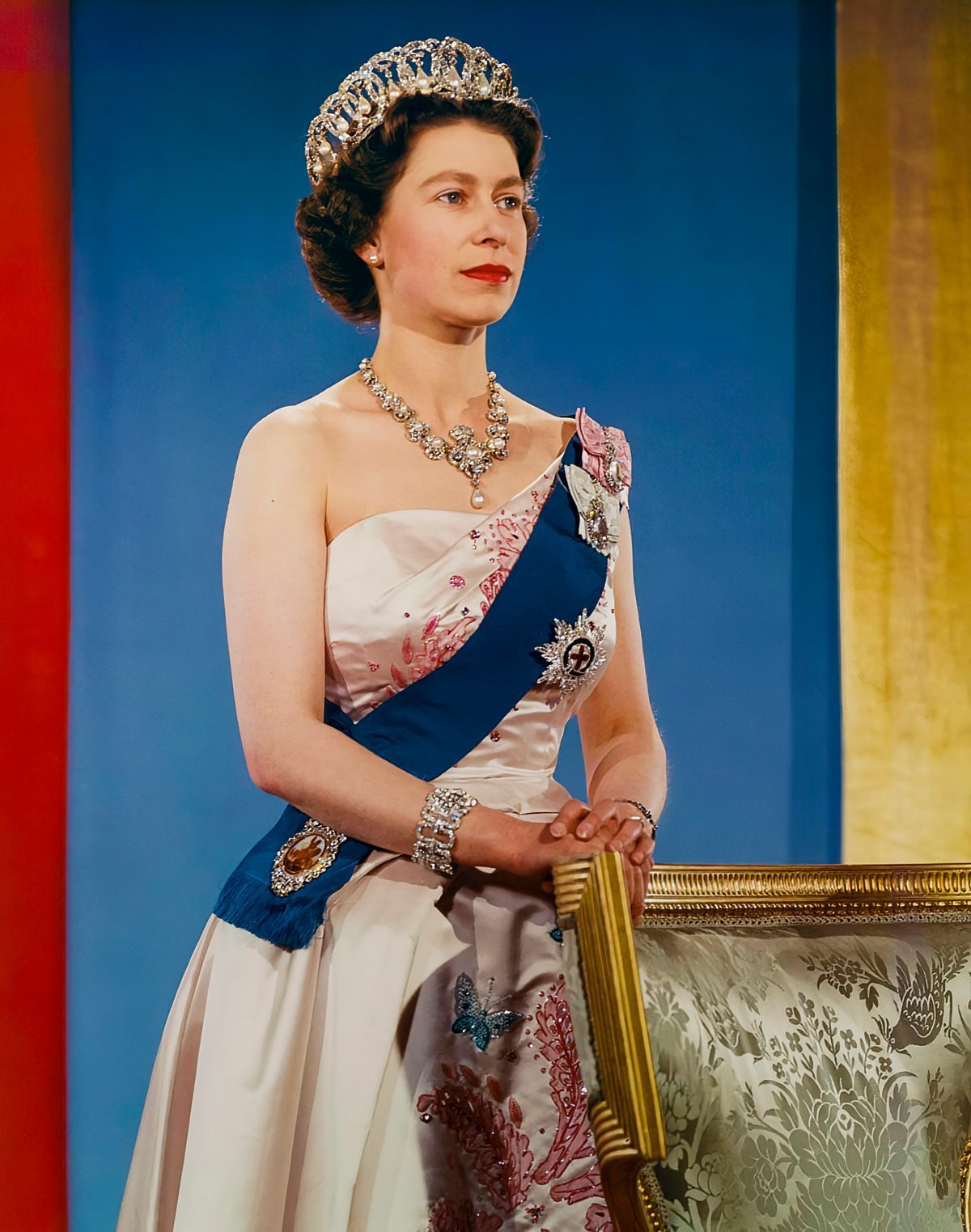
📷 Photo: Donald McKague. Public domain via Wikimedia Commons.