The Unexpected Broadcast
On the night of October 13, 1940, the airwaves across Britain crackled with a unique broadcast, one that would capture the hearts of a war-weary nation. A young voice, unmistakably regal yet tinged with the innocence of youth, resonated through radios—Princess Elizabeth was speaking to the children of Britain. Thousands of them, displaced from their homes due to the relentless bombings of the Blitz, found solace in the comforting words of their future Queen.
Yet, what transpired next was something that no one, not even the advisors at the BBC, quite anticipated. As Elizabeth wrapped up her message, her younger sister, Margaret, joined her at the microphone. Together, the princesses offered a moment of unexpected levity and warmth, singing nursery rhymes that turned a formal broadcast into a magical and unforgettable occurrence.
A Nation in Turmoil
The year 1940 was a harrowing time for Britain. The Blitz had wrought havoc across the cities, casting tens of thousands of children away from their families to safer rural areas. This mass evacuation aimed to preserve an entire generation, but it left many, both young and old, with a profound sense of fear and uncertainty. It was during these dark times that Buckingham Palace decided to extend a comforting hand.
Queen Elizabeth, the wife of King George VI and the Queen Mother in later years, had tirelessly worked to boost national morale. When her eldest daughter was approached to give a live broadcast message to the evacuated children, it was seen as an opportunity not just to comfort, but to unify. Elizabeth, only 14 years old, was apprehensive. Yet, under her mother's careful guidance, she embraced the responsibility with the grace fitting a future monarch.
The Princesses Take the Stage
Inside the opulent yet austere setting of Buckingham Palace's drawing room, the two young princesses prepared for a momentous occasion. This was not a stage for nursery rhymes or childlike antics—it was a serious message intended for serious times. Yet, the spontaneity of Margaret reminded everyone of the power of innocence.
As they approached the microphone, Elizabeth's nerves were palpable. Unlike the public appearances in grand parades or waving from royal balconies, this was an intimate moment projected into millions of homes. It was Margaret, just 10 years old, who eased the tension, her irrepressible enthusiasm shining through. Embracing her role naturally and enthusiastically, she brought a comforting, familial presence to the broadcast that resonated deeply with their audience.
"We know, each one of us, that in the end all will be well; for God will care for us and give us victory and peace," young Princess Elizabeth declared before moving to an impromptu interaction with her sister, a moment which became the highlight of the broadcast.
When Nursery Rhymes Became Balm for the Soul
As the formal speech concluded, the expected silence was broken by Margaret's spirited suggestion of sharing a song. This spontaneous idea was one that even the advisors could not foresee. And so, with Elizabeth's hesitant but acquiescing smile, the sisterly duet brought nursery rhymes to the ears of listeners who were ready for a touch of warmth and normality.
This impromptu moment humanized the monarchy and reinforced the idea that at their core, the royal family shared in the same worries and joys present in every British home. Their cherubic voices and the bond they exuded through song extended beyond political statements or royal protocols—it was a live demonstration of human connection.
A Message That Echoes Today
The impact of this broadcast went beyond the immediate balm it provided to those directly affected by wartime turmoil. It set a precedent for the role of monarchy in difficult times—being an anchor, offering hope, and fostering unity. It was the first of many broadcasts that Elizabeth would give, evolving into a queen who deftly used her voice to bring comfort and steadiness to her people.
That remarkable evening in 1940 remains a testament to how the monarchy has adapted unwaveringly through times of crisis. In today's world, the memory of young Princess Elizabeth and Margaret's song emerges as an enduring reminder of hope. As Britain faces modern challenges, the legacy of empathy and connection from that historic broadcast continues to inspire.
Elizabeth's broadcast, and the charming, unplanned moment with Margaret, remind us that in times of darkness, the simplest forms of connection can light the way. It is a legacy that parallels the ongoing commitment of the royal family to reach out, comfort, and ultimately bring together the Commonwealth and its people. Indeed, even as the years pass, the echoes of that song and all it stood for remain timeless, resonating with the very best of the British spirit.
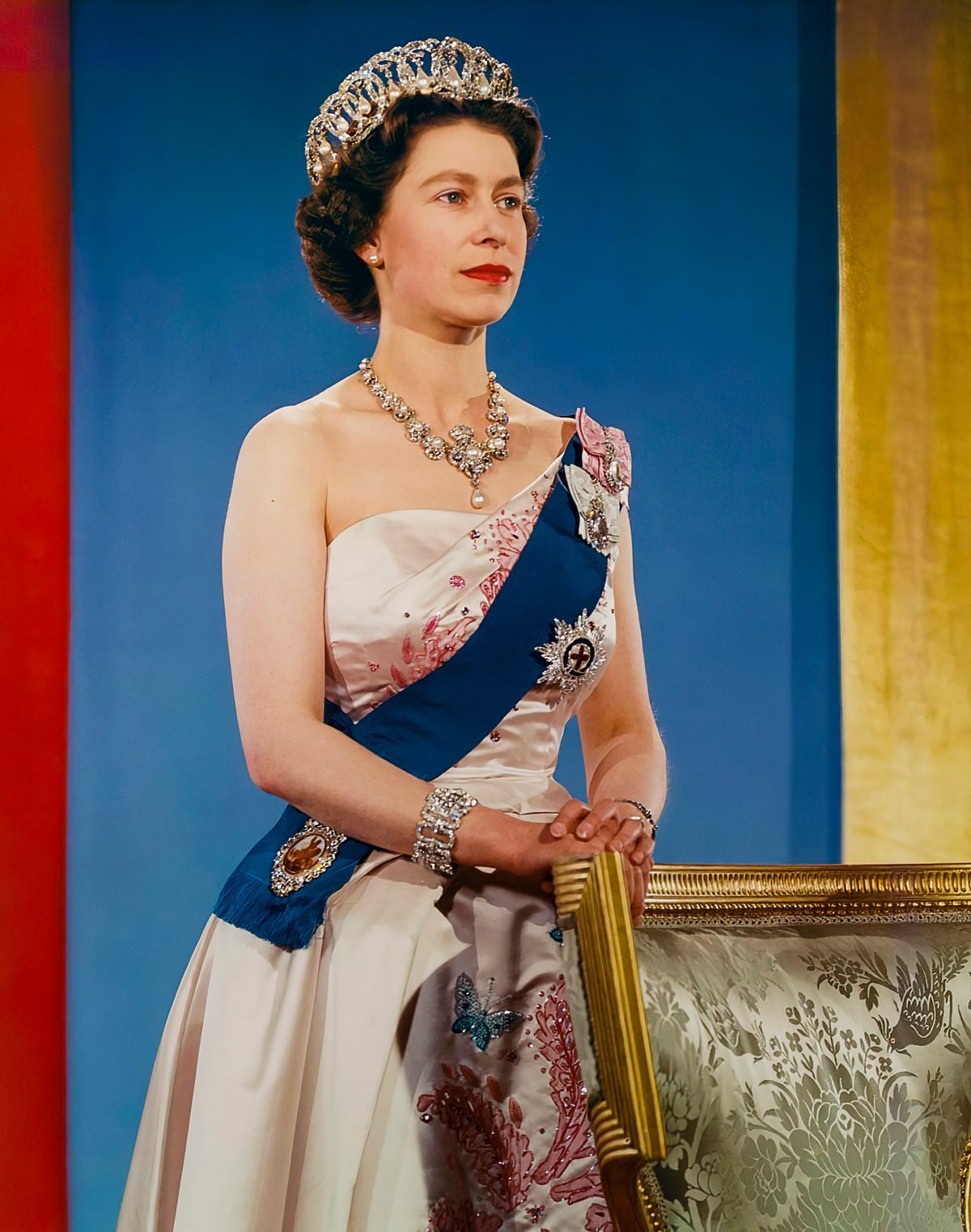
📷 Photo: Donald McKague. Public domain via Wikimedia Commons.