Introducing a New Era: Queen Elizabeth II's Historic Visit to Japan
In the spring of 1971, Queen Elizabeth II embarked on an unprecedented royal tour, one that would take her to the heart of the Far East and cross a threshold no British monarch before her had ever dared to step over. As she touched down in Tokyo, the empress of charm and diplomacy wore a garment as telling as the visit itself—a white gown that encapsulated both past healing and future potential. In a moment loaded with the weight of history, her sartorial choice conveyed a message both eloquent and evocative, a gesture so profound that it left Japan's press awash with emotion. Here was a queen who understood the language of clothing, wielding it as a tool of diplomatic grace.
The Setting and the Stakes
The year 1971 marked a new chapter in British-Japanese relations, one tinged with the ashen memories of World War II. Less than three decades prior, the two nations had found themselves entangled in a bitter conflict. As the dust of warfare settled into the passage of time, a still-living memory for many, the modernization of Japan and its burgeoning international relationships brought a call for reconciliation. The Queen's visit was not merely a diplomatic formality; it was an emblematic moment of healing, a signal that bygones must finally become bygones for both proud nations.
When Queen Elizabeth II arrived in Japan, she was conducted through a nation still coming into the fold of Western unity. The imperial allure of the occasion was not lost on the eyes of both British and Japanese alike. The Emperor Showa, known in the West as Hirohito, was preparing to welcome the British monarch on a gravel path laden with symbolic meaning. For Japan, it was a path toward acceptance as a partner in the world on new terms. For Britain, it was a journey of building bridges anew—a visit fraught with diplomatic potential and delicate matters of state.
More Than Just a Dress: The Meaning Behind White
On the day of her arrival, Queen Elizabeth II stepped out of the aircraft in a white gown, her presence instantly captivating as the cameras clicked and the flashbulbs burst. To the untrained eye, white might have seemed an obvious choice, a color that conveyed peace and purity. However, in Japan, white is traditionally associated with mourning and funerals. This was not an accident—far from it. Her choice was a subtle nod to the shared, somber history between the nations, an acknowledgment of the grievances and the sacrifices of the past. It was an unspoken apology and a testament to the mutual respect she aspired to foster between the British and Japanese peoples.
The gesture was warmly received and interpreted as the sincere expression it was meant to be. Many in Japan were moved by the Queen's sartorial diplomacy, noting the profound respect encapsulated in that simple choice of color. The symbolism of the queen's dress did not go unnoticed and made a significant impact on the cultural consciousness of both Britain and Japan.
A Queen of Poise and Diplomacy
Queen Elizabeth II's visit to Japan was meticulously planned and executed, yet the human element she brought to the role of monarch was anything but rote. Known for her ability to gracefully navigate the intricate web of politics and personality, she brought warmth and a genuine sense of compassion to every meeting. This journey, like many before and after it, showed the Queen’s unique ability to transcend the ceremonial trappings of her position, reaching out with genuine warmth and human connection.
During her stay, Queen Elizabeth II attended several elegant state functions and ceremonial events, always maintaining her distinctive poise. Her conversations with Emperor Hirohito were reported to brim with the cordial respect that the pomp and grandeur of such events could not overshadow. Both leaders, cast from a different era, found common ground in their mutual commitment to improve future ties, a theme underscored by the Queen’s choice of attire.
Enduring Impact: The Legacy of a Dress
The legacy of Queen Elizabeth II's visit to Japan in 1971 endures, living on through strengthened diplomatic relationships and shared cultural understandings. Her choice of a white gown has been chronicled in numerous essays and retrospectives, one more example of the Queen's gift for finding harmony in the details. It reflects a durable theme throughout her long reign—the importance of unity and the oft-underestimated power of a nuanced gesture.
As we look back upon such significant milestones, it becomes abundantly clear how symbols can speak louder than words. In the grand tapestry of the Queen’s ongoing commitment to nurturing international relationships, her historic visit to Japan signifies more than a moment—it represents a timeless chapter of harmonizing past tensions and championing a shared future. Her unique ability to balance majesty with humanity serves as an everlasting testament to her reign.
For those who admire the meticulous grace of the British monarchy, Queen Elizabeth's visit to Japan is more than just a historical anecdote—it's a study in the enduring power of kindness and understanding as vessels for peace. Her life’s subtleties continue to resonate today, urging us to choose our own gestures of unspoken eloquence in the world’s complex dialogue.
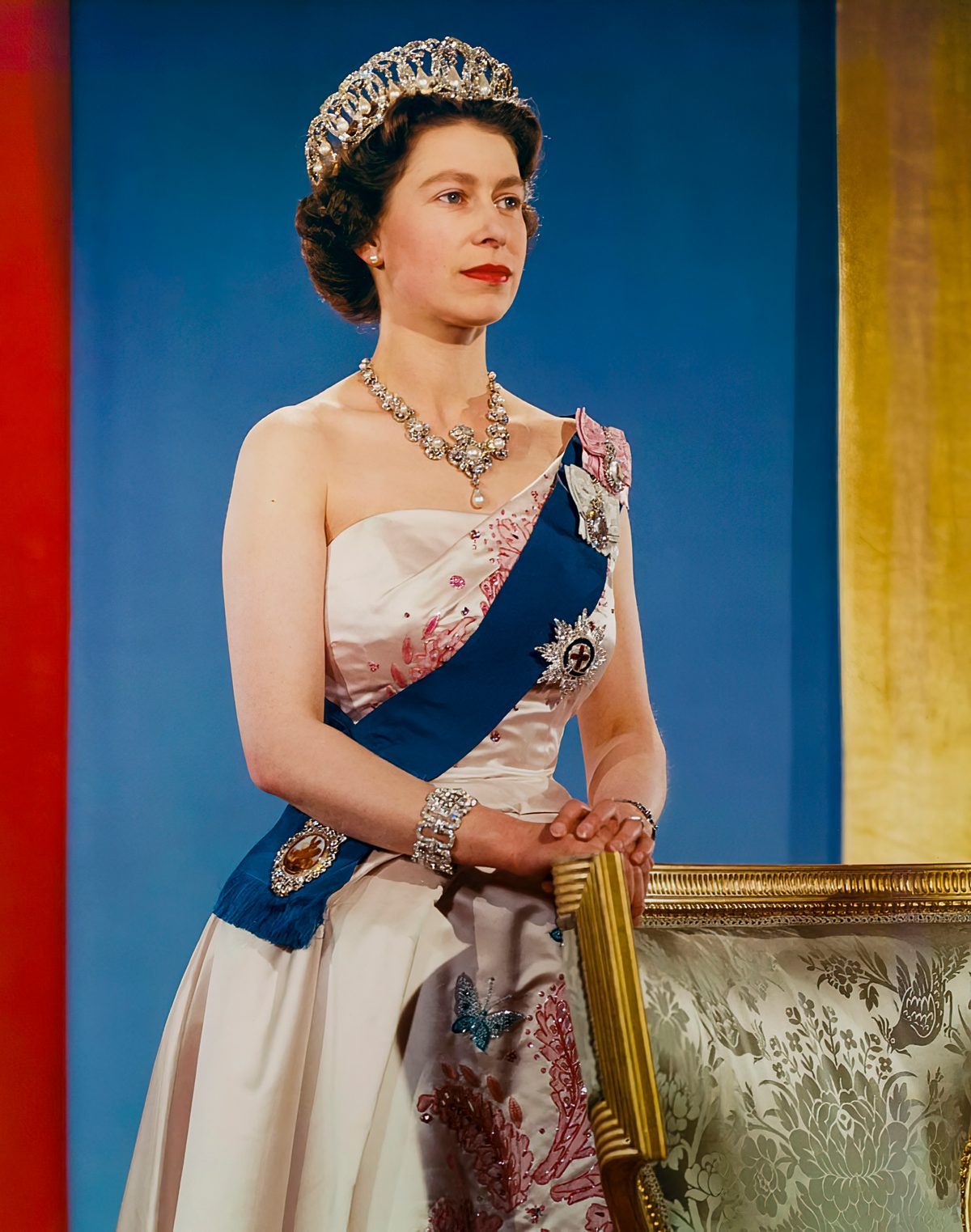
📷 Photo: Donald McKague. Public domain via Wikimedia Commons.