The moment Edward VII breathed his last, Mary knew everything had changed. She was no longer a princess consort waiting in the wings. She was Queen of the British Empire. What she did in those first seventy-two hours revealed the extraordinary steel beneath the stillness.
The Dawn of a New Reign
On May 6, 1910, England witnessed the end of an era as King Edward VII passed away. His larger-than-life personality had dominated the social and political landscape of the nation and beyond. However, with his demise, the royal spotlight shifted to the still, poised figure of his daughter-in-law, Mary of Teck, now Queen Mary. As the grand transition took place, Mary chose to wear the same mourning gown for three consecutive days. Her decision was more than a manifestation of her sorrow; it was a deliberate act that signified her quiet resolve and readiness to embrace her new role as the Queen.
Known for her composed demeanor and acute sense of duty, Mary had prepared herself for this moment since marrying George, the Duke of York, in 1893. Their partnership had blossomed during the tenure of the late king, setting the stage for a future that had now become her reality. The British monarchy, with all its ceremonial grandeur and ancient traditions, was now under her watchful eye, and Mary's first days in this position offered a curious glimpse into her fortitude and intentions as the matriarch of the most powerful empire on Earth.
The Dress That Spoke a Thousand Words
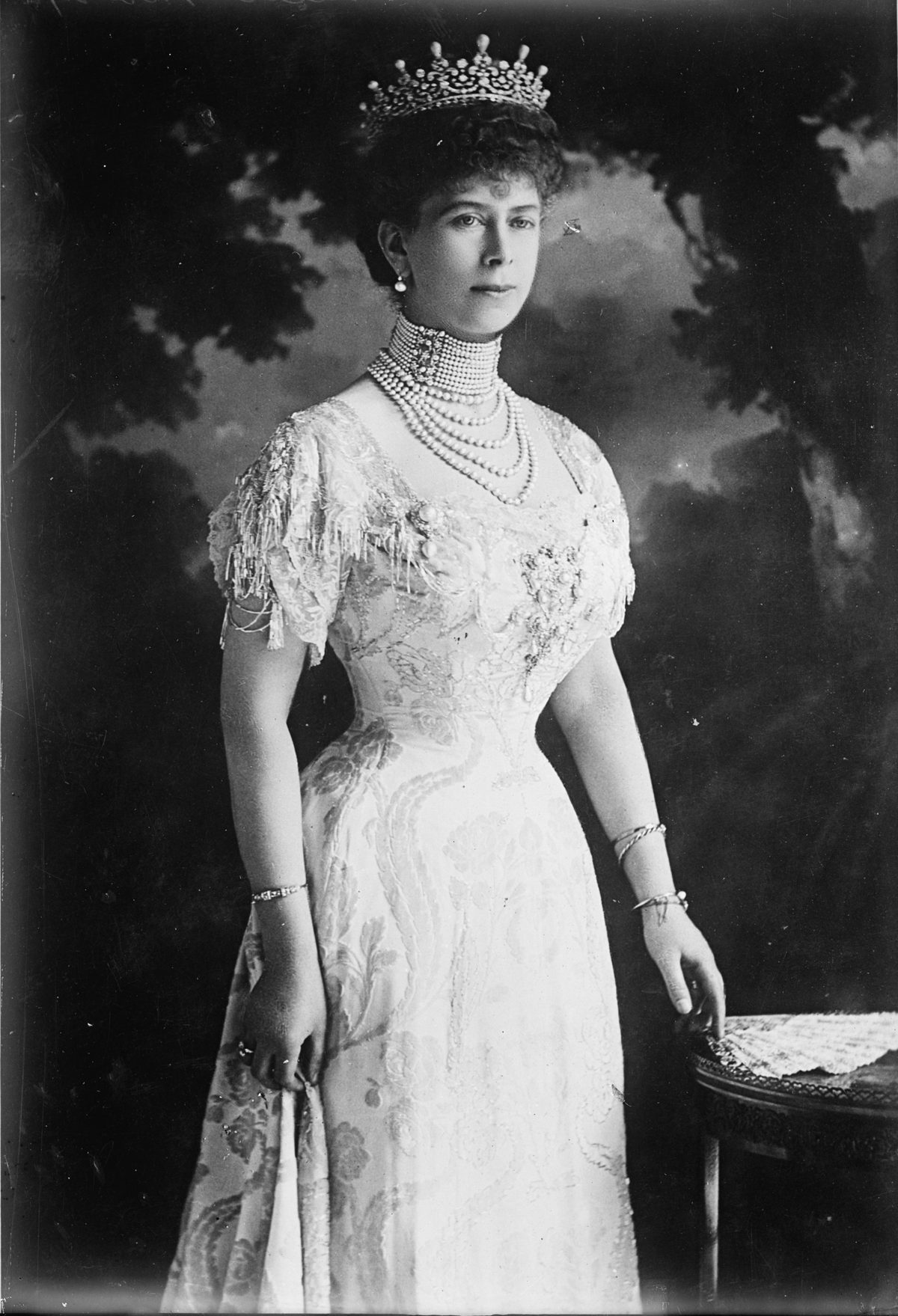
Queen Mary's decision to maintain her mourning attire for seventy-two hours was far from mere fashion negligence. The black gown she adorned was a symbol of both her personal heartbreak at the loss of a father figure and her unwavering commitment to her regal duties. In a time where the aristocracy was under the lens of scrutiny and transition, every gesture was weighted with symbolic content. The severity of her attire mirrored the gravitas of her new responsibilities.
Queen Mary, renowned for her elegance and sartorial choices, made no deviation from the rules and ceremonies of mourning that the British monarchy adhered to. Her dress, though somber, bore the hallmarks of her characteristic style — detailed yet understated, much like her personality. To those who understood, it was a message that beneath the heavy fabric lay a woman resolute in her purpose.
Drawing inspiration from Queen Victoria's mourning wardrobe, Mary illustrated her respect not only for the institution she belonged to but for the individuals who had preceded her. Every choice she made, including wearing the same dress for those three days, embodied continuity and reverence for time-honored traditions.
Unseen Preparations Behind Closed Doors
Behind the solemn public display, Queen Mary was quietly, yet diligently, preparing herself for the challenges of her new role. As courtiers bustled within the confines of Buckingham Palace, arranging for the late king's funeral and the succession of power, Mary engaged in meticulous meetings and briefings. She acquainted herself with every detail of governance, a continuation of her lifelong study of the constitution and protocols.
The Queen's Study at the palace became her sanctuary, a space where she could learn without distraction. Here, she met with trusted advisors, including the Prime Minister and courtiers, discussing state matters that now required her approval. Her time-worn mourning gown became an emblem of her transition from a concerned observer to a key decision-maker.
The quiet strength displayed by Mary during those crucial days set a precedent for her reign. Her adeptness in navigating these initial trials and decisive acts earned her the respect and admiration of her subjects, as well as of seasoned statesmen.
A Lasting Influence on Royal Fashion
Although her attire was initially borne out of mourning requirements, Queen Mary's choice crystallized as a fashion statement that would influence royal sartorial choices for decades. Her commitment to understated elegance presented an anchor of stability during fluctuating times, and her conscious nod towards royal customs and etiquette instilled an image that lastingly wove itself into the fabric of the Windsor lineage.
Queen Mary was renowned for her collection of exquisite jewels and intricate gowns that showcased the finest craftsmanship. However, her somber wardrobe immediately after King Edward's demise signaled that fashion was more than a matter of spectacle. Instead, each piece in her wardrobe, even those subdued in mourning, carried thoughtful symbolism and a potent narrative.
Her influence reached across borders as other European royals noted her inherent ability to communicate status, emotion, and duty through clothing. The regal image she modeled continued to inspire future generations, including the timeless elegance seen in her granddaughter, Queen Elizabeth II, and beyond.
Reflecting on the Past, Embracing the Future
The steadfast resilience and quiet dignity exhibited by Queen Mary in the wake of King Edward VII's death remain emblematic of the monarchy's enduring spirit. As she donned that same mourning dress in the first days of her reign, Mary demonstrated an indelible commitment to her role as a steward of tradition and a harbinger of thoughtful change.
In today's rapidly evolving world, one might draw inspiration from Queen Mary's deliberate choice to lead with an understated formality that speaks to a timeless elegance and unerring dedication. Her influence endures in the way modern royals balance their public duties with intimate personal reflection, staying rooted in the past while gracefully embracing the future.
As we reflect on Queen Mary's remarkable transition from princess consort to Queen of the British Empire, we are reminded of the depth of character and fortitude that underpin the fabric of the monarchy. Her ability to blend steadfast adherence to tradition with silent innovation illustrates a legacy that continues to resonate through the corridors of Buckingham Palace and in the hearts of those who cherish the legacy of the crown.
📷 Photo: Harris & Ewing, photographer. Public domain via Wikimedia Commons.