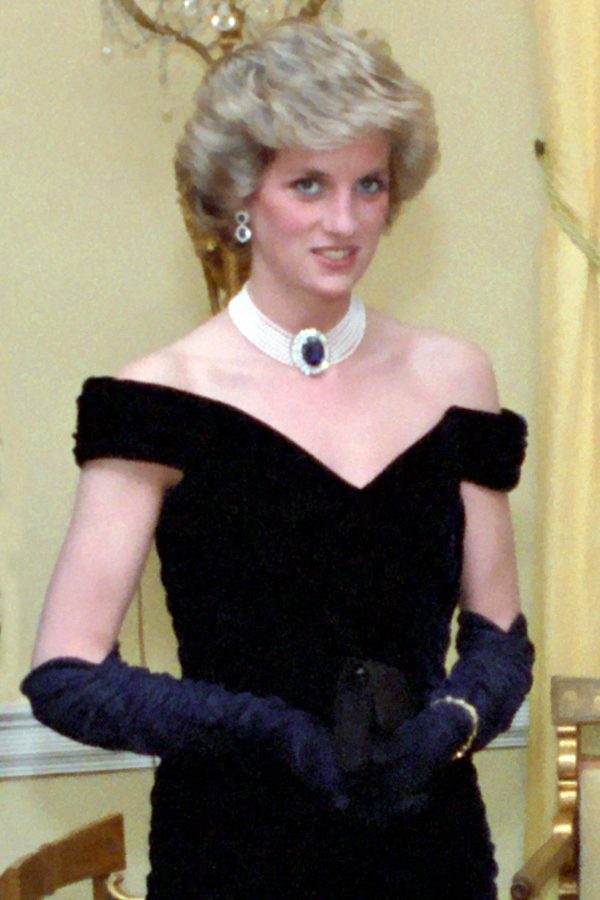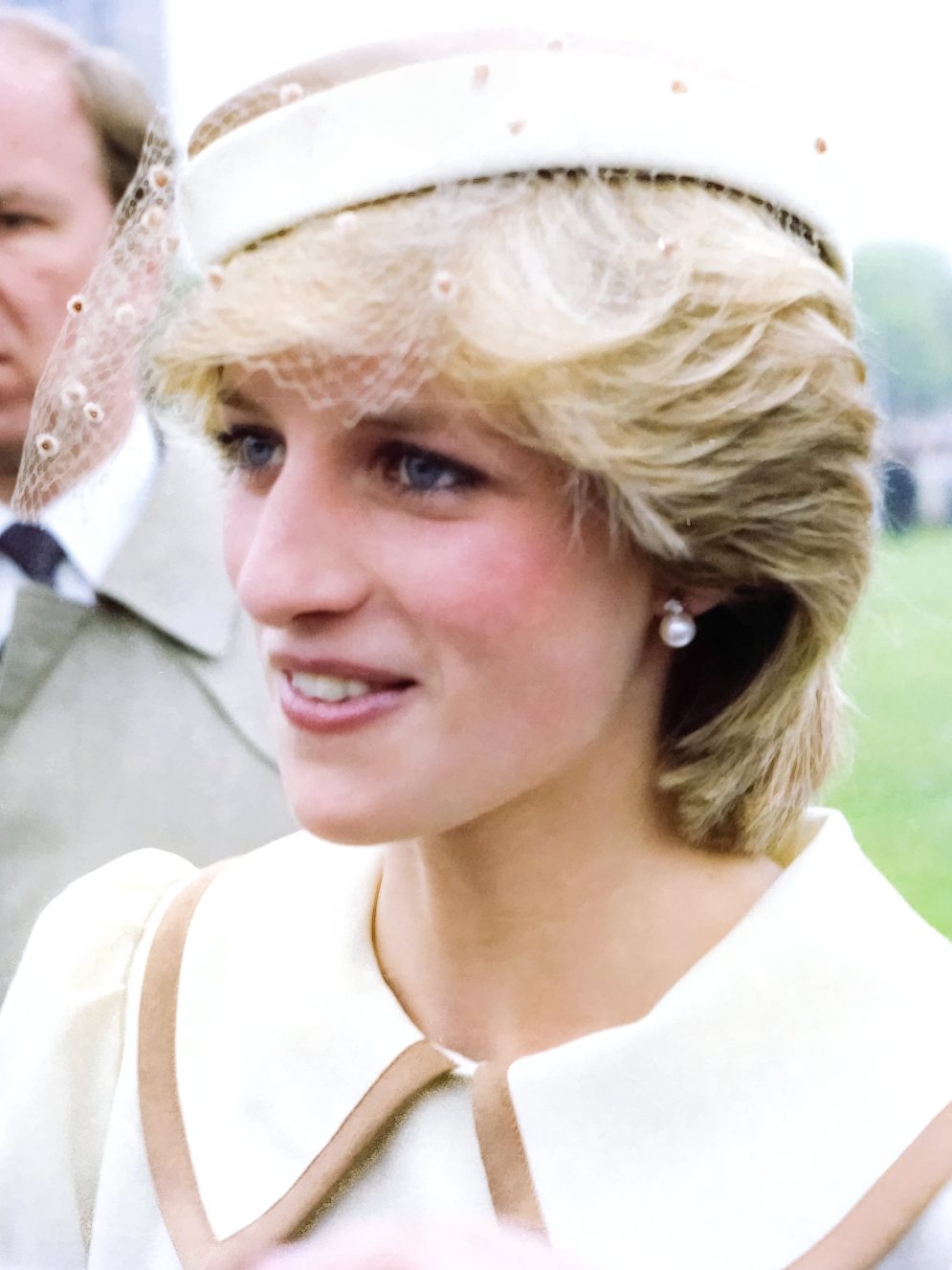
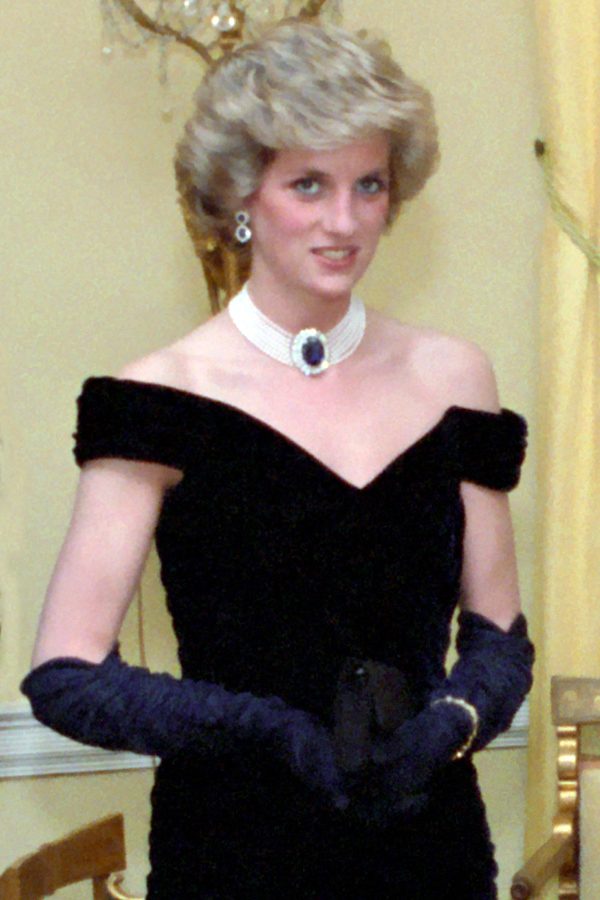
By 1989, Princess Diana had quietly mastered something no protocol could teach. She had learned to let her clothes speak when she could not. The ivory Catherine Walker column gown she chose for the Birthright charity gala that November said everything. It was not a coincidence. It never was. Ever the strategist, Diana understood that fashion was her silent ally, a language that, when wielded wisely, could convey strength, intention, and poise beyond what spoken words might express. For Diana, that particular evening was an opportunity to outlast silence and signify resilience amidst her turbulent personal life.
The Power of Symbolism
Born into the aristocratic Spencer family, Diana was no stranger to the subtle yet potent power of symbolism and gesture. As a royal, she grasped the significance of visual statements early in her public life. Her understanding of fashion's potential as a medium for personal expression matured alongside her journey as a member of the British royal family. By 1989, her style had become a subject of public fascination and media scrutiny, with every ensemble subject to analysis.
The ivory gown she wore that autumn evening was an embodiment of understated elegance. Designed by her favorite couturier, Catherine Walker, the dress was a striking column of satin that flowed with an alluring simplicity. Ivory, traditionally associated with weddings, was a color of purity and new beginnings. Diana's choice to don it so boldly was a statement; she was redefining her narrative in the public eye. She wore ivory not to conform to its bridal connotations but to declare her individal power and autonomy.
A Night to Remember
The prestigious Birthright charity gala was held to support women facing pregnancy-related challenges, a cause close to Diana's heart. As she stepped into the room, silence fell, a collective acknowledgment of her innate ability to command attention. The irony of wearing white—as a symbol of new beginnings—was not lost on the spectators. Although the whispers of her personal struggles had already surfaced, Diana's dignity remained unshaken.
Amidst the glitz and glamour of the event, Diana shone. She was radiant, yet resolute. Her dress spoke volumes, suggesting a silent rebellion against the constraints of her public role and the personal challenges she navigated behind closed palace doors. It proclaimed resilience, a self-assertion that she was much more than the photogenic princess the world saw.
The Evolution of Diana's Style
Diana's evolution from a shy kindergarten teacher to a global style icon mirrored the challenges and triumphs in her life. Initially bound by the strict royal dress codes, Diana gradually found her voice through her fashion choices. Her early style was whimsical and romantic—a reflection of her youth—transitioning into sharper silhouettes and bold statements as she embraced her public persona.
Her collaboration with designers like Catherine Walker allowed her to explore and experiment while remaining within the sartorial expectations of the royal family. Walker, understanding Diana intimately, often crafted gowns that symbolized power, grace, and liberation in one elegant sweep of fabric. The ivory gown was a culmination of this partnership—a creation that was timeless yet groundbreaking.
Diana's Legacy Today
Princess Diana's relationship with fashion left an indelible mark on the British monarchy. She redefined what it meant to be a royal woman, courageously combining public duties with personal expressions of independence. Her gown at the Birthright gala continues to serve as a case study in the transformative potential of fashion in public life. The choice of ivory not only mesmerized those present but also inspired future generations to view fashion as an empowering tool.
Today, more than two decades after her untimely passing, Diana's legacy endures. Her compassion, humanitarian work, and pioneering sense of style continue to resonate with newer generations, including Prince William and Prince Harry's respective families. The continued public affection for Diana stands as a testament to her influential role in modernizing the royal family and opening doors for future royal women to authentically be themselves.
As the world of fashion ever evolves, Diana remains an emblem of how deeply personal choices can intersect with public duties to create a narrative of enduring impact. Her decision to wear ivory that November evening was more than a fashion statement; it was a powerful, unspoken declaration of self-respect and self-worth—a legacy that resonates still.
📷 Photo: White House photographer. Public domain via Wikimedia Commons.