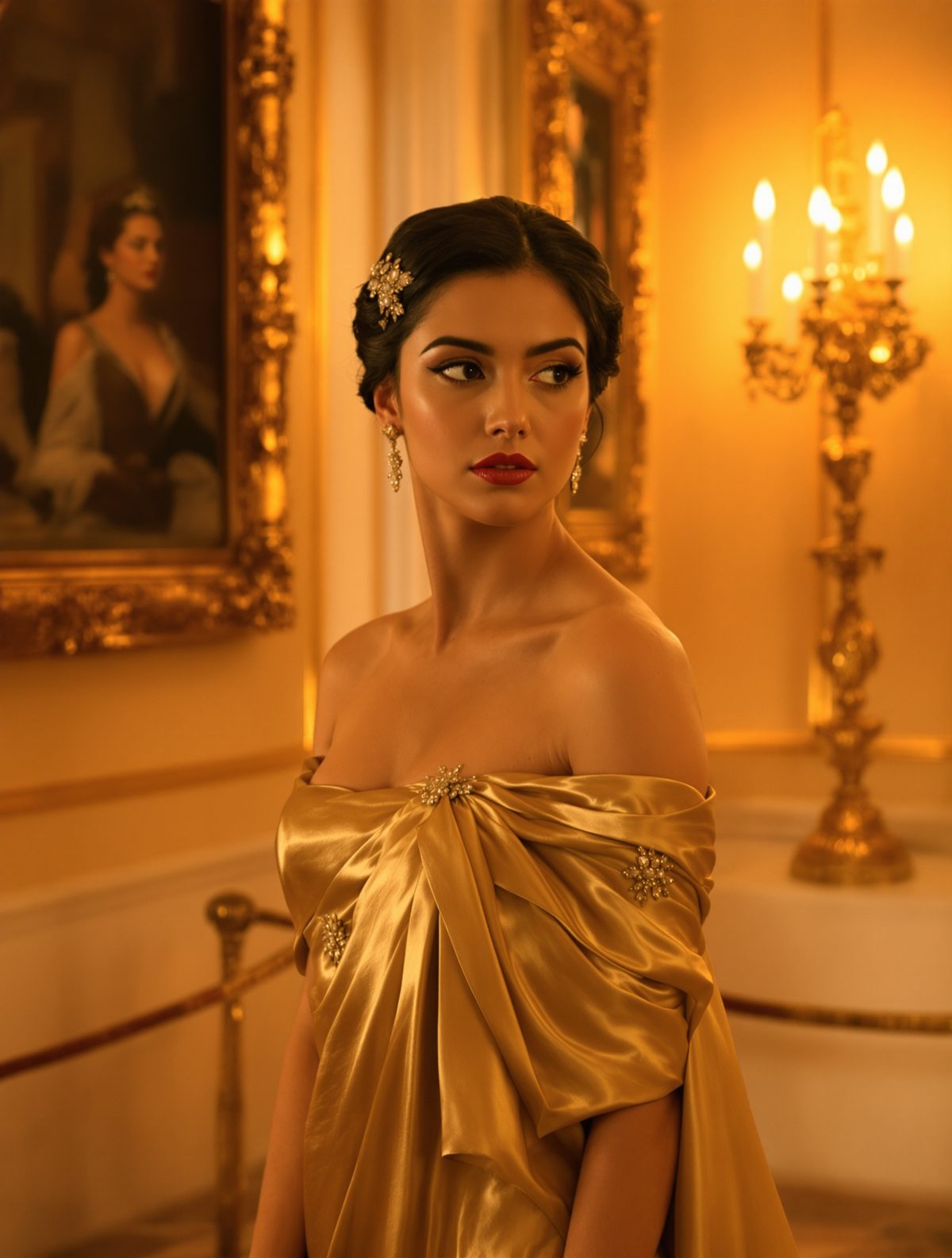
As the evening light filtered through London’s National Portrait Gallery, the 2012 Portrait Gala buzzed with the anticipatory air of glamour and grace. This gathering was one where art met aristocracy, and the luminous blending of history with modern pageantry was no mere coincidence. Among the elegantly clad attendees, the Duchess of Cambridge, Catherine, shone brightest, seeming to summon the spirits of royals past with a choice of attire that was both stunning and steeped in historical resonance. Her choice, a deep burnished gold gown by Jenny Packham, took on a life of its own as it mirrored the regality of Queen Mary’s portrait, a piece that had hung proudly on the gallery’s walls for over a century. The hues, nearly identical, formed a poignant bridge across time, their story quietly echoing through the corridors of the gallery.
A Quiet Tribute Hidden in Plain Sight
The scene, captured in photographs splashed across magazines, evoked admiration for Catherine’s elegant style. However, few realized the deeply layered tribute ensconced within her gown’s fabric. Queen Mary, a matriarch whose influence looms large over the annals of British royalty, wore a gown of strikingly similar hue in her 1911 portrait. That painting, rife with its own story of opulence and duty, served as a regal backdrop to Catherine's tranquil presence at the gala.
The similarities between the gowns—both rich in their golden luster—were not immediately apparent. Yet, for those with a keen eye for historical court fashion, the association between the two was unmistakable. Whether this choice was a deeply considered homage or a serendipitous alignment of taste and occasion remains an enchanting mystery, one that speaks volumes about the deep currents of history running through the veins of the royal family.
The Enduring Influence of Queen Mary
Queen Mary, consort to King George V, was a formidable figure within the British monarchy, noted for her refined taste and dedication to duty. Her marriage marked a new era for the royal family, blending tradition with the burgeoning modernity of the 20th century. Her portrait in its deep golden attire symbolizes not only her personal elegance but also the glorious continuity of the monarchy itself.
Her fashion choices often reflected the grandeur and gravitas expected of royalty, marrying the opulence of Edwardian style with her own understated dignity. The golden gown depicted in the 1911 portrait encapsulates that blend, and remains a benchmark of royal sartorial elegance. This historic gown, imbued with the knowledge and fashion ethics of the custodian of monarchy, whispers of a solemn duty to embody the cultural and historical values of an entire nation.
Catherine: A Modern Duchess with an Old Soul
Then, a century later, came Catherine – a modern woman, yet one who has often astounded with her deft balancing of contemporary style and historical homage. Her Jenny Packham gown at the 2012 Gala was an embodiment of the same, channeling the archetypal grace of past queens while remaining distinctly her own. Known for championing British designers and seamlessly blending chic and regal undertones in her wardrobe, Catherine's choice of gown—whether coincidental or deliberate—exemplified a connection to the monarchy's storied past.
Through her fashion, Catherine continues the narrative of royalty striving to remain relevant amidst the ever-changing tides of modern culture. Unlike Queen Mary, who defined courtly fashion through periods of global upheaval, Catherine navigates a digital world where every fashion choice is scrutinized and celebritized. Her nods to history, such as this golden gown, offer comforting reminders of the royal family’s continuity and timeless presence.
The Symbiotic Dance of Fashion and Legacy
The gowns of royalty are more than mere garments; they are symbols steeped in tradition, expectation, and the desire to project strength, dignity, and heritage. Catherine's golden ensemble thus served as both a personal statement and a historical reminder. Fashion in the royal context remains a potent storytelling tool, and this instance beautifully illustrates the symbiosis between regal narrative and individual expression.
When Catherine stood before Queen Mary's portrait, she was not just a duchess attending a gala, but a living chapter added to the annals of royal history. Her gown was a stunning visual echo of the past, tying layers of family history and national legacy into the fabric of a single evening. The color gold, long associated with wealth, power, and divinity, shimmered not only on her gown but through the legacy it momentarily resurrected.
Reflections on Royal Matters
In a world that often questions the relevance of monarchy, events such as these underscore the enduring allure of royalty—the way it threads individual personalities with broader historical narratives. The golden gown worn by Catherine in 2012 served as a graceful nod to an ancestry she could only know through stories and portraits. Without an uttered word, her appearance at the gala spoke to the timeless nature of the monarchy, capturing the hearts and imaginations of those who continue to watch the Windsors with rapt fascination.
As the gallery lights dimmed and the guests dispersed into the London night, one truth shone clear. The echoes of past queens presented more than heritage; they were woven into the very essence of modern royalty, connecting a queen born before the age of aviation to a duchess living in the era of space exploration. The grandeur of golden threads sewn through time illustrates the monarchy’s enduring ability to inspire and captivate across generations.