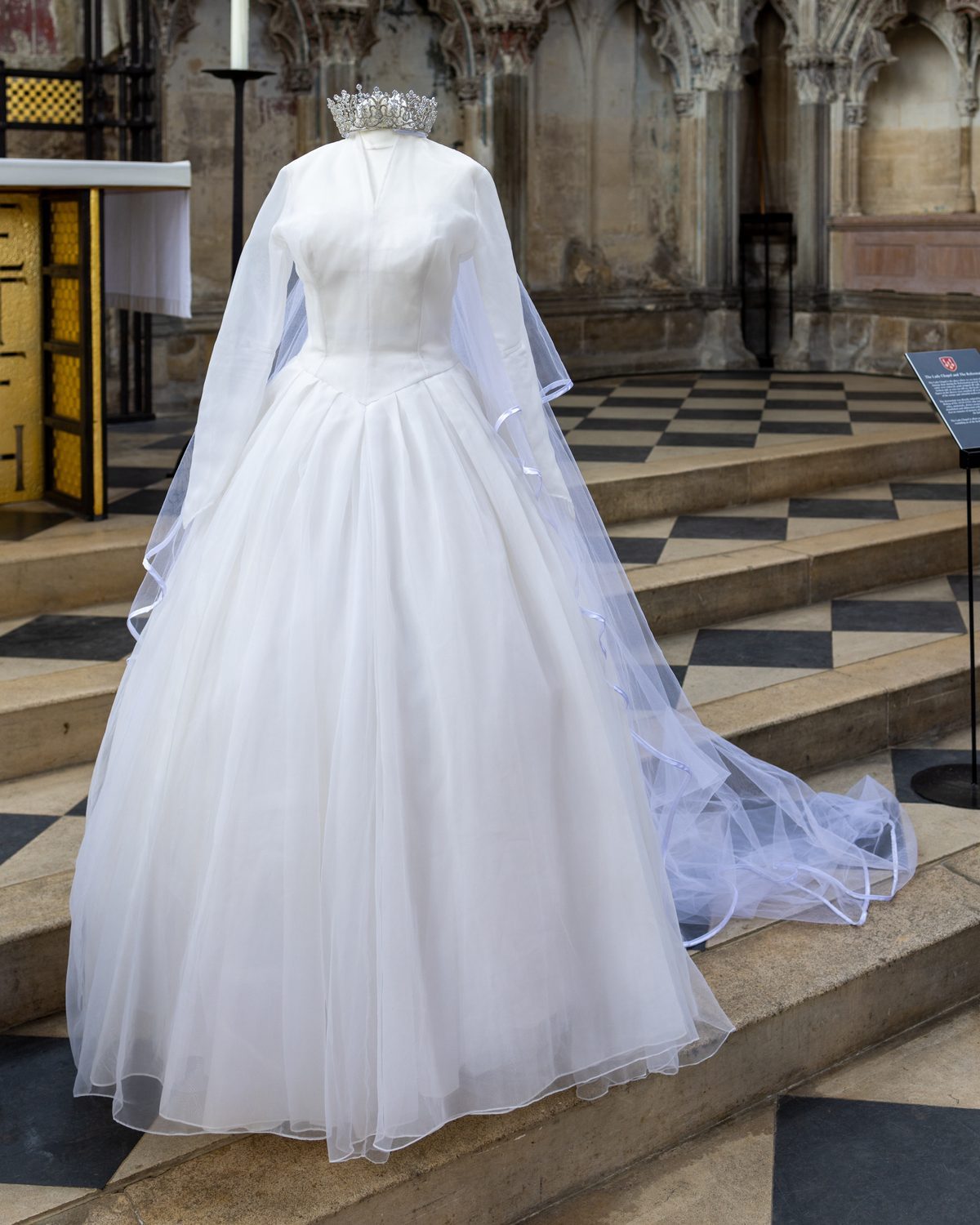
In the spring of 1949, as Europe began to shake off the shadows of war, a glimmer of glamour arrived in the Eternal City. Like a burst of light, Princess Margaret, just nineteen and brimming with a fresh radiance, captivated Rome, leaving an indelible mark on its storied streets. Her appearance at a dazzling state reception was more than a royal engagement; it was a moment when young Margaret effortlessly turned into a fashion icon under the city's watchful gaze. In that one evening, the usual subjects of Roman adoration—its film stars, its aristocracy—faded into the background, all eyes irresistibly drawn to the British princess in her elegant ivory Dior gown.
The Enchanting Backdrop of 1949
The year 1949 was a time of cautious optimism and subtle transformations. The shadows of World War II receded, and Europe began to rebuild and redefine itself. In the midst of this transition, the British Royal Family embarked on a diplomatic tour to Italy, aiming to tighten bonds and share goodwill. Amidst the grand political gestures, a young princess—Margaret—stood poised to make an unexpected yet profound impact simply by being herself.
Princess Margaret's presence signified more than just regal charm; it was a sign of the monarchy’s commitment to move with the times. Known for her flair and a spirited personality, she captivated many with her vibrant energy. Yet, it was her appearance on an April evening in a gown of ivory silk that catapulted her into the realm of a style icon, and Rome was ready to embrace her magic.
A Gown to Remember
The gown—an exquisite creation by none other than the French couturier Christian Dior—seemed to capture the very essence of royalty and youth. Strapless and masterfully tailored, it whispered elegance and grace with every step she took down the famous Via Veneto. Dior, the magician of silhouettes, designed the dress to accentuate Princess Margaret's natural grace. The ivory silk complemented her fair complexion, making her seemingly glow in the twilight of the Roman reception.
This wasn't just any dress. During the war years, fabric rationing had put a damper on fashion. Post-war Europe was yearning for luxury and renewal, and Dior offered just that. His creations were a symbol of hope and rejuvenation, capturing the imagination of women everywhere. For Princess Margaret to don such an iconic label in 1949 was a signal—fashion was about to flourish once again, and she was at the helm of this transformation.
Setting the Stage: The Royal Court and Its Influence
It wasn't merely the allure of the dress that captivated the crowds; it was the compelling mix of tradition and modernity that Princess Margaret embodied. Growing up in the shadow of her elder sister, Queen Elizabeth II, Margaret was continually seeking ways to express her individuality. At this time, the British monarchy was admired for its dignity and adherence to tradition, yet Margaret's rebellious streak offered a glimpse of a more relaxed and vivacious side of royalty.
Within the established royal court, opulent state dinners and receptions were a common affair. Princess Margaret, however, brought a contemporary verve to these age-old customs. Her choice of the Dior gown was not just a fashion statement—rather, it was a myriad of expressions: a subtle nod to international friendships, a resonance of post-war resilience, and an initiation of a new era in royal fashion.
Captivating a City
On that fabled night in Rome, the aura of Princess Margaret was magnetic. The reception she attended was teeming with aristocrats, dignitaries, and luminaries of the film industry. Yet, the moment she entered the room, an almost ethereal hush fell over the crowd. Cameras intended for cinematic stars redirected their lenses towards the young princess, enchanted by her poise and elegance.
The Via Veneto, usually bustling with whispers of celebrity gossip, buzzed with admiration for the princess. Paparazzi, fresh from chronicling silver screen icons, found a new muse in the form of Princess Margaret, framing her through their lenses, eager to capture the fleeting elegance she embodied that evening.
"It was a night where royalty felt real," one observer noted, witnessing Princess Margaret’s triumph over a city captivated by her charm.
A Lasting Influence
Princess Margaret’s spellbinding appearance in Rome marked a turning point not just for royal fashion, but for the British monarchy's relationship with modernity. The young princess's sartorial choices inspired women across Europe to push the boundaries of post-war fashion constraints, embracing elegance with a touch of regal boldness.
Her influence transcended fashion, hinting at an era where the royals would resonate more intimately with their subjects. Today, as we look back at Princess Margaret's spectacular moment in Rome, we see the blueprint for a monarchy that cherishes tradition while embracing change, seeking harmony between ceremony and spontaneity.
In our current world of rapid change and fleeting trends, her legacy is a testament to the timeless appeal of authenticity and style. Princess Margaret's night in Rome remains etched in history—a moment where elegance met exuberance, sparking a royal charm that continues to inspire and enchant. Though the gown may have been crafted from silk and dreams, its impact was forged in the vibrant heart of a princess, forever illuminating the grand tapestry of British royal history.
📷 Photo: The wub. CC BY-SA 4.0 via Wikimedia Commons.