In an era marked by grand gestures and public appearances, one quiet morning in 1996 stands apart—a story haloed not by royal decrees but by the soft glow of humanity. When Princess Diana stepped into a London hospice that day, it was not for a scheduled appearance, and no cameras captured her action. She was there with no intention other than to comfort a dying stranger, a testament to her enduring legacy as the "People's Princess." The woman she visited had no family to hold her hand in those final moments—except for Diana, who stayed with her for hours, offering companionship that transcended the barriers of station and circumstance.
A Princess Among the People
By 1996, Princess Diana was more than familiar with public life. Her education was not rooted in any preparation for the palace, but her marriage to Prince Charles thrust her front and center worldwide. Over fifteen years since her wedding, Diana transformed the expectations for women of the British monarchy, focusing her burgeoning influence on often underrepresented issues like AIDS, leprosy, and landmines.
It was during this period of evolving independence, after formally separating from Prince Charles, that she made her unannounced visit to the hospice in London. She was no longer just carrying out royal duties; Diana was on a mission to use her prominence to light the path toward human compassion and service. Her visit exemplified her ability to make grand societal statements with simple acts of kindness. It was not listed on her agenda, nor sent through the echoing walls of royal offices, but it was a visit that left an indelible impact on everyone present.
A Day Unlike Any Other
On that fateful morning, the staff at the hospice were informed by phone that a special guest was arriving, but even they were unaware of whom they would be hosting. When they saw her arrival, there was an audible hush—Princess Diana had famously avoided the pomp and circumstance that typically accompanied royal visits. Her focus was not on formalities but on the very human act of connection. She met with patients, spoke with caregivers, and took time to understand the stories that painted their lives.
The pivotal moment came when Diana entered the room of a terminally ill woman, alone and without family to accompany her ongoing journey. For many, dying can often feel like the ultimate solitude, and Diana seemed determined to breach this isolation with her presence. What transpired in the hours she spent with the woman speaks to a profound empathy that cannot be taught or enacted for cameras. Staff who witnessed her interactions described a level of attentiveness and warmth that was nothing short of moving.
The Unseen Impact
In a royal world often portrayed by elaborate dinners and glamorous events, the echoes of Diana's time within those modest hospice walls reverberated for years. There were no official commentaries, no polished news releases detailing her generosity of spirit, and remarkably, Diana chose not to speak about this specific act of kindness publicly. She left the hospice three hours past her scheduled time, a stark contrast to the precise timelines managed by the royal protocol.
Diana's ability to bridge human divides was a hallmark of her life and work. The act of simple touch and genuine interest carried a currency that neither titles nor thrones could duplicate. For the staff, many of whom were used to the silent goodbyes of those they cared for, her compassion mingled with care in ways that brought a spark of solace and dignity.
Carrying Forward Diana's Legacy
Diana's steadfast refusal to ignore those in the margins became a defining feature of her legacy. Her sons, Prince William and Prince Harry, have often spoken about how her life inspires them, and much of the royal family’s contemporary involvement with charity can be traced back to her own pattern of empathetic engagement.
While the British monarchy has evolved with time, the fundamental principles of human connection that Diana demonstrated remain a potent reminder of the role royals can play beyond the confines of palaces and public expectations. Within royal circles, advocacy now often marries tradition with the informality and immediacy that Diana championed—with each handshake and every empathetic glance shaping a legacy firmly rooted in the heart.
Today, as we look back on such significant yet seemingly ordinary acts, we remember how they became the bedrock for a more compassionate world. Diana's visit to the hospice—a place removed from the grandeur and glitter—illustrated that sometimes the most regal act is simply to be present. Thoughtful and quietly powerful, Diana’s actions remind us to acknowledge the universal bonds of humanity. Her life story, marked by resilience and grace, continues to inspire hope and unity for us all.
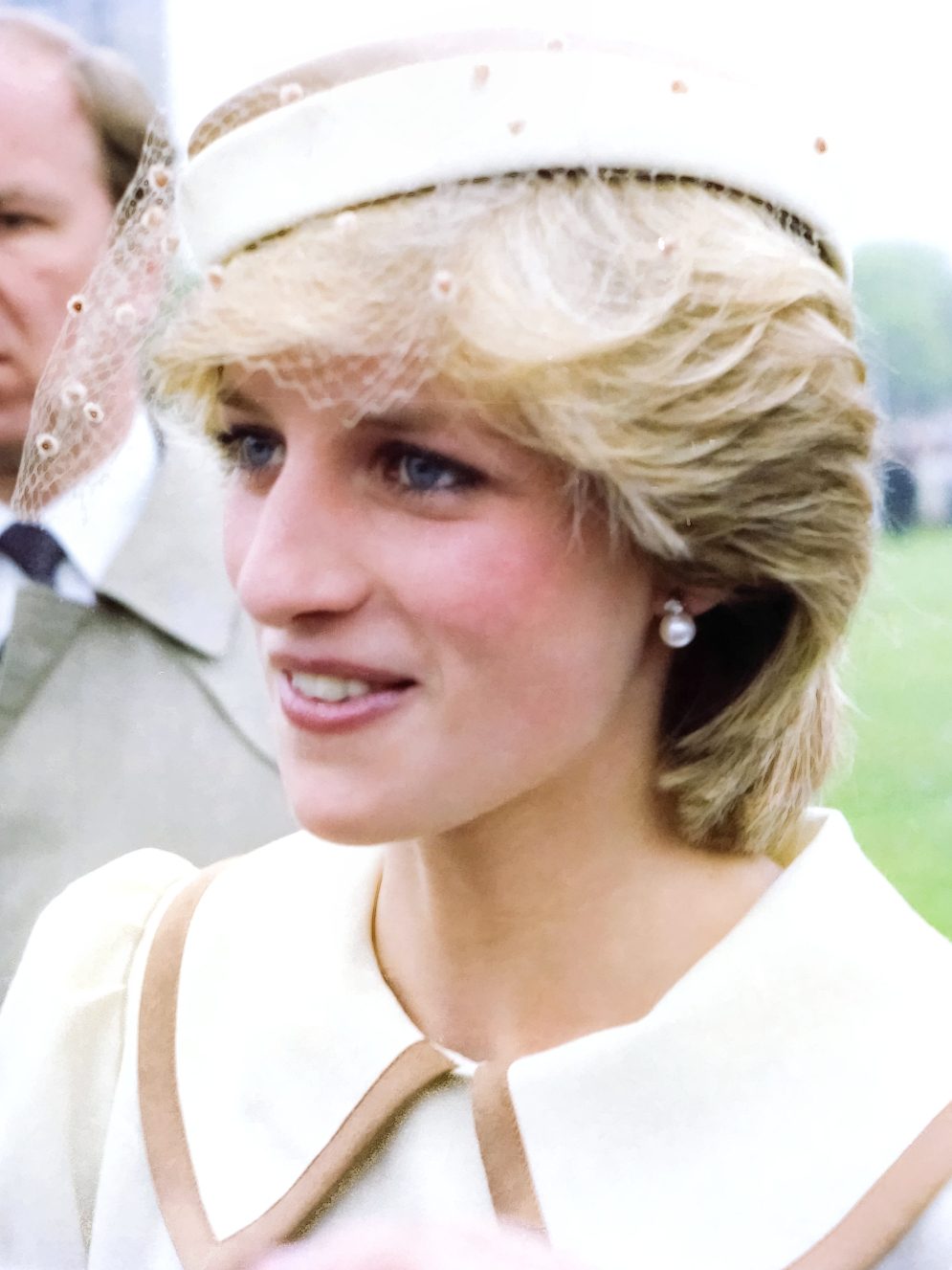
📷 Photo: Russ2009. CC BY-SA 2.0 via Wikimedia Commons.