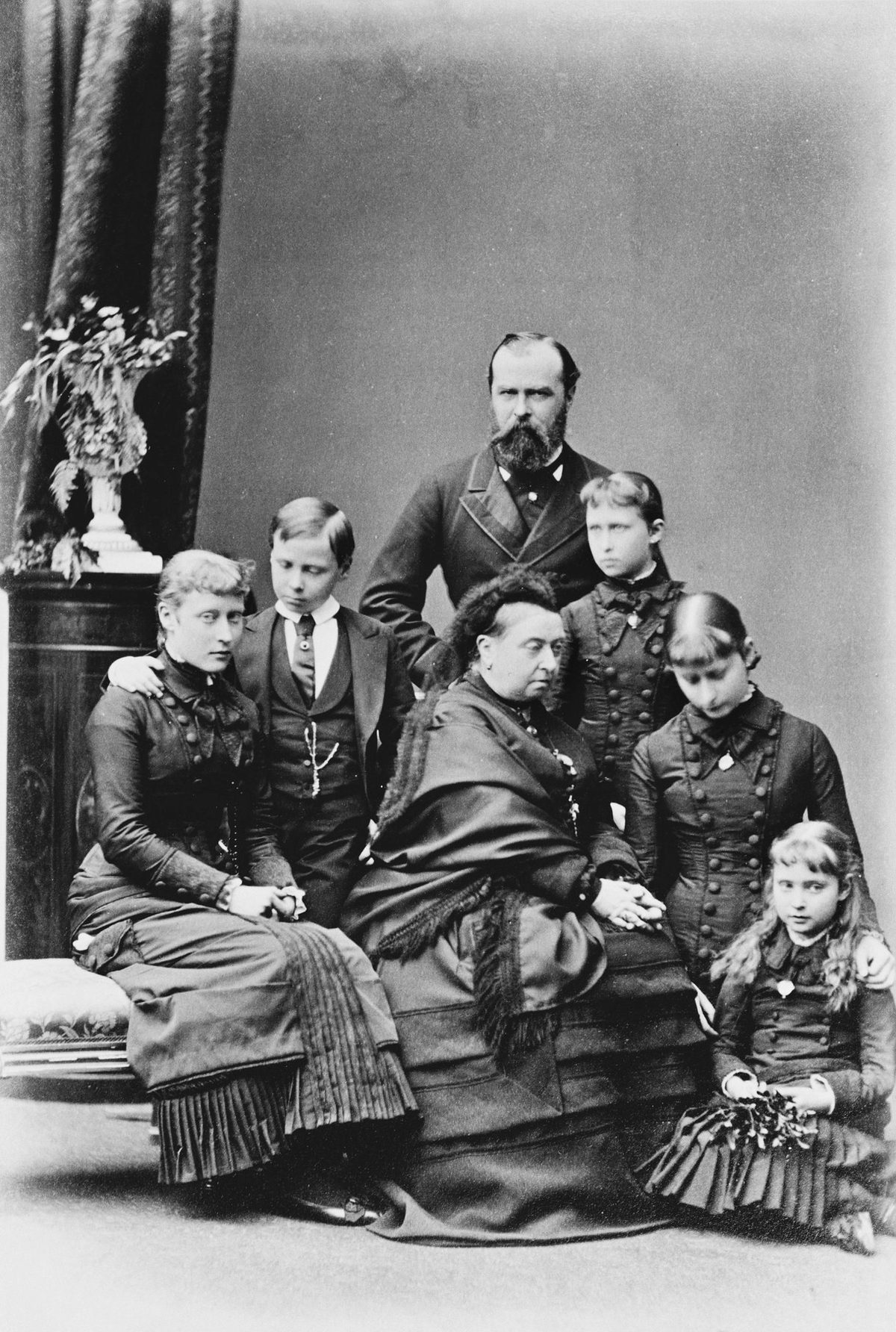
At the heart of Victorian England, amidst an era characterized by rapid social change, Queen Victoria stood as a steadfast symbol of continuity. Her reign witnessed the vast expansion of the British Empire and the blossoming of the Industrial Revolution. Yet, beneath the grandeur of her 50-year sovereignty was a woman of unyielding personal resilience. In 1887, during her Golden Jubilee, she exhibited this strength in a most symbolic fashion — by donning the very crown her doctors advised against. It is a tale woven with intrigue, royal defiance, and an unshakable commitment to duty.
Victoria's Indomitable Spirit
Queen Victoria, often remembered as the symbolic matriarch of an empire upon which the sun never set, possessed a willpower as formidable as the realms she governed. By 1887, at the age of 68, her life was shaded by personal sorrow and failing health. Since the death of her beloved Prince Albert in 1861, Victoria had retreated into a deep, enduring mourning, emerging only as necessity demanded.
Her doctors, aware of the toll the years had taken on her health, were justifiably concerned about the stamina required for her Golden Jubilee celebrations. They counselled her to forgo the ceremonial crown, predicting that its weight and the demands of standing en regalia might exacerbate her pain and exhaustion. This advice, despite its well-meaning intentions, underestimated the resolute nature of the Queen.
The Jubilee Gown and Crown
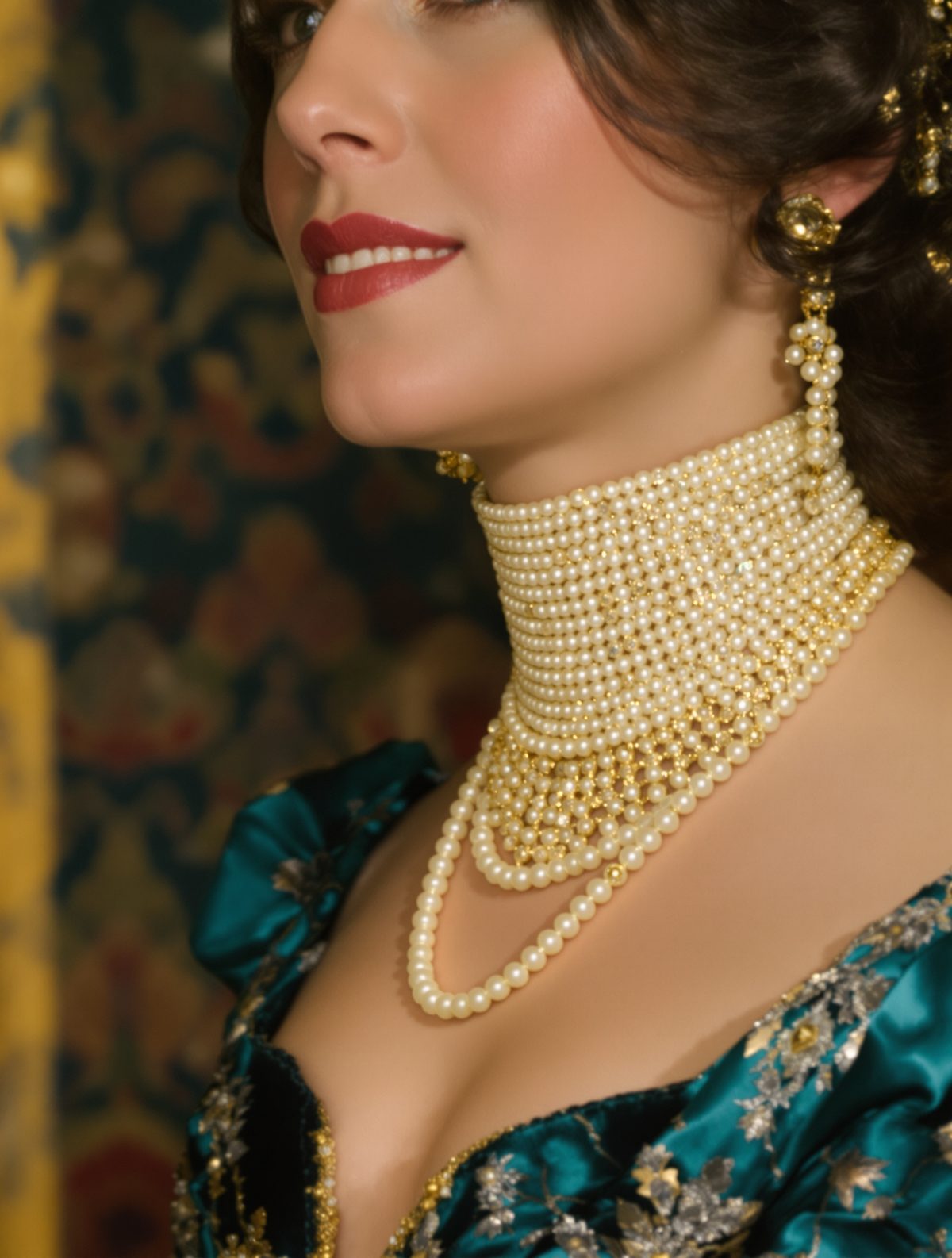
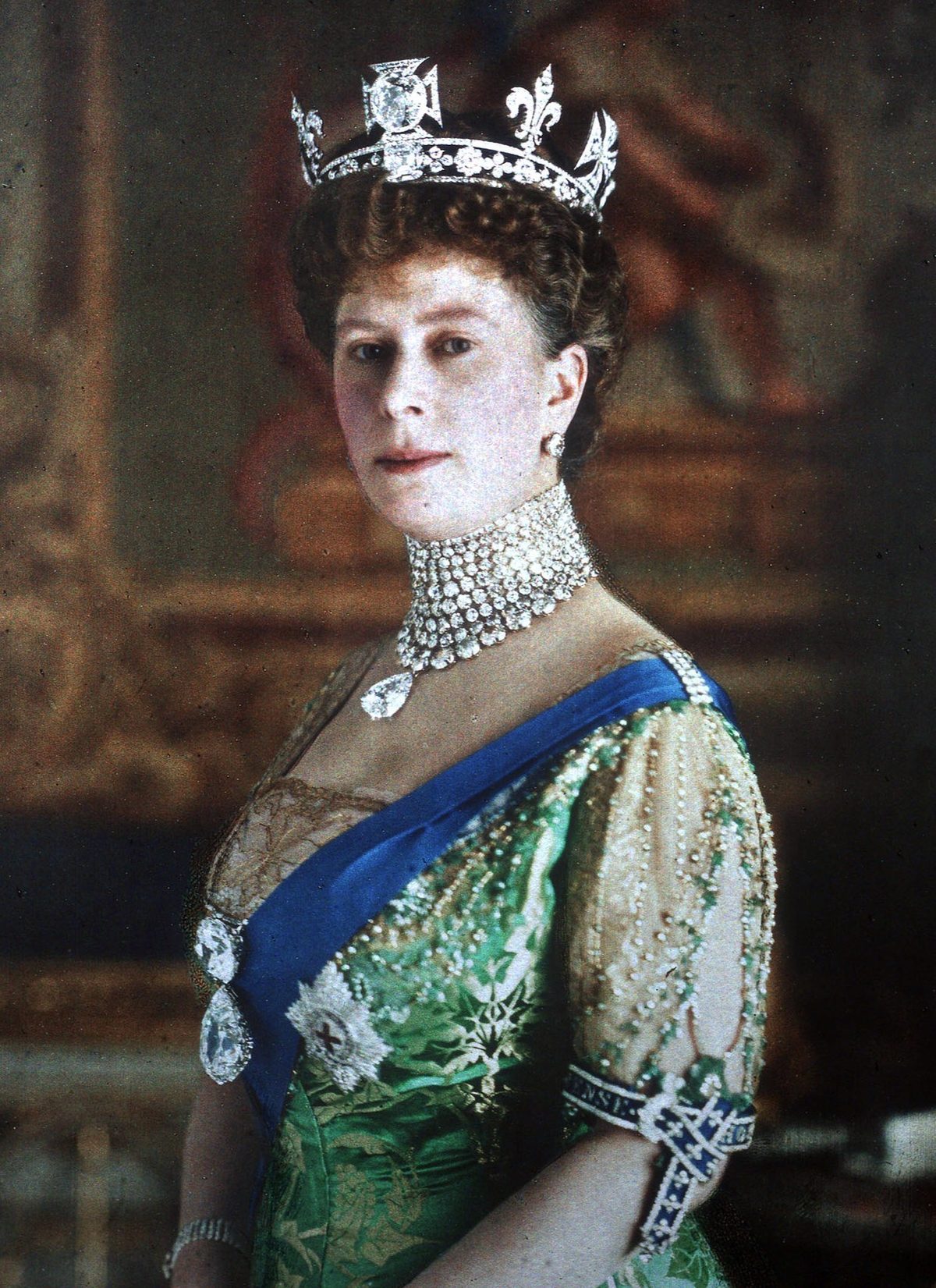
Queen Victoria's celebration of half a century on the throne was more than mere pomp; it was a reaffirmation of her role and status. For this historic milestone, she chose to wear a gown that was both an artistic masterpiece and a symbol of her enduring legacy. The gown, crafted with exquisite detail, was designed in the distinguished colors of the British Empire, replete with gold and silver accents.
Completing her regalia was the crown itself — a brilliant but daunting symbol of her monarchy. While her doctors’ concerns could easily have swayed a less determined spirit, Victoria’s decision to wear the crown spoke volumes. It was a silent declaration that she remained every inch the Queen her subjects expected her to be. Her choice to uphold tradition, despite personal discomfort, reflected the age-old adage: “The show must go on.”
A Momentous Celebration
The Golden Jubilee on June 21, 1887, was a celebration like no other, drawing various members of royalty and dignitaries from all corners of the globe. Tens of thousands gathered, their excitement palpable in the warm summer air. Queen Victoria, resplendent on her throne at Westminster Abbey, was as much an emblem of continuity as the ancient stones surrounding her.
“It was nothing short of a miracle that she remained so unflinchingly regal,” observed a contemporary nobleman, most likely echoing the thoughts of many who witnessed the spectacle.
The ceremony itself was a seamless blend of pageantry and profound national pride. For over the span of an hour, Queen Victoria stood beneath the weight of not just her crown, but the decades of rulership and responsibility. Yet, she smiled through it all, an embodiment of quiet triumph.
The Royal Court and Its Hidden Stories
Behind the scenes of the grandeur lay a court that was accustomed to adapting to its Queen's singular ways. Victoria's famously reclusive nature post-Albert’s demise meant that her close advisors and family took on burdens of both personal and political counseling.
On the day of the Jubilee, courtiers played an intricate role in orchestrating the day’s events, ensuring that the exuberance and opulence of the celebration adhered to the Queen's precise instructions while respecting her health concerns. It was a testament to the loyalty and veneration she commanded from her inner circle. The Jubilee was not just a marker of her reign but also a statement of the enduring loyalty of those who served under her.
A Symbol of Unyielding Duty
Queen Victoria's decision to wear her crown and regalia during the Golden Jubilee was more than an act of personal defiance. It symbolized her unyielding sense of duty to her country and her unwavering resolve to uphold the traditions and responsibilities of the monarchy — even at great personal cost.
In today’s world, where discussions about the relevance and role of monarchy persist, the story of Victoria's Golden Jubilee serves as a poignant reminder of the dedication and resilience that have sometimes marked the institution. Her actions on that summer day in 1887 reflect a timeless truth: that true leadership involves sacrifice and steadfast commitment to those one serves.
Queen Victoria’s jubilee crown was not just metal and jewels; it was an emblem of her reign’s trials and triumphs. To her loyal subjects and indeed the world, her steadfast bearing that day reaffirmed the monarchy’s enduring place in British life and history.
In the annals of royal history and heritage, the image of Queen Victoria, once perceived as a remote and mourning widow, is thus reshaped into a portrait of enduring strength, forever gilded by a Golden Jubilee that captured the spirit of an era.
📷 Photo: William & Daniel Downey. Public domain via Wikimedia Commons.