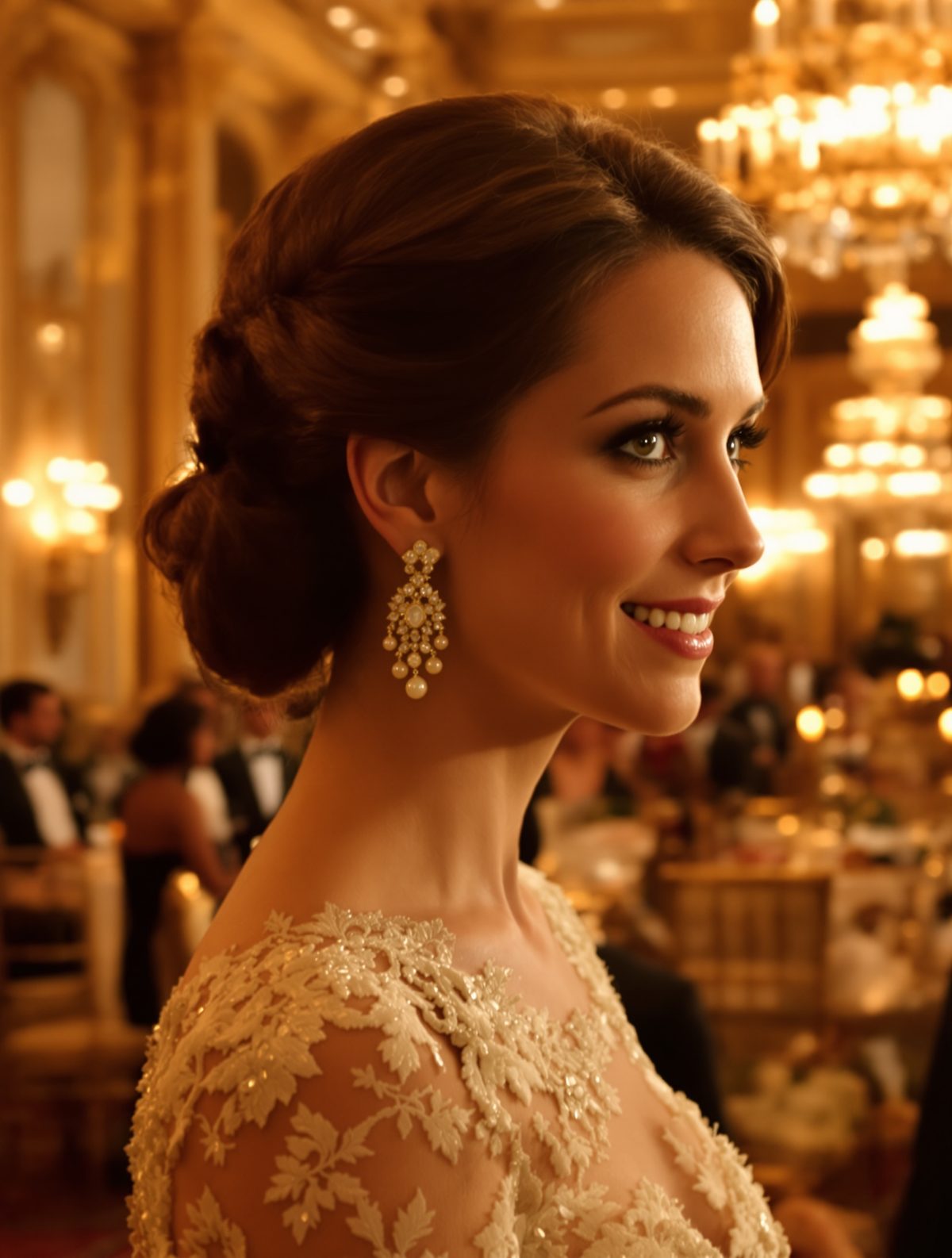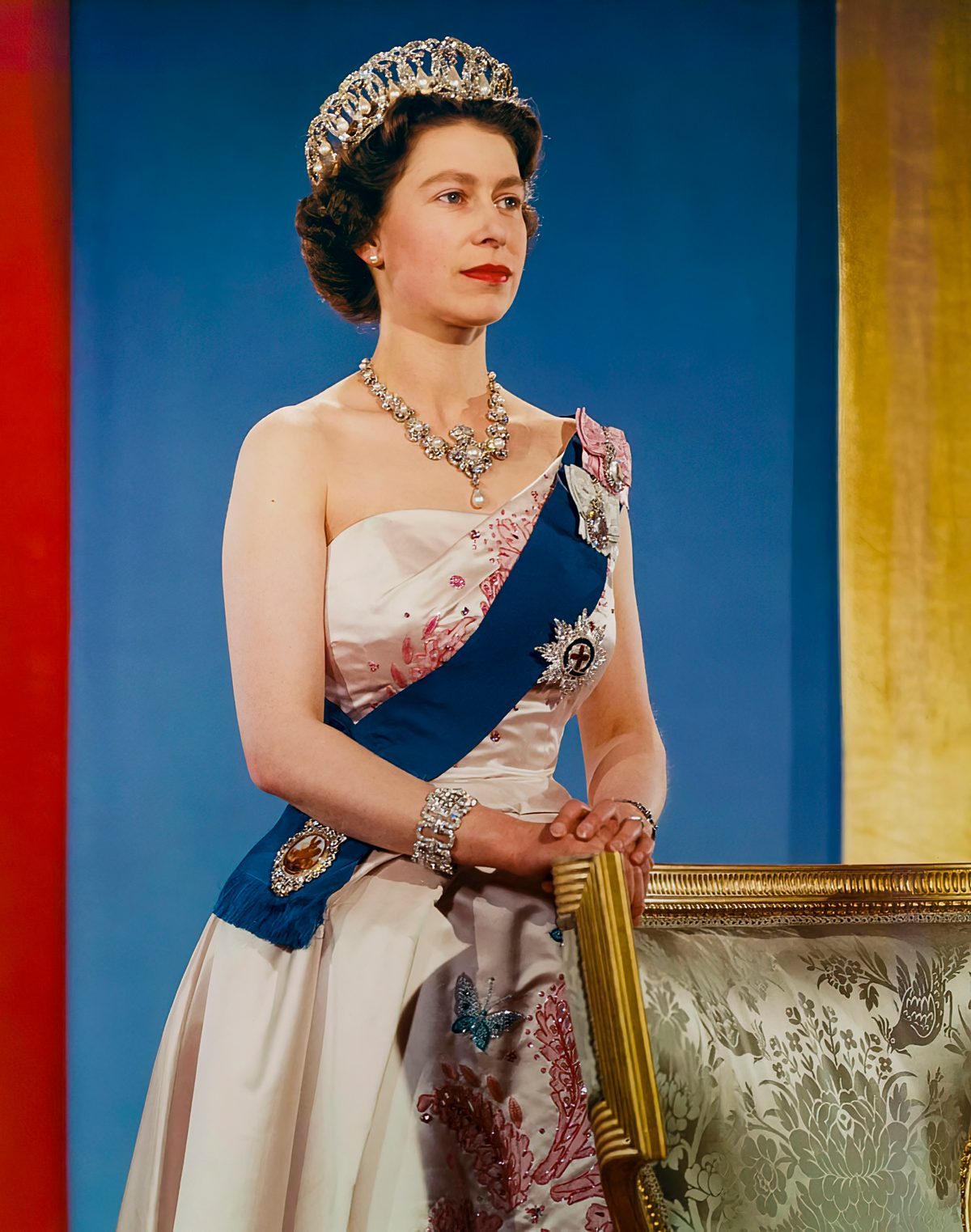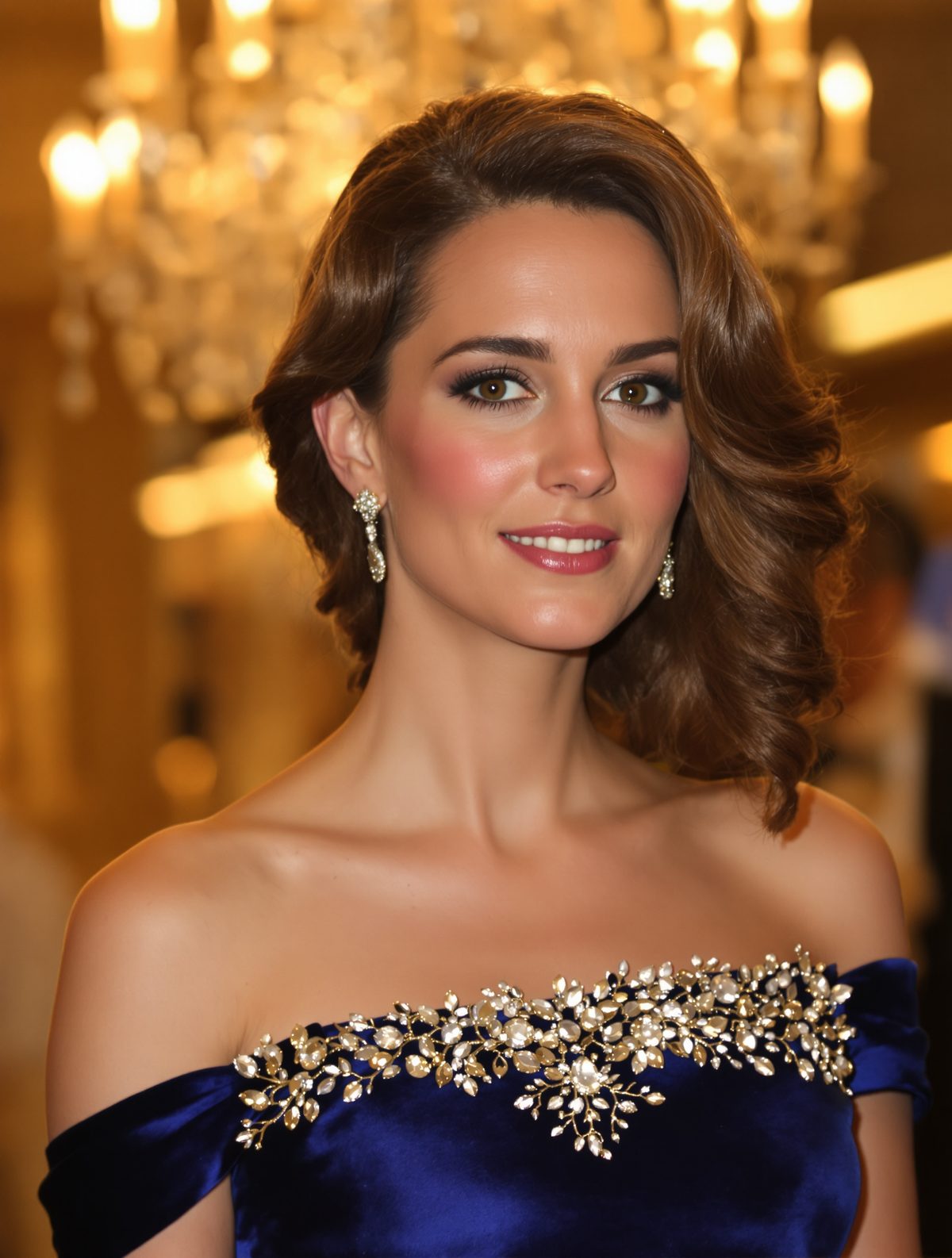
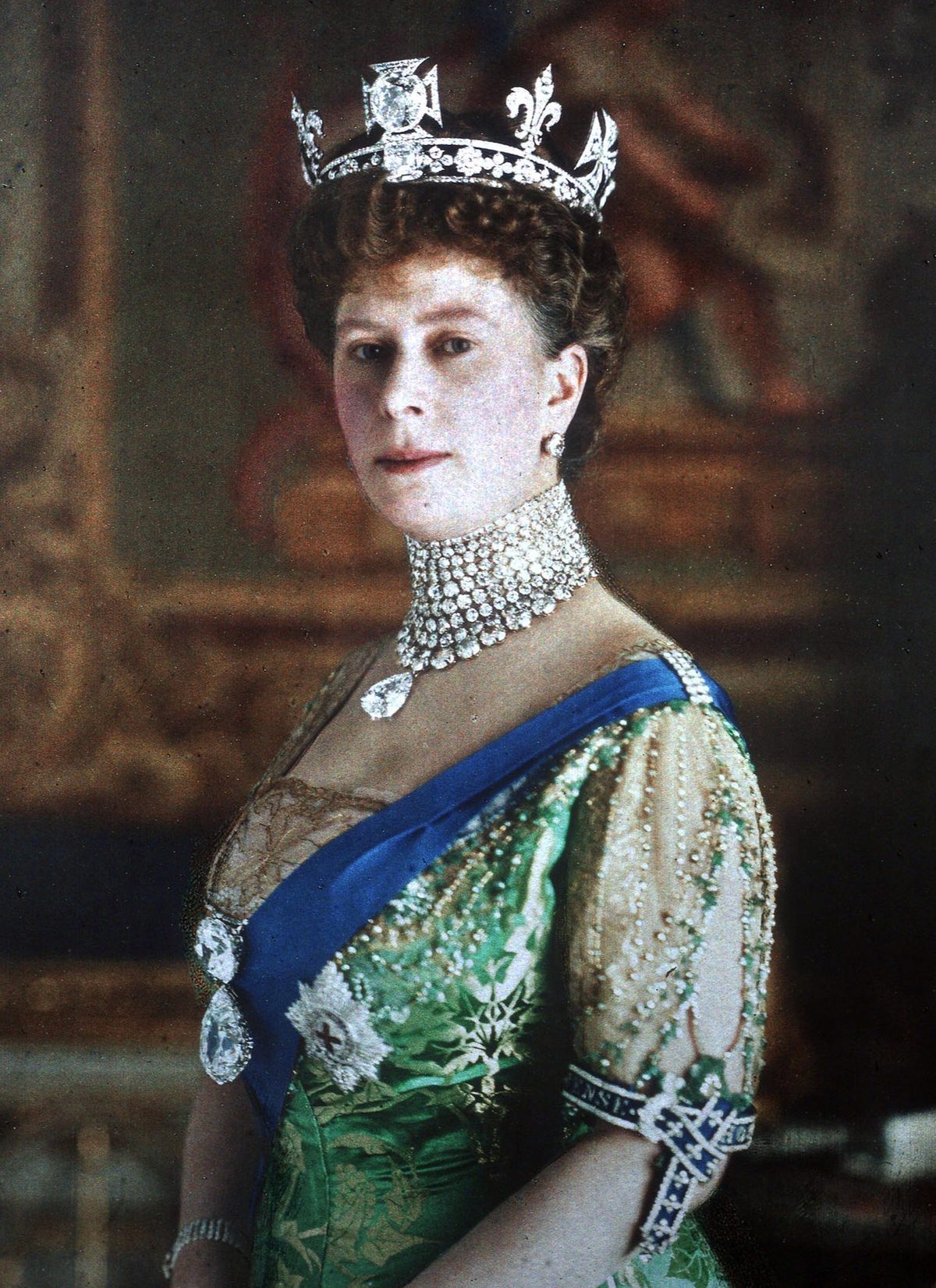
On a brisk June morning in 1911, as the British capital prepared for a coronation that would etch a monarch into the annals of history, another royal figure was about to make a debut of her own. As Westminster Abbey filled to the rafters with dukes and duchesses, prime ministers and potentates, all eyes turned to the grand entrance where a regal figure glided with quiet majesty. Queen Mary, in her dazzling ice-blue satin gown embroidered with silver thread and delicate seed pearls, caught the light, casting an ethereal glow that silenced the murmurs. Amidst the glorious pomp and tradition, in that divine moment, Britain discovered not just its king, but its queen.
A Coronation to Remember
The coronation of King George V was a spectacle of imperial grandeur, a defining event of the early 20th century. With subjects from across the British Empire, representing different colonies and dominions, the proceedings were a vivid reminder of the breadth and influence of the monarchy. Steeped in history, Westminster Abbey provided the perfect backdrop for a ceremony that was as much about continuity as it was about the promise of a new reign. Yet, within this grand tapestry, Queen Mary quietly wove her own narrative of elegance and influence.
Queen Mary, born Victoria Mary of Teck, was no stranger to royal ceremonies, yet this coronation presented her most public foray into the heart of the monarchy's power. Her choice to wear an ice-blue gown was forward-thinking and innovative in a time when royal ceremonies were dominated by traditional colors and styles. This decision reflected her commitment to both duty and personal flair, hinting at the modernizing influence she would bring to her role.
The Creation of the Iconic Gown
The gown itself was a masterpiece of design and craftsmanship, symbolizing not only the grandeur of the occasion but also the personal tastes of a woman who understood the power of presentation. Made from sumptuous satin, the ice-blue hue was at once both bold and subtle, standing out amidst a sea of predictable choices. The gown was lavished with intricate embroidery of silver thread, shimmering and catching the eye, while the seed pearls added a rich depth to the fabric that bespoke understated luxury.
London’s finest couturiers were summoned for this task, working tirelessly to create a garment that would convey both the solemnity and the celebration of the day. It was not merely a dress but a statement, infused with symbolism and intention. Though photographs of the day exist, they can hardly do justice to the gown's true splendor—the delicate interplay of light and fabric that seemed almost otherworldly in the hallowed halls of the Abbey.
A Personal Expression of Influence
For Queen Mary, fashion was no mere act of vanity; it was an extension of the values she held dear. By choosing the ice-blue gown, she demonstrated an understanding of the visual narrative—the ability to convey ideas and sentiments through attire. This gown was a testament to her innate sense of style and a harbinger of her influence over the burgeoning Royal Collection, to which she contributed extensively during her lifetime.
In stepping into the role of queen, she brought with her a refined dignity that would shape not only her reign but the future aesthetic of the monarchy itself. As the life partner of King George V, her attire symbolized stability and continuity in a rapidly changing world. Her foresight in fashion choices subtly prepared the crown for the modern age, bridging Victorian pomp with winds of change that would later sweep through Europe.
The Lasting Impact on Royal Fashion
Queen Mary's gown became an enduring symbol of royal elegance, influencing the generations of royal fashion that followed. Future queens and princesses have often been inspired by her ability to blend tradition with a modern touch. Whether through the use of color or the choice of ornamentation, echoes of her influence can be seen in major royal events, such as the coronation gowns of those who followed her.
Through her love of jewelry and textiles, Queen Mary left an indelible mark on royal wardrobes, with pieces like the famed Delhi Durbar Tiara continuing to capture the imagination of royal enthusiasts. She has been credited with cementing the idea of the British monarch as a symbol of both long-standing tradition and the constant evolution necessary to remain relevant in a modern world.
The Queen's Legacy Beyond Fashion
More than a century has passed since Queen Mary first wore her ice-blue gown, and yet her impact resonates far beyond fashion. Her story is one of transformation—from the young Victoria Mary of Teck to one of the most respected queens in British history. Her life exemplifies service, dedication, and the subtle but profound influence of the consort.
Today, as the British monarchy balances tradition with modern expectations, Queen Mary's legacy of grace, poise, and quietly powerful presence remains relevant. Her ability to craft a role that widened the scope of a queen consort's influence offers lessons not just for her descendants, but for anyone interested in the intersection of history, fashion, and personal expression.
Beneath the weighty crown, Queen Mary showed us that the true essence of royalty lies not just in lineage, but in the ability to adapt, inspire, and innovate—lessons that continue to hold value in our contemporary world. As we reflect on the events at Westminster Abbey that summer day, we are reminded of the power of personal expression and the enduring impact of one woman’s choices on the legacy of the British monarchy.
📷 Photo: Jean Desboutin. Public domain via Wikimedia Commons.