The King Who Wore a Dead Man's Ring to His Coronation
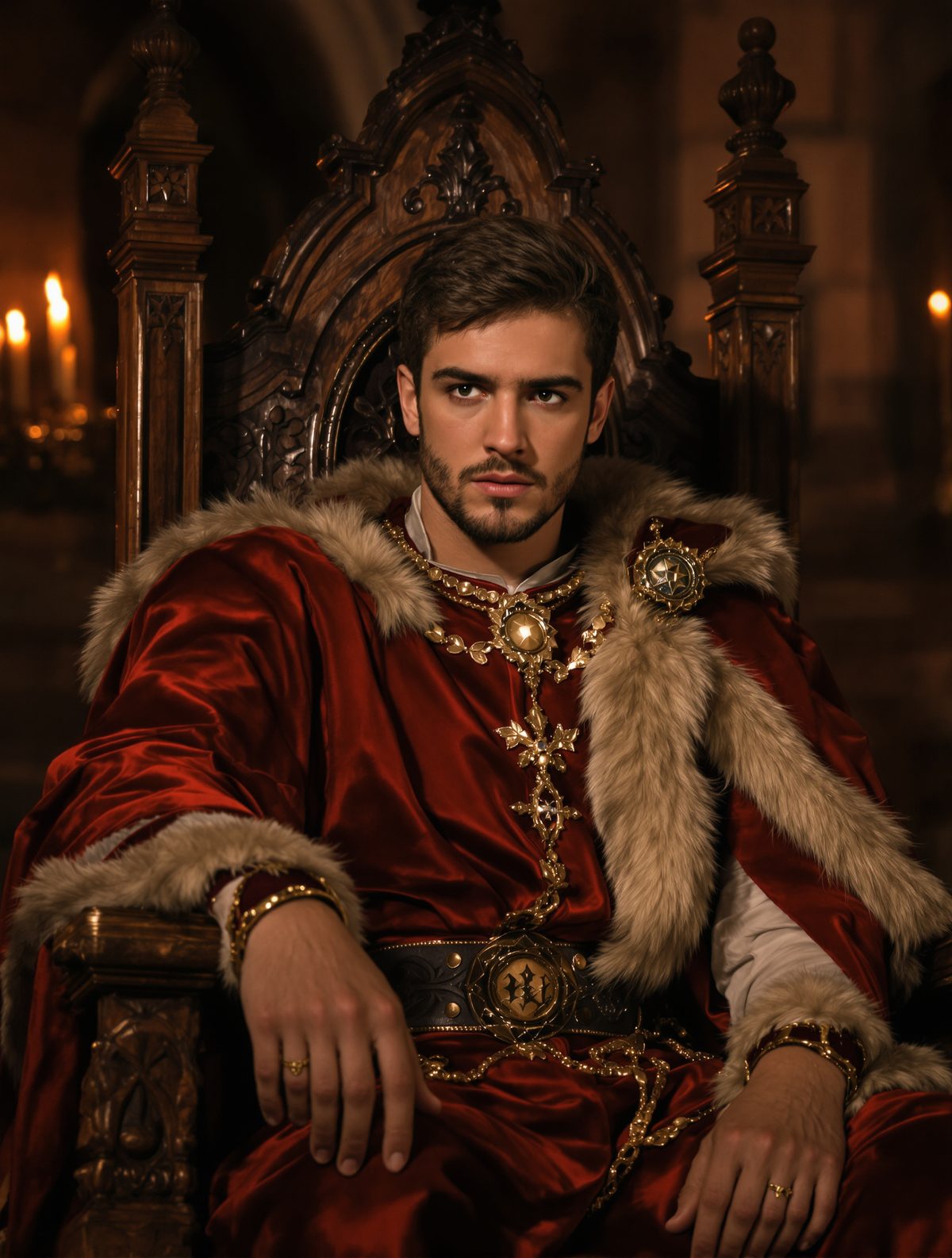
In the golden light of a spring morning enveloping Westminster Abbey in April 1461, a defining moment was set to unfold—not with the brazen clang of a sword or the stirring chorus of jubilant shouts, but through a simple, solemn gesture. Young Edward IV, only nineteen and newly crowned, slipped a ring onto his finger. This ring, however, was not a piece of royal regalia particularly crafted for his coronation. It was a personal token, a familial bond forged in the fires of loyalty and loss, belonging to his late father, Richard, Duke of York. As Edward slipped that ring on before stepping onto the world stage, he carried with him a silent vow to honor his father’s legacy through the tumultuous corridors of power and history.
The King Who Rose from the Ashes
Edward IV ascended the throne under towering waves of tumult and transformation. The 15th century was an era of strife and intrigue for England, marked predominantly by the Wars of the Roses—a series of dynastic conflicts that pitted the houses of Lancaster and York against each other in a tug-of-war of blood and loyalty. Richard, Duke of York, had played a central role in this saga, laying claims to a crown within his reach but ultimately finding defeat and death on the battlefield, leaving behind a legacy that haunted and fueled his heirs.
When Edward claimed the throne, England stood at a crossroads of uncertainty and hope. As young monarchs are wont to do, he brought a fresh tide of resolve and vigor. Yet, what set Edward apart was not merely his regal lineage but the heavy shadow of his father's ambitions and demise. Though his formal crown awaited him at Westminster, the only coronation Edward fully embraced was the one engraved in memory and love—a ring worn by a dead father, promising loyalty beyond the grave.
A Royal Art of Influence
Understanding the significance of Edward’s gesture requires an insight into the world of royal court influence and the symbolic gestures that spoke volumes—often louder than words or written decrees. The orbit of Edward IV’s court was a galaxy of noble titles, strategic alliances, and endless dance between power and prestige. As a king, Edward was not merely a ruler; he was a nucleus around which a realm of influence whirled.
Amongst the treasures of this realm, the ring became a steadfast symbol of unyielding resolve. It was not just a relic of personal affection, but a subtle pledge to the court and country, acknowledging the spirit of Richard alongside Edward's reign. During feasts, council meetings, and diplomatic parleys, the ring whispered stories of yore, its presence an acknowledging nod to history while guiding the future.
Heirlooms of Strength: Richard’s Ring
The ring of Richard of York carried more than its material worth. It absorbed the tenor of political fiascoes, familial loyalties, and memories of days both bleak and bright. The artistry of such a piece was less about silversmith craftsmanship and more about the endurance it embodied—a continuous link in a chain of noble purpose.
In keeping the ring ever-present on his finger, Edward exemplified the unbroken connections that serve as the lifeblood of the monarchy. Whereas others might clutch to the tangibility of treasures, Edward clasped rich emotion—an emotion men of iron wielded not with showy words, but with faithful actions. This act became a hallmark of Edward's reign, echoing the steady fortitude of the House of York through the challenges faced and victories earned.
Loyalty Etched in Gold… and Forever
A king's life is often one of multidimensional loyalties, with subjects seeking protection, nobles requiring guidance, and realms demanding justice. For Edward IV, loyalty was symphonic; each note resonated with the overtone of personal sacrifice. As he navigated the throne’s demands, he did so paying homage to the ideals his father personified, eternally bound not by decrees or documents, but by enduring love encapsulated in gold and memory.
Not once did he remove the ring during the course of his reign. It accompanied him through the triumphs and trials, a constant amidst a sea of change. The notion of such unfaltering consistency served as an anchor—even until his twilight years, whispering a legacy that transcended the vestiges of a wayward age.
Today, we look back at Edward IV’s reign through hues of admiration and intrigue, recognizing a king who, behind his sapphire-crowned head and ermine-clad stature, carried a heart weighted with personal vow. While stories of battles and territorial conquests often illuminate historical accounts, it is within these personal stories that true resonance lies—where metal and flesh embrace to form the unyielding ties of love, conviction, and honor.
As modern readers reflect on such tales of timeless devotion and resolve, we find echoes of these virtues in our own lives. The monarchy, viewed not just as an institution but as an unceasing passage of heritage and humanity, continues to offer rich tapestries of inspiration. Even amidst changing times, the enduring beauty of legacy, as exemplified by Edward IV's unforgettable choice, reminds us that leadership is as much about remembering the past as it is about forging the future. And sometimes, all it takes is the unyielding promise mirrored in the simple gleam of a father's cherished ring.