For half a century, one of Britain's most public figures kept a secret that had nothing to do with duty or protocol. Prince Philip painted. Quietly. Alone. Oils, watercolours, landscapes — tucked away from every eye. He almost never showed anyone. The ones who saw them said they were remarkable.
A Hidden Sanctuary
The notion of Prince Philip as a devoted painter might come as a surprise to many. Known for his stern demeanor, biting wit, and being the Queen's steadfast partner, few connect him with the delicate art of painting. Yet, in the cloistered corners of Buckingham Palace and later Windsor Castle, there existed a hidden sanctuary where the Duke of Edinburgh sought solace with brush and canvas. Free from courtly expectations, he immersed himself in the colors of oils and watercolours, nurturing a passion that was both introspective and surprisingly tender.
This quiet pursuit of art was Prince Philip’s personal rebellion against the constant demands of royal life. In an era defined by duty, his hidden studio was a sacred refuge, a place of solitude where he could express a part of himself not often seen by the public or even his closest companions. To him, painting was perhaps "the one thing that was truly his." It was here that the often public prince found a new language to express thoughts and emotions that words could not define.
The Artist Behind the Crown
Born in 1921, Philip Mountbatten, as he was then known, was thrust into the public eye at a young age. However, amid the pomp and circumstance of royal life, he maintained a private love for art. Those who were granted a rare glimpse into his world would find the prince surrounded by painting supplies, with canvases strewn about, capturing serene landscapes, charming still lifes, and sometimes, portrait studies of figures never publicly identified.
While formal exhibitions were never part of his plan, Prince Philip’s works were occasionally shared with family or close friends. Those fortunate enough to see his paintings often spoke of the remarkable sensitivity captured within the bold strokes. For someone known for his brusque personality, his paintings revealed a different facet—a thoughtful, observant artist with a profound appreciation for the subtleties of light, shadow, and nature.
A Private Pastime Amongst Public Service
To understand the duality of Prince Philip's life, one must consider the weight of his public duties juxtaposed with the serenity of his private artistic endeavors. Serving the British monarchy demanded on-call readiness, from state visits to ceremonial engagements. Every moment of leisure was hard-earned, with little room for respite.
Yet, amid these obligations, Prince Philip would retreat to his painting studio. Guards and attendants might have been expected at the ready in other aspects of his life, but when it came to his passion for painting, there was no audience. Not even Queen Elizabeth knew precisely when he would slip away. During state tours or royal engagements, Prince Philip often carried a small notebook for sketching, capturing scenes that would later flourish in color on canvas upon his return home.
The Impact of Art on the Royal Household
Throughout their marriage, Queen Elizabeth and Prince Philip maintained a deep bond, despite their different personalities and interests. Her Majesty was known to appreciate Philip’s art, acknowledging its pivotal role in maintaining his balance amidst the demands of royal life. The Duke’s paintings occasionally adorned private spaces within the royal residences, offering a glimpse into a side of him known only to the family.
His children and grandchildren, too, took inspiration from his creative pursuits. While Princess Anne and Prince Charles are noted publicly for their equestrian and ecological commitments, Prince Philip’s artistic influence found subtler ways to inspire the family’s diverse range of interests and talents. His paintings, much like his life, were a tapestry where public duty and personal passion were finely interwoven.
A Timeless Echo
Today, in a world where the lives of public figures are categorized, dissected, and often criticized with unrelenting scrutiny, Prince Philip’s hidden art stands as a testament to personal authenticity. For the Duke of Edinburgh, painting was a meditative practice—a reminder of individuality amidst collective expectation. His studio became a chamber of peace, allowing a man whose life was defined by duty to quietly assert his creative freedom.
The choice to keep such a passion secret further underscores Prince Philip’s profound understanding of private joy. In an age increasingly devoid of mystery, where every moment risks exposure, his legacy encourages us to cultivate quiet passions of our own. His story adds another thread to the rich tapestry of the British royal family, not as subjects of glorified spectacle but as individuals with unique and poignant human narratives. The brushstrokes of Prince Philip, concealed for decades, echo beyond the canvas—a hidden masterpiece that illuminates the lesser-known human side of the monarchy.
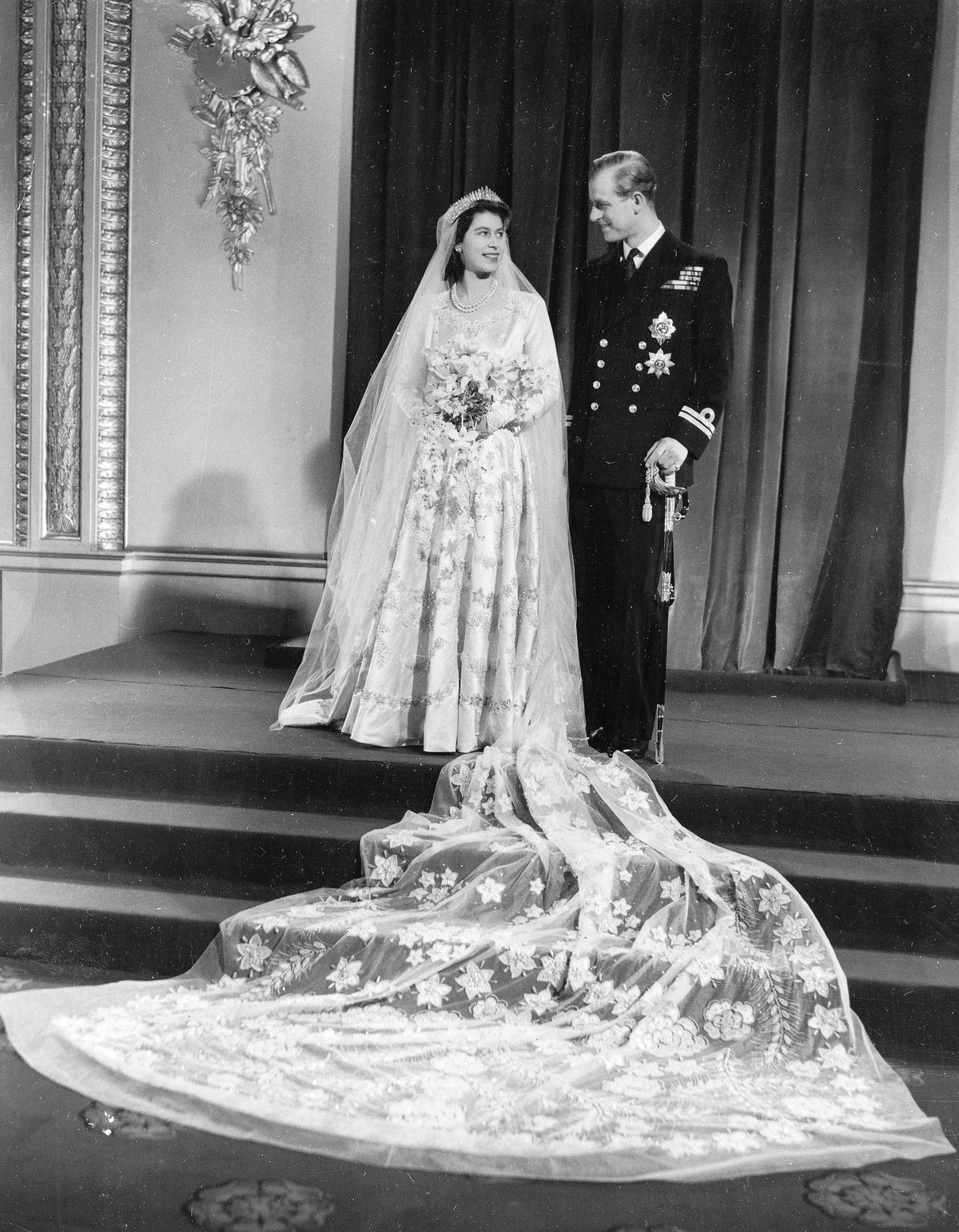
📷 Photo: Associated Press. Public domain via Wikimedia Commons.