The streets were still smoking when she arrived. Queen Mary, stoic and stalwart, moved through the devastation with a quiet dignity that belied the chaos around her. It was 1940, the heart of the Blitz, and London was under siege. Air raid sirens had wailed into the night, heralding waves of German bombers transforming neighborhood blocks into ghostly war zones. In the aftermath of one particularly brutal night, Queen Mary, then in her seventies, decided to embrace the risk and visit the ravaged hearts of her beloved city. Against all advice, she ventured into the ruins, carrying nothing but her resolve. What unfolded on that smoky morning became an indelible scene of grace and solace amid the wreckage.
A Queen Among the People
Born Mary of Teck, Queen Mary was no stranger to the ebb and flow of historical tides. Her life was shaped by momentous events, which endowed her with an unshakeable sense of duty and resilience. During the devastating Second World War, Queen Mary, mother to King George VI, chose not to remain cloistered behind palace walls. Instead, she reached out to her subjects, embodying the spirit of the British resolve to 'keep calm and carry on.'
Despite her status and advanced age, Queen Mary insisted on witnessing the impact of the nightly air raids firsthand. Her advisors fretted over her safety, yet she was immovable in her conviction that the monarchy should be visible, present, and humane during these darkest days. She donned practical clothing, a testament to her empathy, as she navigated through the smoky remains of London's streets, ensuring she was approachable and seen as one with her people.
Encounter in the Rubble
It was during one of these courageous excursions into the shredded tapestry of wartime London that Queen Mary's path crossed with that of a young mother. The woman stood on a bomb-cratered street, clutching her infant to her chest amidst the skeletal remains of what had been her home. Her face wore the grim mask of shock and despair, a portrait captured countless times during those dark days.
Without exchanging a single word, an understanding passed between the regal figure and the devastated mother. Queen Mary, moved by a deep well of compassion, extended her arms to the young woman. In an unspoken agreement, the mother surrendered her child to Queen Mary's embrace.
There, amidst the dust and debris, the Queen held the small, vulnerable life. As she cradled the child, whispers of strength and solace seemed to cross the silent air. The mother, unburdened for a moment, openly wept in her presence, finding an unexpected sanctuary in the Queen's empathetic gesture.
The Royal Court and the Blitz
Back at the royal court, Queen Mary's visits were just as symbolically significant as they were practically impactful. The monarchy, under the strain of war, had to adapt rapidly. Buckingham Palace was bombed, and the royal family chose to take refuge at Windsor Castle, yet they never seemed remote from their capital's struggles.
Queen Mary’s actions resonated deeply within the British public psyche. Her presence in the aftermath of bombing raids, patting the shoulders of the homeless, and showcasing that regal poise could stand against trepidation, played a profound part in uniting the country in common purpose. This closeness imbued the monarchy with a sense of intimacy that resonated with her subjects, reinforcing the bond between crown and citizenry.
A Moment That Endured
In those fleeting seconds where Queen Mary held the stranger's baby, the barriers of nobility dissolved, blending into a shared humanity. Such moments, poignant and powerful, spoke volumes more than words. They were the gentle undercurrents that contributed to the national morale — the belief that even amid war, the essential goodness of the human spirit endured.
The story of Queen Mary and the young mother did not make headlines at the time, and yet it became an enduring part of the whispered history that families shared. It exemplified a simple truth: compassion and leadership come in many forms, transcending titles and circumstances.
The Legacy of Regal Compassion
Today, these vignettes from royal history continue to resonate, reminding us of the monarchy's unique ability to foster unity and hope across generations. As we reflect on those that walked before us, we see how the ties born out of shared hardship can knit a nation ever tighter. Queen Mary's display of empathy in action provides a blueprint for leadership — a model of grace under fire.
Though technology and times have transformed, the essence of leadership and empathy remains as relevant today as it was then. The monarchy's enduring ability to serve as both a symbol of continuity and a source of comfort is evident in moments like the one crafted in 1940 London. They are reminders that, amid the rubble of any adversity, the human spirit and its capacity for compassion invariably shine through.
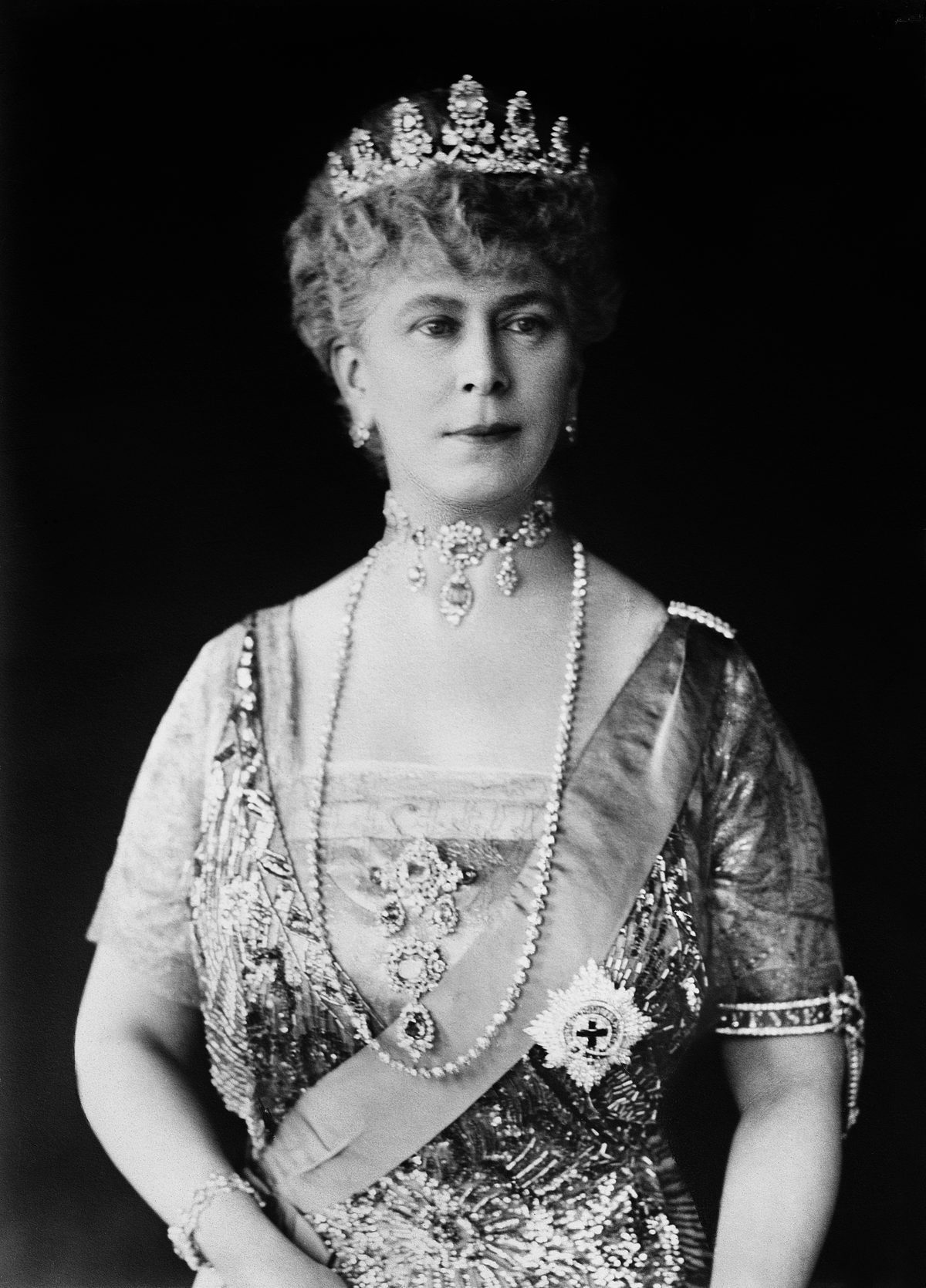
📷 Photo: Bain News Service; this edit (clean up, contrast & sharpness, slight crop and downsample) by mixpix 23:28, 5 January 2008 (UTC). Public domain via Wikimedia Commons.