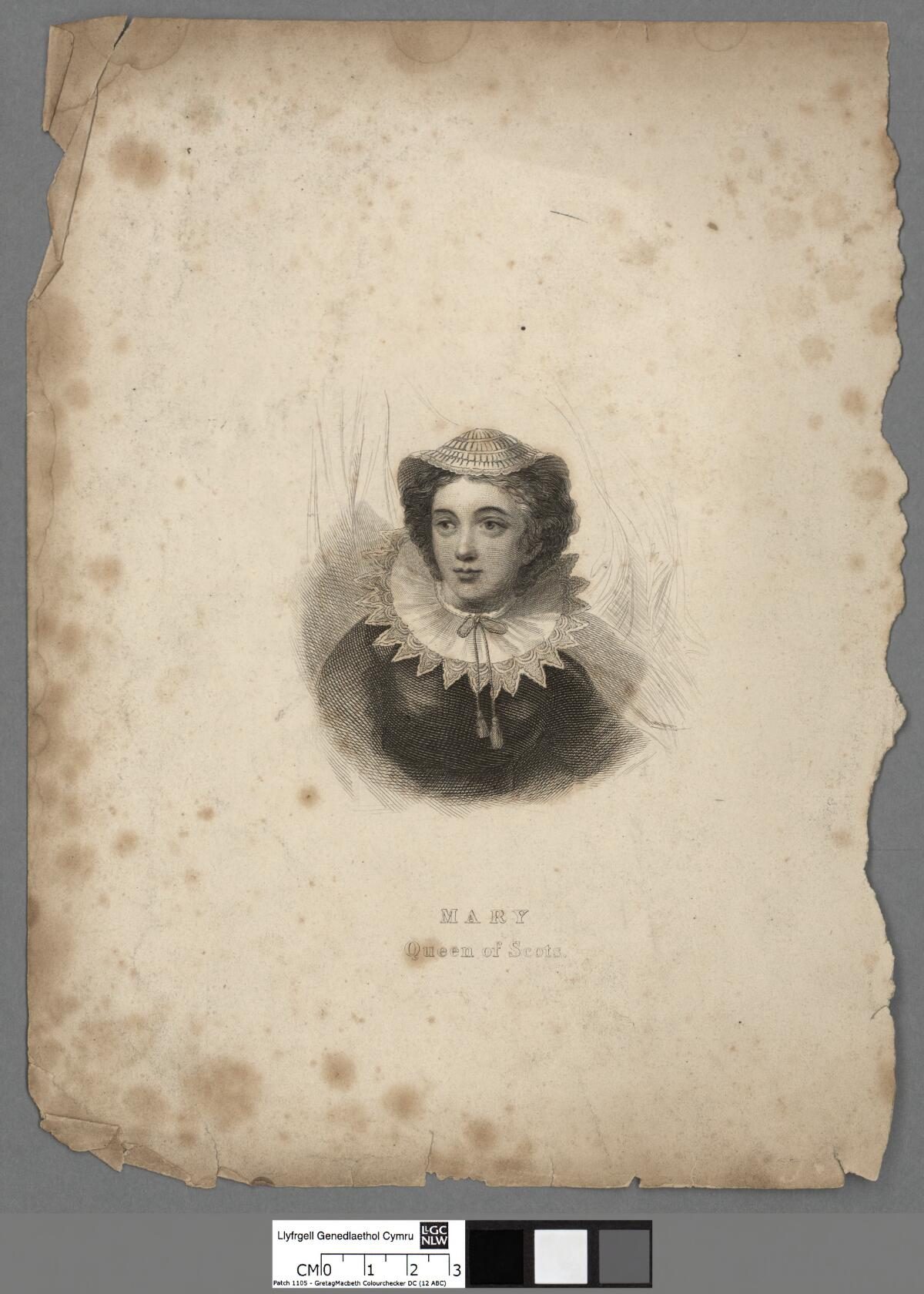
Mary Queen of Scots, a figure both shrouded in mystery and radiating with elegance, remains an icon of regal resilience. Yet, behind her famed grace lay a lifetime intertwined with relentless turmoil. On a singular evening in 1568, as the shadows of fate closed in, Mary found solace not in armor or allies, but in a simple game of chess. This night marked the eve of her final flight from Scotland, a poignant moment captured by those who stood in her presence, witnessing her calm and deliberate poise at the chessboard while her kingdom crumbled around her.
The Queen and Her Kingdom: A Complicated Reign
To understand the significance of that night, we must first traverse the intricate tapestry of Mary's life and reign. Born to sovereignty, Mary Stuart became queen shortly after birth, inheriting the thrones of Scotland and a contentious claim to the English crown. Her life was a medley of political maneuvering, matrimonial alliances, and fierce rivalries, all played against the fraught backdrop of 16th-century Europe.
Mary's marriage to the Dauphin of France, Francis II, was a temporary pinnacle of regal alliance, yet his untimely death returned her to Scotland, where her rule was both peculiar and perilous. Amid secret alliances and mounting opposition, her reign saw the deadly dance of religion and power — Catholic roots in a predominantly Protestant land added layers of complexity that colored every aspect of her queenship.
As turmoil and betrayal simmered into open conflict, the pivotal Battle of Langside sealed her fate. Foes transformed into victors, and allies dwindled. Yet, it was on the eve of her fall, amid dire uncertainty, that Mary displayed an inner fortitude most in accordance with the legacy of her royal bearing.
The Chessboard as Sanctuary
As night drew near on that fateful evening of May 13, 1568, whispers of defeat surrounded Mary in her secluded refuge. The spiritual weight of her decisions hung heavily, and yet she chose to engage in a game of chess — a choice more symbolic than spontaneous. Those present noted a serene composure about her, an elegant resolve that belied the chaos beyond the walls of her temporary sanctuary.
Chess, with its strategic demands and intoxicating complexity, was no mere pastime. For Mary, it was a testament to her regal discipline — an artful escape into stillness and thought where the stakes were only measured on a board of black and white squares. Here was a queen who understood the metaphors of war and calm reflected in each move, who saw in the lined-up pawns the echoes of her own life’s strategy — complex, fraught with jeopardy, unfolding under the specter of inevitable endgame.
Mary played not to win that night, but to steady the tempest of her mind, to tether her spirit amidst the torrent of an irreversible destiny.
The Royal Court and the Silent Witnesses
Mary's circle, composed of loyal nobles and trusted confidants, bore witness to their sovereign's ethereal grace beneath the burden of imminent exile. Her board partners included members of her intimate retinue, each acutely aware of the gravity of the moment, each playing their parts in the solemn tableau of a kingdom’s passing.
The court around Mary mirrored the diverse fabric of 16th-century Scotland — a blend of ambitious noble bloodlines, espionage, and the untold loyalty of those who believed in and supported her claim to the English throne. Their loyalty was perhaps most evident in that silent room, where their sovereign sat with steady hands and a tranquil composure that spoke louder than any words exchanged in the hushed quarters of Dunbarton.
The chess match gained scarce mention in exact records, yet its significance echoes through time as a symbol of an extraordinary grace under duress, an aspect of Mary’s legend interwoven with the enduring power of the Scottish crown she personified.
The Flight from Scotland: A Monarch Resilient
When dawn broke, Mary was compelled to leave the land that both adored and rebuffed her. She rode towards England, seeking asylum from her cousin, Elizabeth I — a decision that would seal her tragic fate. Mary's flight transformed her from reigning monarch to ensnared captive, setting in motion years of imprisonment and intrigue that shadowed the remainder of her life.
Yet, even when the game of power shifted into a harsh reality, her faith and dignity persevered. The losing game of chess became a metaphor for the loss of her crown, but never the loss of her composure or commitment to her claims. Her legacy endures as a resolute emblem of queenly majesty.
Chess, Royalty, and the Modern Mind
In Mary's chess game with fate, we glimpse not merely a monarch's resolve but a profound human narrative — the pursuit of tranquility amid turmoil, the strategic exercise of agency within the confines of duty. In today’s world, her story resonates beyond its epoch, reflecting the timeless art of regal resilience and poised determination.
The enduring allure of Mary Queen of Scots lies within the dual continuity of her nobility — a call to history's admirers who cherish the poignant dance of regal sovereignty, with its triumphs and tragedies, as much then as now.
📷 Photo: Unknown authorUnknown author. Public domain via Wikimedia Commons.